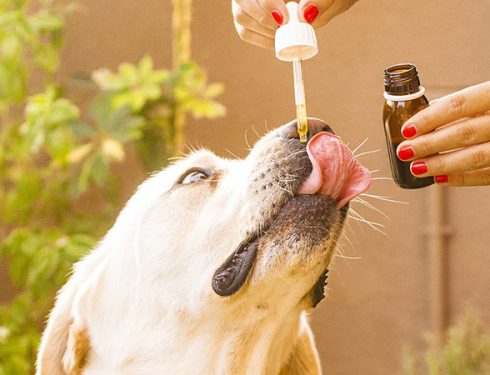
Mange is a highly contagious skin condition caused by an infestation of mites. Mange can affect wild animals, domestic animals and sometimes even humans. There are a number of different types of mange, and depending on the severity, can lead to serious illness and death.
Canine mange comes from the French word “mangier”, which means “to eat”. Mites cause skin lesions, itching and hair loss. Mange can often be misdiagnosed for an allergy or other skin reaction. However, not all itching means your dog has mange.
It is important to understand how your dog could have contracted mange and other symptoms to look for along with excessive itching. If you suspect your dog may have mange, you should take him to the veterinarian right away to avoid serious infestation and illness.
Symptoms of Mange
Most times your dog’s symptoms will include hair loss, itching, irritation and scabs on the skin. More uncommon symptoms will include scale formations and hardening of the skin. Your dog may also suffer from a fever, lethargy and weight loss. If left untreated, the skin will eventually become leathery and brittle, and may break off in small pieces. Untreated mange can even lead to depression and aggression as well as other behavioral problems.
Mange is usually found on the ears, elbows, thighs, under the chest and on the face.
Mange is caused by a variety of mites. Mites are referred to as a parasite because they feed off their host. Most dogs contract mites from an infested area or from other infected animals. Mites can become very serious if left untreated, and certain types can easily get out of control if left alone for too long.
There is a significant difference between unclean, scruffy fur and fur that is plagued with mange. Unfortunately, mange usually does not cure itself. It is important to know what to look for when dealing with mange in order to treat it right away.
Types of Mange
Sarcoptic Scabies: Scabies is another name for mange. This form of mange causes dogs to itch and scratch themselves to the point of self injury. Sarcoptic scabies can lead to red bumps on the skin surrounded by crust and thick skin. Other symptoms of Sarcoptic scabies include swollen lymph nodes, weight loss and lethargy.
Demodectic (Red Mange): This condition occurs when a dog has an underdeveloped or weak immune system. Mites may produce more rapidly if the dog is under stress or is malnourished. The symptoms worsen depending on the condition of the immune system and the amount of mites on the skin. Red mange symptoms include hair loss and itching, and is usually on various areas of the dog.
Cheyletiellosis: Symptoms are most noticeable on the back and include red, hairless and patchy areas on the skin. Excessive itching will cause scaling and flaking of the skin. Treatment of Cheyletiellosis usually depends on the overall hygiene of the dog.
Trombiculiasis: This condition is very common in range dogs. Skin irritations including rashes or red patchy areas are the only symptoms noticeable in Trombiculiasis.
Ododectic Mange: This form of mange is found on the head and in and around the ears. Redness and itching along with head shaking are the most common symptoms in ododectic mange. These ear mites are often mistaken for ear infections.
Treatment Options
If you suspect your dog has mange, it is very important to contact your veterinarian immediately to begin a treatment plan specifically designed for your dog’s infection. Treating mange can be a difficult task, as missing one small dosage of medication or the incompletion of treatment may lead to a re-infestation very quickly.
It is also important to note that any animal that has come in contact with an infected dog must also be treated for mange, even if no symptoms are present. Regular house cleaning and grooming can help prevent mange and help to control infestations. If you have an outdoor dog or frequently visit the dog parks, be sure to check your dog for symptoms of mange regularly.
For more information about dog mange, a list of possible causes, symptoms to look out for as well as treatment options and home remedies to ease pain, inflammation and further infection, visit www.dogmangehelp.com


alt="Ottawa Dog of the Week"/>


1 User Responded in " What Is Dog Mange? "
DoggieDocs is a fun site where you can find everything about dogs… and some for the owners too!
Leave A Reply Here