posted in 13 Apr, 2010 by Guest Writer, Dianne Sarasin from Bark Busters Ottawa
With spring in the air, a lot of people are considering moving to a new home. Be sure to think of your pet along this process to make sure they don’t get lost in the shuffle.
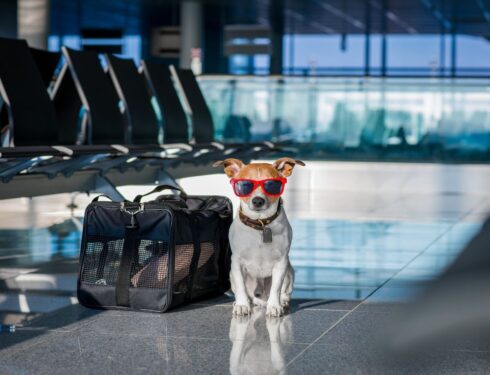
At moving time, give the dog a chance to relieve bowels and bladder in a safe area on leash. Then put the dog in the crate in a quiet place with a nice treat while people are bustling around moving the household goods. Use the crate and the leash to keep your dog safe from becoming lost along the way.
When you arrive at your destination, open the carrier as soon as you are in a safe place and examine your dog. Spend some time playing with your dog and reassure him that everything is okay and this is now his new home. Provide a treat or a new toy so that your dog will associate the new place with fun
Set up your dog’s belongings so that he will immediately recognize the familiar items. With familiar furniture including his bed, crate, toys and food and water bowls. Your dog should be able to settle quickly into his new home. Allow your dog to explore his new home and familiarize himself with the new sights and smells.
Make sure that all doors, windows, and fences are secured so your dog will not accidentally wander away. Give the dog plenty of opportunity to do this, but supervise so the dog won’t get into trouble in the process. For times you are not able to supervise the dog, it’s usually best to give the dog the freedom of the new place in stages, starting with just one or a few rooms, and adding more as the dog becomes settled.
Remove the old ID tag from your dog’s collar and make sure the new ID is secured on his collar. Try to maintain your pet’s normal routine as you unpack. Try not to disturb the location you have chosen for your dog. Having a secure place to go to is important for your dog in an unfamiliar place.
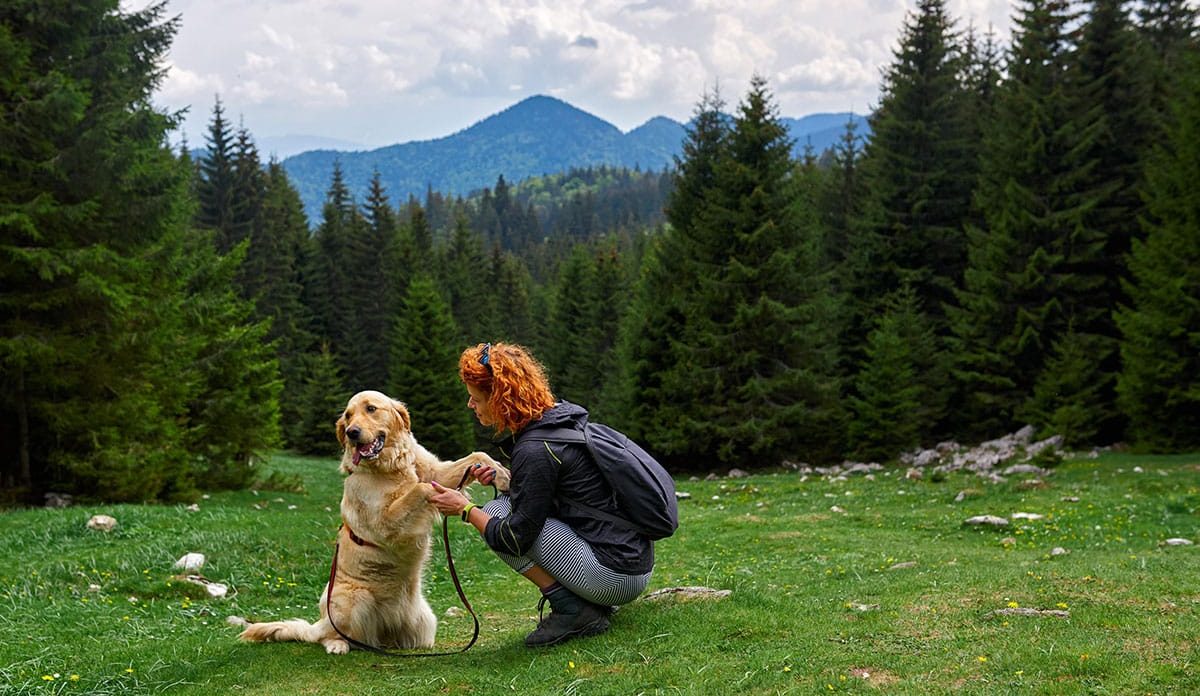
Taking your dog out for a walk around the new neighborhood will also acquaint him to his new surroundings. Have patience and allow him to explore everything around his new home.
You may want to introduce your dog to your new neighbours. Your neighbour’s familiarity with your pet may help in the recovery of your dog if he ever gets lost. Make sure to keep your dog on a leash when meeting new people.
Settling In
Housetraining is somewhat specific to a location. Therefore be sure to include a refresher course in the new home. A dog exploring unsupervised among your things in a new place is highly likely to have a housetraining accident. Your best chance of limiting this to no more than one accident is the same supervision you used to housetrain the dog in the first place.
Avoid leaving the dog alone in a new yard until you’ve had a chance to observe the dog’s behaviour there, and thoroughly inspect the fences and possible hazards. Toxic plants, rat poison left behind by a previous resident, neighbouring dogs and rowdy children will all need to be considered.
Have a happy and safe moving day!
by Diane Sarasin for Ottawa East Bark Busters