
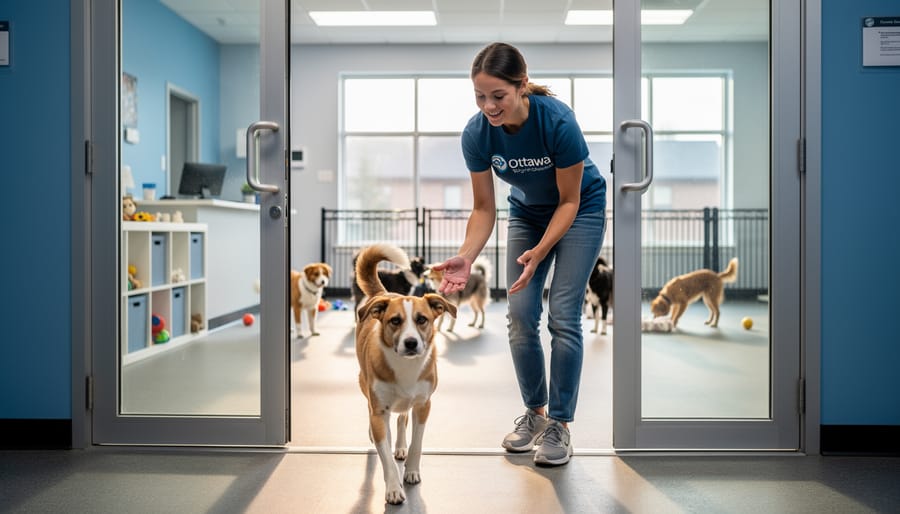
Finding the right dog daycare for your furry companion starts with asking the right questions during your facility tour, and knowing what questions to expect staff will ask you about your dog’s behavior, health, and socialization history. This isn’t just a casual meet-and-greet. It’s a two-way interview that determines whether your pup will thrive in that environment and whether the facility meets your standards for safety, supervision, and care quality.
Ottawa dog owners researching daycare options often feel overwhelmed by the number of facilities available and unsure what separates excellent care from merely adequate supervision. The interview process gives you a front-row look at how staff interact with dogs, how they handle conflicts between playmates, and whether their protocols align with modern, expert-backed pet care standards. You’ll learn whether they can accommodate your dog’s unique personality, from the shy senior who needs gentle encouragement to the exuberant puppy who hasn’t mastered indoor manners yet.
Preparing for your daycare interview means knowing what documents to bring, which red flags to watch for during your tour, and how to evaluate staff responses about their training methods and emergency procedures. The staff will ask detailed questions about your dog’s vaccination records, past behavior with other animals, and any anxiety triggers or medical needs. Meanwhile, you should be ready to assess their group sizes, staff-to-dog ratios, cleaning routines, and how they screen dogs for compatibility before mixing playgroups.
This guide walks you through every stage of the daycare interview process, helping you prepare the essential paperwork, recognize safety concerns, ask the questions that reveal true care quality, and ultimately decide if a facility earns your trust.
What You’ll Need for the Dog Daycare Interview

Walking into your first dog daycare interview can feel overwhelming, but coming prepared makes all the difference. Think of this as gathering your dog’s resume, you want to present a complete picture of who they are, what they need, and how they behave in different situations.
Start by assembling your dog’s medical documentation. Bring current vaccination records showing rabies, distemper, and bordetarism vaccines, along with proof of any required preventatives like flea and tick treatments. Most Ottawa daycares won’t accept your dog without these, and for good reason, they protect the entire group. Include your veterinarian’s contact information and a brief medical history noting any chronic conditions, past surgeries, or ongoing treatments.
Your interview checklist should include:
- Up-to-date vaccination records and health certificates
- Veterinarian contact information and emergency vet details
- Your emergency contacts (at least two people besides yourself)
- Current medications list with dosages and timing
- Known allergies, food sensitivities, or dietary restrictions
- Detailed feeding schedule and portion sizes
- Behavioral notes covering play style, triggers, and social history
- Photos or short videos of your dog playing with other dogs
The behavioral information matters more than many owners realize. Write down your dog’s play style (chase, wrestle, gentle), any fear triggers (loud noises, men in hats), and past experiences with other dogs. Be honest about resource guarding, leash reactivity, or separation anxiety, daycares can often work with these issues, but only if they know upfront.
Videos showing your dog at the park or playing with a friend’s dog give staff valuable insight into their body language and social skills. These visual references help them plan appropriate playgroups and anticipate your dog’s needs before the first day.

Important Considerations Before You Go
Before you schedule that interview, take an honest inventory of whether daycare is right for your dog. Not every dog thrives in a group environment, and pushing an unsuitable candidate into daycare can stress your pet and create safety issues for everyone involved.
Start with your dog’s temperament. Dogs who genuinely enjoy canine company, those who seek out other dogs on walks, play well at the park, and recover quickly from brief conflicts, are ideal candidates. If your dog shows resource guarding over toys or food, displays consistent fear or aggression toward unfamiliar dogs, or hasn’t been properly socialized, group daycare may overwhelm them. Puppies under four months typically lack complete Ottawa vaccination info requirements and shouldn’t attend until fully protected.
Health considerations matter as much as behavior. Dogs with compromised immune systems, chronic conditions requiring frequent monitoring, or mobility issues that make them vulnerable in active play groups need alternative care arrangements. Extreme separation anxiety that manifests as destructive behavior or self-harm also makes daycare inappropriate until you’ve worked with a trainer or behaviorist.
Watch for facility red flags during your visit. Strong ammonia smells indicate poor cleaning practices. Staff who can’t answer basic questions about supervision or emergency protocols raise concerns. Overcrowded play areas, broken fencing, or lack of separate spaces for different dog sizes suggest inadequate safety measures. Trust your instincts, if something feels off, it probably is.
Ask about liability insurance and what their policy covers. Reputable facilities carry comprehensive coverage and will explain their incident reporting procedures. Understanding these protections before enrollment prevents confusion if an accident occurs.
If you’re uncertain about your dog’s readiness, request a behavioral evaluation before committing. Quality daycares often offer assessment sessions that benefit everyone involved.
Questions the Daycare Will Ask You
About Your Dog’s Behavior and Temperament
Expect questions that dig into how your dog actually behaves around other animals. Staff need an honest picture to keep everyone safe and create compatible play groups.
You’ll likely hear “How does your dog react when meeting new dogs?” Be specific. Does your pup approach cautiously, bounce straight over with a play bow, or bark from a distance first? Mentioning whether they prefer calm sniffers or energetic wrestlers helps staff match them with suitable playmates. If your dog took classes using positive reinforcement that’s worth noting since it often predicts better social skills.
They’ll ask about fear triggers: strangers, loud noises, sudden movements, certain dog breeds. Don’t downplay these. A dog who freezes around huskies or panics during thunderstorms needs particular handling, and good facilities appreciate the heads-up rather than discovering it mid-incident.
Separation anxiety questions matter too. Does your dog whine for five minutes then settle, or scratch doors and howl for hours? The difference affects placement and whether daycare even suits them right now.
Be direct about any aggression history, even minor scuffles. “He snapped at a dog who took his toy once” isn’t disqualifying at most places, but hiding it creates dangerous situations. Frame it honestly: “He’s possessive with high-value items, so we’ve been working on trade games at home.” This shows you understand the behavior and take it seriously, which staff respect far more than claims of a perfect dog who later resource-guards.
Health and Medical History Questions
Daycares need complete medical information to protect every dog in their care. Expect questions about your dog’s vaccination history, specifically rabies, distemper, parvovirus, and bordetella (kennel cough). Most facilities require proof of current vaccinations before acceptance. Be ready to provide your vet’s contact information and the date of your dog’s last checkup.
They’ll ask whether your dog is spayed or neutered, as intact dogs may trigger different behaviors in group settings. If your dog takes any medications, explain what they’re for, the dosage, and timing. Mention all allergies, whether food-related or environmental, and any past injuries or surgeries that might affect play, a dog recovering from knee surgery needs different activity levels than a healthy youngster.
Don’t downplay health issues. If your dog has a chronic condition like epilepsy or diabetes, the staff needs to know how to respond during an emergency. Honesty isn’t just about liability; it’s about ensuring staff can recognize when your dog needs help versus normal tired behavior. A daycare that knows your senior dog has arthritis won’t mistake stiffness for injury. Complete disclosure helps them create the safest possible environment for your pet and their playmates.
Daily Routine and Special Needs
The daycare will ask detailed questions about your dog’s daily schedule to maintain consistency and comfort. Expect questions about feeding times, portion sizes, and whether your dog eats quickly or grazes throughout the day. They’ll want to know about any dietary restrictions, favorite treats, and whether your dog guards food around others.
Bathroom routine questions help staff anticipate your dog’s needs, how often they typically need breaks, any signals they give, and whether they prefer grass or gravel. Be specific about morning and evening patterns, as this helps prevent accidents.
Activity level questions assess energy requirements: Is your dog a high-energy breed needing constant stimulation, or do they prefer shorter bursts with frequent naps? Mention favorite activities like fetch, tug-of-war, or swimming. If your dog enjoys food-dispensing toys or puzzle games, share this, many facilities incorporate enrichment activities.
Discuss any special accommodations: Does your dog need a quiet space periodically? Do they have mobility issues requiring ramps or softer surfaces? Are there specific toys that comfort them? The more detail you provide about these routines and preferences, the better staff can replicate your dog’s home environment and reduce stress during their stay.
Essential Questions You Should Ask the Daycare
Staff Training and Supervision
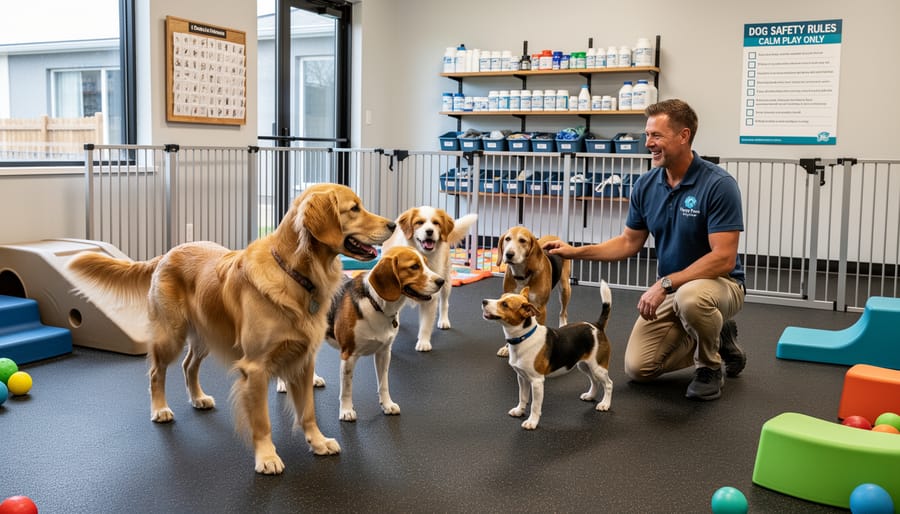
Staff training and supervision directly impact your dog’s safety and experience. Start by asking about staff-to-dog ratios, ten to one is standard, though smaller groups indicate more attentive care. Find out how many staff members stay on the floor during playtime and whether anyone monitors from a different vantage point.
Ask what training staff complete before handling dogs. Look for certifications in canine behavior, dog body language, CPR, and first aid. The best facilities require ongoing education, not just a one-time orientation. Request specifics about how they assess staff competency with different temperaments and situations.
Understanding supervision methods matters tremendously. Ask how they monitor play areas, whether they use cameras for additional oversight, and how quickly staff can intervene. Inquire about their conflict resolution protocols when dogs show tension or aggression. Quality daycares separate dogs at early warning signs rather than waiting for fights. They should explain their process for calming excited dogs, managing overstimulated pups, and ensuring every dog gets appropriate rest. This transparency about what happens during supervision tells you whether they truly understand dog behavior or simply hope for the best.
Facility Safety and Cleanliness
Ask how often play areas are cleaned and disinfected throughout the day. A reputable facility should clean between group rotations and deep-clean daily using pet-safe products. Don’t be shy about asking what disinfectants they use, harsh chemicals can irritate paws and respiratory systems.
Check their vaccination and health screening requirements. Every dog should show proof of rabies, distemper, and bordetaux vaccinations. Ask what happens if a dog shows signs of illness during the day and how they prevent disease spread.
Inspect the fencing yourself during your tour. Look for gaps at ground level where small dogs could escape, check that gates have secure latches, and ensure outdoor areas have double-entry systems to prevent door-dashing.
Temperature control matters year-round in Ottawa’s climate. Ask how they keep dogs cool in summer (shade structures, wading pools, air conditioning) and warm in winter. Indoor areas should have proper ventilation without drafts.
Observe rest areas during your visit. Dogs need quiet spaces away from the action. These should be clean, comfortable, and separate from high-energy play zones.
Locate emergency exits and ask about evacuation procedures in case of fire or other emergencies.
Group Management and Playtime
Understanding how a facility manages playtime and groups dogs together reveals a lot about their expertise and whether they’ll provide a safe, enriching environment for your pet. Start by asking how they group dogs during play sessions. Quality facilities separate dogs by size, energy level, and play style, not just one criterion. A small, timid dog shouldn’t be thrown in with large, rowdy breeds regardless of age. Ask to see the groupings in action if possible.
Request a detailed daily schedule. What does a typical day look like? How much time do dogs spend in active play versus rest periods? Dogs need downtime to prevent exhaustion and stress. A good daycare balances stimulation with quiet time, typically 2-3 play sessions with rest breaks in between. Ask about the ratio of indoor to outdoor play, especially during Ottawa winters when weather affects outdoor time.
Inquire about enrichment beyond basic play. Do they rotate toys? Offer puzzle feeders? Provide swimming pools in summer? These activities prevent boredom and keep dogs mentally engaged. Also ask what happens if your dog prefers quieter activities or needs a break from the group. Flexible facilities accommodate different personalities rather than forcing all dogs into the same routine.
Emergency and Communication Protocols
Ask how the daycare handles medical emergencies and which veterinary clinic they partner with. Find out if they’ll call you first or go directly to their vet, and confirm you’re responsible for associated costs. Request details on their incident reporting process, when and how they’ll notify you if your dog gets injured, has a conflict with another dog, or shows signs of illness during the day.
Clarify their daily communication methods. Do they send photos or updates through an app? Will they call if something seems off, even if it’s minor? Understanding their pickup and drop-off windows matters too, especially if you have a tight work schedule. Ask about late pickup fees and their policy if you’re running behind. Some Ottawa facilities offer flexible hours during winter months when traffic and weather can be unpredictable.
Finally, confirm who’s authorized to pick up your dog and what identification they require. Clear communication protocols prevent misunderstandings and ensure you’re always informed about your dog’s day.
The Evaluation Process: What Happens Next
After you’ve asked all the right questions and the daycare has learned about your dog, most facilities won’t just hand you a spot. They’ll want to see how your pup actually handles the environment, and this evaluation period tells you whether this daycare is truly the right fit.
Most Ottawa daycares require a trial day or assessment period before accepting your dog as a regular client. Your dog might spend a few hours or a full day at the facility while staff observe how they interact with other dogs, respond to new people, and adjust to the daily schedule. The staff are watching for play style compatibility, stress signals, and whether your dog can settle down during rest periods. Some dogs ace this immediately, while others need a gradual introduction with shorter visits.
During this period, the daycare evaluates temperament, social skills, and overall safety. Can your dog share space without resource guarding? Do they respect other dogs’ boundaries? How do they respond when staff redirect their behavior? These aren’t pass-fail tests but assessments of compatibility. A good facility will give honest feedback about what they observed and whether adjustments might help.
Once your dog starts attending regularly, monitor their response closely for the first few weeks. A tired dog after daycare is normal, but exhaustion that lasts days isn’t. Watch their body language when you arrive for drop-off. Successful integration means your dog seems happy to go, maintains their appetite, and shows no new behavioral issues at home. If your dog becomes withdrawn, aggressive, or starts having accidents indoors, something isn’t working.
Stay in regular contact with staff during this adjustment period. They should proactively share observations about your dog’s day, not just respond when problems arise. Trust your instincts. If something feels off, it probably is.
Common Dog Daycare Interview Questions
Preparing for a dog daycare interview brings up plenty of questions, especially if it’s your first time evaluating care options. Here are answers to the concerns Ottawa dog owners most frequently have about the interview process.
What if my dog has been in fights before?
Be honest about past incidents and provide context, many dogs with prior conflicts can succeed in daycare if properly assessed and grouped. Quality facilities will conduct temperament testing and may place your dog in smaller, carefully matched playgroups rather than immediately rejecting them.
Do I need to stay for the first day?
Most daycares prefer owners leave after drop-off, as dogs often settle faster without their person present. However, reputable facilities will offer a facility tour beforehand and provide updates throughout your dog’s first trial day.
How much does daycare cost in Ottawa?
Ottawa dog daycare typically ranges from $30 to $50 per full day, with package deals and memberships offering better rates. Prices vary based on facility amenities, staff ratios, and whether specialized services like training or grooming are included.
Can my puppy go to daycare?
Puppies can usually start daycare around 12 to 16 weeks old, after completing their initial vaccination series. Many Ottawa facilities offer puppy-specific programs with shorter sessions and age-appropriate playgroups to support healthy socialization.
Beyond these basics, you might wonder what happens if your dog doesn’t pass the initial assessment. It’s not a reflection on you as an owner, some dogs simply aren’t suited for group daycare environments. They might be happier with one-on-one dog walkers, in-home pet sitters, or smaller playgroups with familiar dogs. A good facility will explain exactly why daycare isn’t recommended and suggest alternatives that better match your dog’s temperament.
If you’re worried about discussing behavioral challenges during the interview, remember that transparency protects everyone involved. Facilities would rather know upfront about leash reactivity, resource guarding, or anxiety triggers so they can make informed decisions and potentially accommodate your dog’s needs. Hiding issues puts staff, other dogs, and ultimately your own dog at risk.
Regarding Ottawa-specific considerations, winter weather affects daycare operations differently across facilities. Ask how they handle extreme cold days, whether they have adequate indoor space for active play, and what happens during ice storms when road conditions make drop-off challenging. Some Ottawa daycares offer extended hours or modified schedules during harsh weather, which can be a significant convenience factor for working owners.
A thorough interview process isn’t just a formality, it’s your best tool for ensuring your dog’s safety, happiness, and wellbeing while you’re apart. When both you and the daycare ask detailed questions, everyone benefits. Your dog gets a secure environment suited to their temperament, the facility maintains a harmonious group dynamic, and you gain peace of mind knowing your pet is in capable hands.
Trust your instincts during this process. If something feels off about a facility’s answers, their physical space, or how they interact with dogs, keep looking. Ottawa has quality daycare options, and the right Dog Daycare Experience is worth the search. A reputable facility will never rush you, discourage questions, or make you feel guilty for being thorough. They understand that careful vetting protects the entire pack.
Remember that finding the right match might take visiting multiple facilities and asking the same questions to compare answers. Your preparation and attention to detail demonstrate exactly the kind of responsible ownership that good daycares value most.
Looking for more guidance on keeping your dog healthy and happy? Explore our other resources on training, nutrition, and wellness tailored specifically for Ottawa pet owners.