
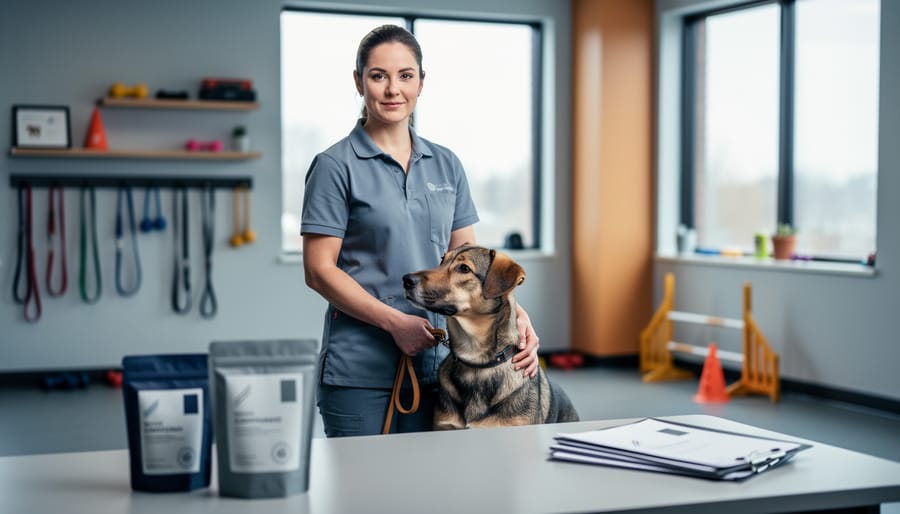
Yes, you can find free dog training certification programs online, but they won’t carry the same professional weight as paid, accredited programs when you’re building a career in Ottawa’s competitive pet services market. The most notable no-cost option is Alison’s Dog Training Careers course, which offers CPD accreditation without requiring any tuition. This gives aspiring trainers a genuine starting point to learn foundational concepts and test whether this career path suits them before committing financially.
The challenge comes when you’re deciding between free and paid programs. Free certifications like Alison’s provide solid introductory knowledge and look good on a resume when you’re just starting out or volunteering at local shelters. However, if you’re serious about opening your own practice or working with Ottawa’s growing population of dog owners who expect certified expertise, you’ll likely need credentials from recognized institutions. Programs like Karen Pryor Academy’s Dog Trainer Professional certification, starting at $5,600, or Good Dog Academy’s offerings (Canada’s first CAPDT-accredited school) deliver the depth and industry recognition that clients and employers actively seek.
The real question isn’t whether free certifications exist, it’s whether they align with your career goals. Are you exploring dog training as a hobby, looking to enhance your skills with your own pets, or planning to compete professionally in Ottawa’s thriving pet care industry? Understanding this distinction will save you months of confusion and help you invest your time and money wisely. This guide breaks down what each certification level offers, how they compare in real-world applications, and which path makes sense for where you are right now.
Understanding Dog Training Certification: What You’re Actually Buying
When you search for dog training certification online, you’ll encounter everything from completely free courses to programs costing several thousand dollars. Understanding what distinguishes these options helps you avoid investing time or money in credentials that won’t serve your goals.
The term “certification” itself causes confusion in the dog training industry. A certificate of completion simply confirms you finished a course, it’s proof you watched videos or passed quizzes, but carries minimal weight with clients or employers. Professional credentials, by contrast, demonstrate you’ve met rigorous standards set by recognized industry bodies and can perform specific competencies with real dogs.
Accreditation makes the difference between a hobbyist certificate and a career-building credential. In Canada, CAPDT (Certification Council for Professional Dog Trainers) accreditation signals that a program meets professional standards, Good Dog Academy earned recognition as Canada’s first CAPDT-accredited school. CPD (Continuing Professional Development) accreditation, found on Alison’s free course, indicates the material supports ongoing learning but doesn’t carry the same professional weight.
The price gap reflects what you’re actually getting. Free programs typically provide video lectures covering basic concepts, valuable for exploring your interest, but lacking supervised practical experience, mentorship, or credentials that establish credibility. Programs in the thousands include extensive hands-on requirements, expert feedback on your technique with real dogs, business-building support, and credentials recognized across the industry. Karen Pryor Academy’s Dog Trainer Professional program, designed for highly motivated trainers seeking to advance their knowledge and career prospects, exemplifies this comprehensive approach. You’re not just buying information, you’re investing in supervised skill development and professional recognition that directly impacts your earning potential.
Key Factors to Consider When Choosing a Dog Training Certification

Accreditation and Industry Recognition
Accreditation separates hobby-level courses from credentials that employers and clients take seriously. When you’re choosing a dog training certification program, look for recognition from established industry bodies, particularly CAPDT (Certification Council for Professional Dog Trainers) and CPD (Continuing Professional Development). CAPDT accreditation is especially valuable in Canada, where schools like Good Dog Academy have earned this designation, signaling that their curriculum meets rigorous professional standards. CPD accreditation, which you’ll find on free courses like Alison’s program, indicates the content meets continuing education criteria but doesn’t carry the same weight as a full professional credential.
In Ottawa’s competitive pet services market, where dog training costs vary widely, clients often research their trainer’s background before booking. An accredited certification immediately builds trust and can justify premium pricing. For employment at established training facilities or pet businesses, hiring managers specifically seek CAPDT-recognized credentials. Without recognized accreditation, you’ll face skepticism about your expertise, struggle to command professional rates, and find yourself explaining why your certificate differs from industry-standard qualifications.
Curriculum Depth vs. Your Career Goals
Choosing the right certification starts with honest self-assessment about where you want dog training to fit in your life. A free CPD-accredited course like Alison’s Dog Training Careers program covers foundational theory, ideal if you’re a dog owner wanting to better understand your own pet or explore whether training interests you enough to pursue further. These introductory courses won’t qualify you to hang a professional shingle, but they cost nothing and require minimal time commitment.
If you’re considering a side income, offering basic obedience classes to neighbors or volunteering at Ottawa shelters, a mid-range certificate program provides more depth without the full professional investment. You’ll learn enough to choose the right class structure and work safely with multiple dogs, though your credentials may not carry the weight needed for corporate clients or serious behavioral cases.
For a full-time career, programs like Karen Pryor Academy’s Dog Trainer Professional (starting at $5,600) or Good Dog Academy’s CAPDT-accredited offerings deliver comprehensive training in learning theory, behavior modification, and business skills. These rigorous programs are designed for highly motivated trainers seeking to advance their knowledge and career prospects. The curriculum depth matches what professional clients and employers expect, making the investment worthwhile if dog training is your calling rather than a hobby.
Practical Training Requirements
No matter how comprehensive an online dog training certification appears, theory alone won’t prepare you to handle a reactive German Shepherd or teach a stubborn Beagle to recall reliably. Hands-on experience with real dogs is where classroom concepts meet messy reality, and it’s often the missing piece in free certification programs.
Most legitimate certification programs recognize this gap differently. Professional programs like Karen Pryor Academy’s Dog Trainer Professional and Good Dog Academy’s CAPDT-accredited offerings typically require supervised practical hours, including documented training sessions with multiple dogs and video submissions reviewed by experienced instructors. Free courses like Alison’s CPD-accredited program, while valuable for foundational knowledge, usually don’t include practical requirements or mentorship, you’re responsible for finding your own training opportunities.
Ottawa offers several ways to supplement online learning with hands-on practice. Volunteer with local rescues like Ottawa Dog Rescue or the Ottawa Humane Society to work with dogs of varying temperaments and backgrounds. Many Ottawa dog trainers accept apprentices or allow shadowing opportunities, reach out to professionals in your area and express genuine interest in learning. Dog daycare facilities and boarding kennels sometimes hire trainees willing to learn on the job.
The most successful online students proactively create their practice lab. Start with friends’ and family members’ dogs, document every session, and seek feedback from certified trainers. This practical foundation transforms theoretical certification into genuine skill.
Types of Online Dog Training Certifications Compared

Free Foundation Courses
The genuine free option that meets professional standards is Alison’s Dog Training Careers course, which holds CPD accreditation. This self-paced program covers basic training principles, canine behavior fundamentals, and career pathways in the dog training industry. You’ll get an introduction to training methodologies and business basics without financial commitment.
However, understand what you’re getting: a foundational overview, not a professional credential. Alison’s course won’t qualify you to hang out a shingle as a certified dog trainer in Ottawa or anywhere else. Employers and clients distinguish between introductory certificates and recognized professional certifications like those from CAPDT-accredited programs. The curriculum lacks the depth and supervised practical components that professional programs require.
These free courses serve two valuable purposes. First, they let you test whether dog training genuinely interests you before investing thousands in professional certification. If you complete the modules and find yourself bored or overwhelmed, you’ve saved considerable money. Second, they provide supplementary knowledge for dog owners who want to better understand training principles for personal use, perhaps to improve their own dog’s dog park etiquette or work with local rescue organizations.
Think of free foundation courses as exploration tools. They open the door to dog training education but don’t replace the comprehensive learning, mentorship, and hands-on practice that professional certification demands.
Mid-Range Certificate Programs
Mid-range certificate programs typically cost between $500 and $2,000, positioning them as a middle ground for trainers who want more substance than free courses but aren’t ready to commit to professional-level programs. These programs generally offer structured curricula covering foundational training methods, basic behavior theory, and some business guidance for starting a training practice.
What sets mid-range options apart is their balance of accessibility and depth. They often include video demonstrations, course materials you can revisit, and sometimes limited instructor feedback through forums or group sessions. While they won’t provide the intensive mentorship or hands-on supervision of premium programs, they give you enough framework to start working with dogs under supervision or as an assistant trainer.
The catch is accreditation. Many mid-range programs offer certificates of completion rather than industry-recognized credentials, which means they’re better suited for building foundational knowledge than launching a full professional career. They work well for dog walkers or daycare staff in Ottawa who want to add basic training skills to their services, or for hobbyists testing whether they’re ready to invest in comprehensive certification later.
Before enrolling, verify what the certificate actually represents and whether it includes any practical assessment components, since theory alone won’t prepare you for real client dogs.
Professional Certification Programs
Professional certification programs represent the most substantial investment in your dog training education, designed for those committed to building a serious career in the profession. These comprehensive courses go beyond foundational theory to include extensive curriculum, hands-on requirements, and credentials that carry weight with employers and clients.
Karen Pryor Academy’s Dog Trainer Professional program stands out as a rigorous option for highly motivated trainers seeking to advance their knowledge, skills, and career prospects. With tuition starting from $5,600, graduates earn a professional dog trainer certification recognized throughout the industry. The program demands significant time and effort but equips you with deep expertise in clicker training methodology and behavior science.
For Canadian trainers, Good Dog Academy offers particular value as the country’s first CAPDT-accredited school for dog trainers. Their Professional Dog Trainer Certificate Program and Canadian Standards Program align with professional standards most relevant to practicing in Canada. CAPDT accreditation means your credential meets established industry benchmarks, which matters when building client trust and pursuing employment opportunities in Ottawa’s competitive pet services market.
These programs typically require completing practical case studies, working with multiple dogs under supervision, and demonstrating competency across various training scenarios. While the investment is considerable, graduates emerge with credentials that justify premium pricing and professional positioning in the field.
Our Recommendations: Matching Programs to Your Situation
For Ottawa Dog Owners Exploring the Field
If you’re an Ottawa dog owner curious about training as a potential career or side pursuit, start with Alison’s free CPD-accredited Dog Training Careers course. It requires zero financial commitment and gives you a realistic preview of the field’s fundamentals, enough to determine whether you genuinely enjoy the work before investing thousands in professional programs like Karen Pryor Academy or Good Dog Academy. Treat it as an exploration tool, not a professional credential.
Once you’ve completed the foundation course, seek hands-on experience with local dogs. Volunteer with Ottawa Humane Society or offer to help friends train their pets at practice locations around the city. This real-world practice reveals whether you have the patience, problem-solving skills, and genuine interest needed for a training career, insights no online course alone can provide.
For Aspiring Professional Dog Trainers
If you’re serious about making dog training your career, skip the free courses and invest in a program with professional credibility. In Canada, that means choosing a certification recognized by the Certification Council for Professional Dog Trainers (CAPDT). Good Dog Academy stands out as Canada’s first CAPDT-accredited school, offering programs specifically designed for the Canadian market and employment landscape.
CAPDT accreditation matters because it signals to clients, employers, and other professionals that you’ve met rigorous standards. It’s the credential veterinarians, shelters, and discerning dog owners look for when hiring trainers. While programs like Karen Pryor Academy’s Dog Trainer Professional (starting at $5,600) offer excellent education, Canadian-specific accreditation through CAPDT can be particularly valuable if you plan to work in Ottawa and across Canada.
Expect to invest both money and time. Professional programs typically require 6-12 months of study plus hands-on practice hours with real dogs. Budget for tuition, books, travel to any required workshops, and the cost of working with training dogs during your practicum. This investment pays off through higher client rates, better job opportunities, and the confidence that comes from thorough preparation.
Don’t view certification as the finish line. It’s your foundation. Plan to continue learning through workshops, specialty courses, and mentorship as you build your Ottawa-based practice.
For Current Pet Professionals Adding Skills

If you’re already working in Ottawa’s pet industry, as a groomer, daycare attendant, kennel worker, or veterinary assistant, adding dog training certification strengthens your professional toolkit and opens new revenue streams without starting from scratch.
Your existing hands-on experience with dogs gives you a significant advantage. You already understand canine body language, handle anxious or reactive dogs daily, and have built client relationships. A focused certification program lets you formalize this practical knowledge with training theory and science-based methods that clients increasingly expect.
For established pet professionals, mid-range certificate programs typically offer the best value. You don’t need to start with free introductory courses since you’re past the “testing interest” phase, but you may not require the full scope of programs like Karen Pryor Academy’s Dog Trainer Professional (starting at $5,600) if you’re adding training as a complementary service rather than pivoting entirely.
Look for programs that recognize your existing experience and focus on skills you’ll use immediately, like addressing common behavior issues during grooming sessions or offering basic manners classes at your daycare. CAPDT-accredited options like Good Dog Academy’s programs carry weight with Ottawa clients who research credentials.
The practical component matters less for you than for career-changers since you already handle dogs daily, but ensure any program covers liability, client communication, and ethical training practices specific to professional contexts.
Common Mistakes to Avoid When Choosing a Certification
Choosing a dog training certification is exciting, but several common mistakes can derail your career plans before they even start. Many aspiring trainers in Ottawa rush into programs without doing their homework, then discover later that their certification doesn’t carry the weight they expected. Here are the critical pitfalls to avoid.
The biggest mistake is treating all certifications as equal. Not all programs hold the same value in the eyes of potential clients or employers. A free introductory course from Alison, while CPD accredited and valuable for foundational knowledge, won’t open the same doors as a comprehensive program like Karen Pryor Academy’s Dog Trainer Professional certification. The designation you earn directly affects your credibility when you’re trying to keep pets safe and build trust with Ottawa dog owners who are entrusting their beloved companions to your care.
Many aspiring trainers make these avoidable errors:
- Choosing a program based solely on price without researching its industry recognition or career outcomes
- Failing to verify whether the program is accredited by recognized bodies like CAPDT or CPD
- Enrolling in online-only programs without planning for essential hands-on practice with real dogs
- Expecting to generate immediate income from a basic certificate of completion rather than investing in professional-level training
- Overlooking continuing education requirements needed to maintain skills and stay current with evolving training methods
Another common misstep is misunderstanding what “free” means for your career trajectory. Free courses work beautifully for testing your interest or gaining foundational knowledge, but they rarely provide the depth, practical experience, or professional credibility needed to launch a viable training business. Expecting a free program to deliver the same career outcomes as Karen Pryor Academy’s program, which starts at $5,600, sets you up for disappointment.
Skipping the practical experience component is particularly dangerous. You can’t become a competent trainer by watching videos alone. Even the best online programs require supervised work with actual dogs, but many aspiring trainers skip this step or underestimate how much hands-on practice they need. In Ottawa, you have access to local trainers, shelters, and training facilities where you can gain this crucial experience, but you need to actively seek these opportunities rather than assuming the online course alone will prepare you.
Finally, many people overlook continuing education requirements. Dog training evolves as new research emerges about canine behavior and learning. Stopping your education after one certification leaves your skills stagnant and your knowledge outdated within a few years.
Frequently Asked Questions

Are free certifications recognized by employers and clients?
Free courses like Alison’s CPD-accredited program demonstrate foundational knowledge but typically aren’t sufficient credentials for professional employment at established training facilities or veterinary clinics. Most employers and discerning clients in Ottawa look for comprehensive certifications from recognized bodies like CAPDT-accredited schools, though free certificates can supplement your resume or help you decide if the field is right for you before investing in professional programs.
Do I need a license to train dogs in Ottawa?
Ontario doesn’t require a government-issued license to work as a dog trainer, but professional credibility depends heavily on recognized certification and demonstrated competence. Clients increasingly seek trainers with credentials from accredited programs, liability insurance, and proven experience working with dogs in supervised settings.
Can I complete my certification entirely online without hands-on experience?
Many programs offer online coursework, but reputable certifications require documented practice with real dogs under supervision or through structured case studies. Even if theoretical components are online, you’ll need real-world practice to develop timing, body language reading skills, and the ability to adjust techniques based on individual dog responses, skills that can’t be learned from videos alone.
What’s the difference between CPD and CAPDT accreditation?
CPD (Continuing Professional Development) accreditation means a course meets general educational standards and can count toward professional development hours, while CAPDT (Certification Council for Professional Dog Trainers) specifically accredits dog training programs and sets industry standards for trainer competency in Canada and the United States. CAPDT accreditation, like that offered by Good Dog Academy, carries more weight with employers and clients specifically seeking professional dog trainers than general CPD credentials.
The distinction matters because it affects how the market perceives your qualifications. A CPD-accredited free course gives you legitimate educational credit and foundational knowledge, which can be valuable for personal development or volunteering. However, when you’re competing for paid positions or trying to build a client base in Ottawa’s growing pet services market, CAPDT accreditation signals that you’ve met profession-specific standards rather than just completing a general online course.
Getting hands-on experience while completing online certification requires creativity and initiative. Volunteer at local animal shelters or rescue organizations in Ottawa, where you can practice basic training techniques under the guidance of experienced staff. Many daycare facilities welcome certified or in-training professionals who want to refine their skills. You might also offer discounted or free training sessions to friends and family while documenting your work as case studies, which many certification programs accept as practical components. The key is accumulating diverse experience with different breeds, temperaments, and behavioral challenges rather than just working with compliant dogs.
What to Look For
When evaluating online dog training certification programs, prioritize accreditation status first. Look for programs recognized by established bodies like CAPDT (Companion Animal Psychology and Training) or CPD (Continuing Professional Development). CAPDT accreditation, like Good Dog Academy’s program offers, carries particular weight in Canada and signals employer-recognized credentials. CPD accreditation, found on free options like Alison’s course, indicates the content meets educational standards but doesn’t guarantee professional recognition.
Examine curriculum depth relative to your goals. Professional programs like Karen Pryor Academy’s Dog Trainer Professional include extensive study of learning theory, behavior modification techniques, and business skills. Free foundation courses cover basics but rarely prepare you for immediate professional practice. Check whether the program requires practical training components, working with real dogs under supervision, since online-only theory won’t develop the hands-on skills clients expect.
Consider the total investment beyond tuition. Programs starting at $5,600 represent significant commitments, but evaluate what’s included: mentorship, ongoing support, marketing training, and insurance eligibility. Free courses cost nothing upfront but may require separate investments in practical experience and supplementary learning. Finally, assess time commitment realistically, comprehensive certifications demand months of dedicated study, while introductory courses offer flexibility for exploring the field before committing to a career path.
The landscape of online dog training certification in 2026 offers more pathways than ever, from genuinely free CPD-accredited courses to comprehensive professional programs costing several thousand dollars. There’s no single right answer, what matters is honest alignment between your career ambitions and the credential you pursue.
If you’re curious about dog training as a profession, starting with a free course like Alison’s gives you a risk-free way to explore the field and test your commitment. But if you’re serious about building a career, view these introductory options as exactly that: starting points, not destinations. Professional recognition in Canada increasingly means CAPDT accreditation or equivalent credentials from established programs, and clients in competitive markets like Ottawa notice the difference.
The most successful path combines online learning with real-world practice. Take advantage of Ottawa’s dog training community, volunteer at local shelters, assist experienced trainers, or practice with friends’ dogs while you’re studying. Online certification teaches you the theory and methods, but confident, skilled training comes from repetition with actual dogs in real situations.
Don’t rush the decision based on price alone, and don’t assume expensive automatically means better. Match the program’s rigor and recognition to where you genuinely want this skill to take you. The certification you choose today shapes not just what you know, but how clients, employers, and the broader professional community will view your expertise tomorrow.