
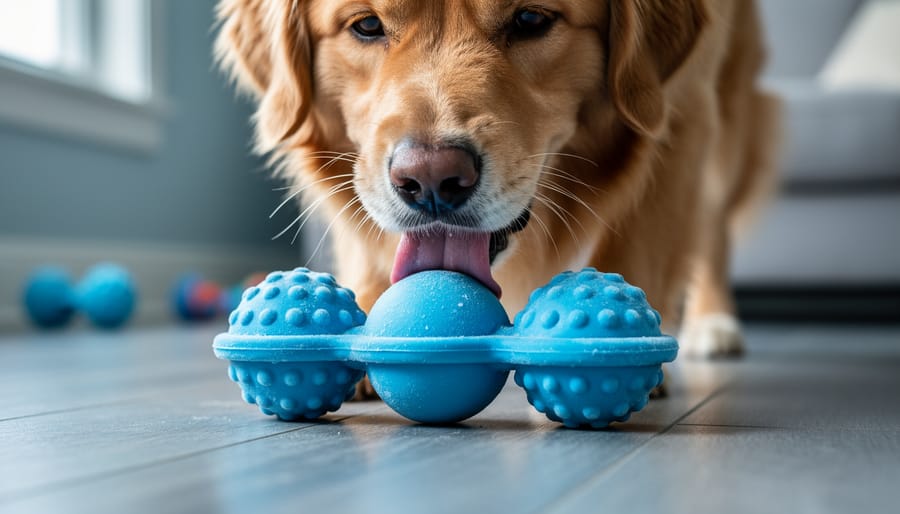
Costco Canada currently stocks the FreezePawps 2 Toys and Freeze Tray by South Paw, a clever all-in-one system that combines two natural rubber balls with a specialized mold and recipe guide to create frozen treats that fit perfectly inside for interactive feeding. For Ottawa dog owners searching for food-dispensing solutions at Costco, this blue kit represents the warehouse’s main offering in the interactive enrichment space, and it’s designed to keep your pup engaged while slowing down mealtime and stimulating natural foraging instincts.
Why does this matter? Dogs who eat too quickly or spend hours alone benefit enormously from toys that turn snacks into work. The mental stimulation rivals the physical exercise your dog might enjoy through dog daycare benefits keeping anxious or bored pets occupied and satisfied. The challenge is knowing which product fits your dog’s size, chewing strength, and dietary needs, especially since Costco’s selection rotates and online availability can shift.
This guide walks you through what Costco offers right now for food-dispensing enrichment, how to evaluate whether the FreezePawps system suits your dog, what alternatives exist if it doesn’t, and the common mistakes that lead to frustrated pups and wasted purchases. You’ll leave confident about whether to add that blue kit to your cart or look elsewhere for the right interactive feeding solution.
Why Food-Dispensing Toys Matter for Your Dog
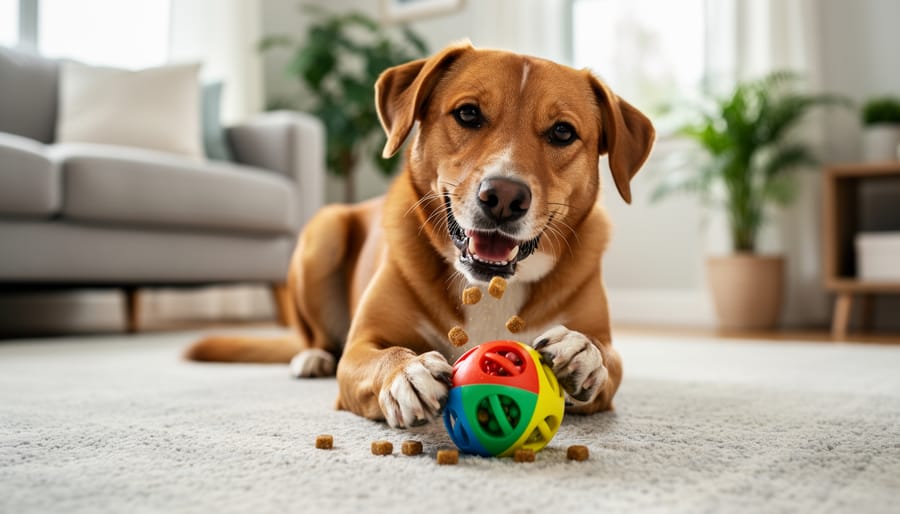
Dogs need more than just daily walks and belly rubs to stay happy and healthy. Food-dispensing toys tap into their natural instincts to forage and problem-solve, turning mealtime into an engaging activity that exercises their minds as much as their bodies. For Ottawa dog owners juggling busy schedules or dealing with long winter days indoors, these toys offer a practical way to keep dogs mentally stimulated and content.
Mental enrichment is the biggest payoff. When dogs work to extract treats from a toy, they’re solving a puzzle that engages their brain and satisfies their natural drive to hunt and forage. This cognitive challenge tires them out in a way that physical exercise alone can’t match, making it especially useful for high-energy breeds or dogs who can’t get outside as much during harsh weather. A mentally tired dog is a well-behaved dog, less likely to chew furniture, dig up gardens, or bark excessively out of boredom.
Food-dispensing toys also promote healthier eating habits. Dogs who gulp their meals too quickly risk bloat, a serious and potentially life-threatening condition. By forcing them to work for each bite, these toys naturally slow down eating and reduce that risk. The extended feeding time also keeps dogs occupied longer, which is helpful whether you’re working from home, preparing to travel with your dog or simply need a calm moment during a hectic day.
Finally, many food-dispensing toys encourage physical activity. Rolling, pawing, and carrying toys around the house adds low-impact exercise to a dog’s routine, supporting joint health and weight management without the intensity of a full walk.
Types of Food-Dispensing Toys Available
Treat-Stuffable Balls and Rubber Toys
Treat-stuffable rubber toys are the workhorses of food-dispensing enrichment. These hollow balls and shaped toys let you pack kibble, soft treats, or spreads like peanut butter inside, turning snack time into a satisfying challenge. As your dog chews, licks, and rolls the toy, treats tumble out gradually, rewarding persistence and keeping boredom at bay.
Natural rubber designs dominate this category because the material flexes under jaw pressure without cracking, making them safer for enthusiastic chewers. Look for toys with textured surfaces or ridges that massage gums and add grip. For gentle chewers or older dogs, softer rubber works well, while power chewers need extra-thick walls and reinforced construction to prevent shredding.
The simplicity of treat-stuffable toys makes them ideal starters: dogs quickly learn that working the toy pays off, and you can adjust difficulty by packing treats loosely for quick wins or freezing the stuffed toy for a longer, more challenging session.
Freeze-and-Fill Systems
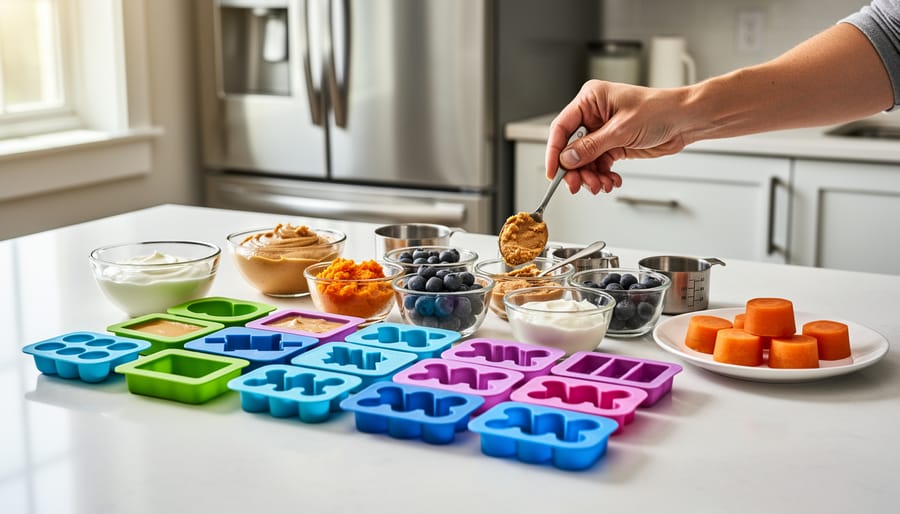
Freeze-and-fill systems take enrichment a step further by combining treat motivation with a cooling challenge that keeps dogs engaged for extended periods. These toys typically feature a hollow design that you fill with homemade mixtures, think pureed pumpkin, yogurt, peanut butter, or broth, then freeze solid before giving to your dog. The frozen core melts gradually as your pup licks and chews, turning a five-minute treat into a 20- or 30-minute activity.
The FreezePawps 2 Toys and Freeze Tray by South Paw, available at Costco Canada, exemplifies this approach: the set includes a specialized mold and recipes that let you create treats molded precisely to fit inside the two natural rubber balls. This eliminates the guesswork of stuffing and ensures the frozen treat sits securely in the toy. Beyond the mental workout, frozen toys offer real relief on hot Ottawa summer days, soothing teething puppies, and calming anxious dogs through sustained licking. Just supervise initially to confirm your dog can handle the cold and won’t try to swallow large chunks.
Puzzle and Interactive Feeders
Puzzle and interactive feeders turn mealtime into a brain game. These toys ask dogs to slide panels, lift flaps, rotate compartments, or nudge pieces with their nose or paw to reveal hidden kibble or treats. Unlike simpler rolling dispensers, puzzle feeders demand problem-solving: your dog must figure out the sequence or mechanism to earn each bite. That cognitive workout tires out even high-energy breeds and curbs boredom-driven behavior around the house.
Difficulty levels vary widely. Beginner puzzles might have a few shallow wells your dog can clear with minimal effort, while advanced designs layer multiple steps or require dexterity and patience. Match the challenge to your dog’s experience. A first-timer frustrated by a complex puzzle may give up, but an experienced puzzler breezed through a simple one won’t stay engaged. Many brands mark difficulty ratings on the box, and you can always graduate your dog to harder puzzles over time as their skills grow.
Rolling Dispensers
Rolling dispensers turn mealtime into a rewarding physical activity. These toys hold kibble or treats inside and release them gradually as your dog bats, nudges, or rolls the toy across the floor. The unpredictable reward timing keeps dogs engaged and motivated to keep playing.
They work especially well for active dogs who need both mental and physical stimulation. A rolling dispenser slows down fast eaters naturally, since dogs must work for each piece of food rather than gulping from a bowl. Many designs feature adjustable openings, letting you control the difficulty by changing how easily food falls out.
Look for models with smooth edges and durable construction that can handle being batted around hardwood or knocked into furniture. Transparent sections help you monitor how much food remains inside during play.
Key Factors When Choosing a Food-Dispensing Toy

Material and Safety
Material trumps novelty when you’re shopping for a food-dispensing toy. Natural rubber remains the gold standard: it’s non-toxic, flexible enough to withstand aggressive chewing, and won’t splinter into sharp fragments. The FreezePawps balls at Costco use natural rubber, which holds up well for most dogs. Food-grade plastics work too, especially in puzzle feeders where rigidity helps compartments click and slide, but check for BPA-free labeling and avoid brittle plastics that crack under pressure.
You’ll also see toys made from recycled wood fibres or other eco-friendly composites. These appeal to sustainability-minded owners, though durability varies, power chewers can destroy them quickly. Material matters because your dog’s mouth is warm, wet, and full of bacteria; anything that degrades, harbors mold, or leaches chemicals poses real health risks. Match the material to your dog’s chewing intensity and your willingness to replace worn toys promptly.
Size and Difficulty Level
Choosing the right size prevents choking hazards and ensures your dog can comfortably grip and manipulate the toy. Small breeds like Chihuahuas need compact toys they can carry, while larger breeds like German Shepherds require bigger options they won’t swallow. Check the manufacturer’s weight or breed recommendations, the FreezePawps natural rubber balls, for example, come in a size that works for most medium to large dogs.
Difficulty matters just as much as size. Start beginners with simple treat-release designs that reward minimal effort, building their confidence and interest. Dogs who’ve mastered basic dispensers can graduate to multi-step puzzles or freeze-and-fill toys that require sustained problem-solving. Match the challenge to your dog’s current skill level, not where you hope they’ll be, to keep them engaged without frustration.
Durability for Your Dog’s Chew Style
Choosing the right durability level starts with honest observation. Watch how your dog interacts with existing toys. Gentle chewers might carry toys around, lick them, or nibble softly, thin rubber or softer plastics typically hold up fine. Moderate chewers apply more pressure, chewing with purpose but not destroying items within minutes; they need reinforced rubber or thicker construction. Power chewers attack toys aggressively, often splitting seams or shredding material quickly. These dogs require heavy-duty natural rubber or nearly indestructible designs built specifically for extreme chewers.
Natural rubber toys like those in the FreezePawps set from Costco tend to suit moderate to heavy chewers well, offering flexibility without easy tearing. If your dog has destroyed every toy within days, look for products labeled “for aggressive chewers” or made from extra-thick rubber. Starting with a durable option prevents frustration and wasted money on repeatedly replaced toys.
Ease of Cleaning
Food-dispensing toys trap saliva, wet kibble, and treat residue in crevices where bacteria thrive if not cleaned regularly. Dishwasher-safe toys simplify this chore: toss them on the top rack after each use to eliminate harmful buildup without scrubbing. Toys that twist apart or feature wide openings allow you to reach inside with a bottle brush, ensuring thorough cleaning even without a dishwasher. Aim to wash food-dispensing toys at least every few days, or daily if you use sticky or moist fillings. Neglecting hygiene can lead to mold growth and gastrointestinal upset in your dog, turning an enrichment tool into a health risk.
Treat and Food Compatibility
Different food-dispensing toys work with different treat formats, so matching your dog’s toy to the right food is essential. Classic rubber balls and puzzle feeders typically accommodate dry kibble in various sizes, check the toy’s opening or chamber size against your dog’s regular food before buying. Soft, semi-moist treats like Snausages treats fit well in treat-stuffable toys but may crumble in rolling dispensers. For freeze-and-fill systems like the FreezePawps set, the included mold and recipes let you create custom-shaped treats from ingredients like peanut butter, yogurt, or mashed banana that fit perfectly inside the rubber balls. Always confirm that any human food you use is safe for dogs, avoid chocolate, grapes, xylitol, and onions, and rinse toys thoroughly after each use to prevent spoilage.
What Costco Offers for Ottawa Dog Owners
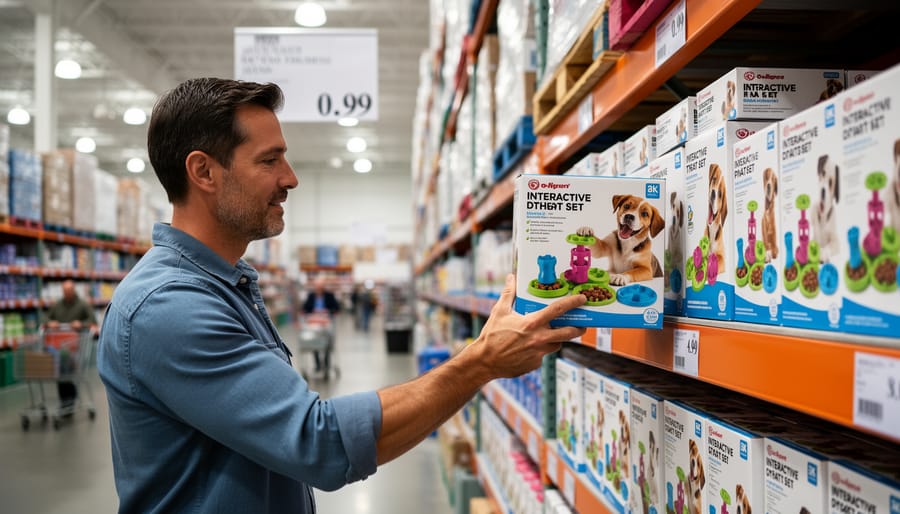
Costco Canada’s dog treat and toy selection reflects the warehouse retailer’s signature approach: bundled products that combine multiple items at competitive value. For Ottawa dog owners seeking food-dispensing toys, you’ll find options that lean toward complete systems rather than individual pieces. The current standout is the FreezePawps 2 Toys and Freeze Tray by South Paw, which illustrates this bundle philosophy perfectly.
This set includes two natural rubber balls in blue, along with a specialized freeze tray and recipe guide. The concept is simple but clever: you use the mold to create homemade frozen treats that fit precisely inside the rubber balls, turning them into long-lasting enrichment toys. The recipes help you avoid the guesswork of what mixtures will freeze well and release gradually as your dog works at the toy. Because the treats are molded specifically for these balls, you get a snug fit that challenges your dog without causing frustration. Standard shipping via UPS is included when you order online, which removes a common hidden cost.
Beyond FreezePawps, Costco’s dog treat aisle typically features bulk packs of training treats, dental chews, and occasional seasonal toys. The warehouse model means you’ll often see large-format packaging, multi-item bundles, or limited-time offerings that rotate throughout the year. This can be excellent for stocking up on consumables like treats, but it also means specific toy options may come and go. If you see a food-dispensing product that fits your dog’s needs, it’s worth grabbing it during that visit rather than assuming it’ll be available indefinitely.
Common Mistakes to Avoid
Even the best food-dispensing toy can become unsafe or ineffective if you make one of these common mistakes. Here’s what Ottawa dog owners should watch out for and how to sidestep these pitfalls.
- Choosing a toy too small for your dog’s mouth creates a choking hazard; always select a size your dog can’t swallow whole, even when wet or partially chewed.
- Picking overly difficult puzzles for beginners leads to frustration and disinterest; start with simple designs and increase complexity as your dog builds confidence.
- Neglecting to clean toys regularly allows bacteria, mold, and food residue to build up; wash dispensing toys with hot soapy water or run dishwasher-safe models through a cycle after every few uses.
- Using human foods that are toxic to dogs, such as chocolate, grapes, onions, or xylitol-containing peanut butter, can cause serious illness; stick to dog-safe ingredients or commercial treats.
- Forgetting to supervise initial use means you won’t catch problems like a dog trying to destroy the toy or getting frustrated; watch the first few sessions to ensure safe, positive engagement.
Another mistake is leaving the same toy out all day, every day. Dogs lose interest in constant access, so rotate toys every few days to keep them novel and engaging. If you’re using a freeze-and-fill system like the FreezePawps set from Costco, prep a few treats ahead of time so you always have a frozen option ready without rushing.
Don’t assume one toy suits every situation. A puzzle feeder might work beautifully for calm indoor enrichment but frustrate a high-energy dog who needs something to chase and chew. Match the toy type to your dog’s mood and energy level. Finally, resist the urge to overfill dispensing toys. Packing them too tightly makes treats impossible to extract, turning enrichment into a chore that your dog will abandon.
What to Look For
When shopping for food-dispensing toys at Costco or elsewhere, prioritize material safety first. Look for non-toxic, food-grade materials like natural rubber or BPA-free plastic that won’t leach chemicals when your dog chews or when you freeze treats inside. The FreezePawps set at Costco uses natural rubber, which is durable and safe for repeated use.
Size matters more than most owners realize. A toy that’s too small poses a choking risk, while one that’s too large frustrates your dog. Choose based on your dog’s breed and mouth size, ensuring they can manipulate the toy comfortably but can’t swallow it whole.
Consider your budget alongside value. While single treats like Whimzees costs add up quickly, a reusable toy with homemade treat-making capability offers better long-term savings. Costco’s bundle approach typically includes extras like molds and recipes, stretching your dollar further.
Check for dishwasher-safe or easy-clean designs. Toys with wide openings or detachable parts prevent bacterial buildup and make maintenance simple. Finally, match difficulty to your dog’s experience level. Beginners need straightforward designs; experienced puzzle-solvers crave complexity to stay engaged.
Main Options Compared
Ottawa dog owners shopping for food-dispensing toys typically choose among three main categories, each suited to different dogs and lifestyles.
Classic treat-stuffable toys like rubber balls and Kong-style designs offer simplicity and proven durability. You fill them with kibble, peanut butter, or soft treats, and your dog works to extract the food by chewing, licking, and rolling. They work for most dogs, last through heavy chewing, and clean easily. The trade-off is limited complexity, once your dog masters the technique, the challenge plateaus.
Freeze-and-fill systems such as the FreezePawps 2 Toys and Freeze Tray take stuffable toys further by combining natural rubber balls with a mold and recipes to create custom-fit frozen treats. Freezing extends the engagement time significantly, keeps dogs cool in Ottawa summers, and lets you control ingredients. The downside is prep time, you make treats in advance and freeze them, but the payoff is longer-lasting enrichment.
Puzzle feeders require dogs to slide, flip, or lift compartments to access kibble. They deliver the highest cognitive challenge and suit smart, food-motivated dogs. However, they break more easily than rubber toys, take longer to clean, and frustrate beginners.
Match the type to your dog’s chew strength, problem-solving ability, and your willingness to prep or clean.
Recommendations by Use Case
For power chewers who destroy standard toys within hours, prioritize extreme durability over novelty. Look for thick-walled natural rubber designs that can withstand aggressive gnawing sessions. The FreezePawps set at Costco works well here because the natural rubber balls are built tough, and freezing homemade treats inside adds challenge and longevity to each session.
If your dog is new to food puzzles, start simple. A basic treat-stuffable ball lets them learn the concept without frustration. Once they master rolling and chewing to extract food, graduate to freeze-and-fill systems or puzzle feeders that require more problem-solving. Pairing toy introduction with positive training tips helps anxious dogs build confidence around new enrichment tools.
For seniors or dogs with limited mobility, choose stationary puzzle feeders over rolling dispensers. These let your dog work mentally without needing to chase a toy across the floor, making mealtime enriching yet physically manageable.
Ottawa households managing multiple dogs benefit from buying sets that include more than one toy, reducing resource-guarding tension and giving each dog their own enrichment activity during feeding time.
Frequently Asked Questions
You’ve got your new food-dispensing toy home, but a few questions probably come to mind before you hand it over to your dog. Here’s what Ottawa pet owners typically want to know.
How often should I use food-dispensing toys?
You can use them daily as part of regular feeding or as occasional enrichment tools. Many owners replace one meal per day with a dispensing toy to add mental stimulation, while others use them a few times a week to keep things interesting.
Can I use regular kibble in these toys?
Absolutely. Most food-dispensing toys work perfectly with your dog’s everyday kibble, though you may need to check that the kibble size fits the toy’s openings. Puzzle feeders and rolling dispensers are particularly well-suited for dry food.
Are food-dispensing toys safe for puppies?
Yes, but choose age-appropriate designs. Puppies do well with simpler toys that don’t require advanced problem-solving, and you’ll want softer materials that are gentle on developing teeth. Always supervise young dogs during initial use.
How do I introduce my dog to a new dispensing toy?
Start easy by leaving the toy partially open or loaded with high-value treats so your dog experiences quick success. Once they understand the concept, you can gradually increase difficulty by tightening openings or using less enticing food.
What if my dog loses interest in the toy?
Rotate toys every few days to keep novelty high, or change up the food rewards you’re using. You can also try making freeze-and-fill options like the FreezePawps system more challenging by using stickier recipes that take longer to consume.
The most important thing is matching the toy to your dog’s current skill level and gradually building up challenge. If a toy sits ignored, it’s usually too difficult or not rewarding enough. Step back to an easier version, use tastier treats, and let your dog build confidence. Most dogs catch on quickly once they realize that interacting with the toy equals food, and you’ll find they start seeking out enrichment opportunities on their own. Clean toys after each use to prevent bacteria growth, especially with wet or sticky foods, and inspect rubber and plastic regularly for wear that could create choking hazards.
Food-dispensing toys offer Ottawa dog owners a practical way to transform mealtime into a rewarding mental workout. These tools combat boredom, encourage slower eating, and keep your dog engaged whether you’re home or away. The right toy can turn a five-minute meal into 20 minutes of focused problem-solving.
When you’re shopping, keep five factors front of mind: material safety ensures non-toxic play, size appropriateness prevents choking hazards, difficulty level matches your dog’s skill, durability withstands your dog’s chew strength, and ease of cleaning keeps bacteria at bay. Get these right and you’ll avoid frustration for both you and your pet.
Costco Canada makes getting started simple. The FreezePawps set by South Paw bundles two natural rubber balls with a freeze tray and recipes, creating treats molded to fit perfectly inside. Standard shipping via UPS is included, so you can order from home and start enriching your dog’s routine within days.
The best toy is the one your dog will actually use. Start with what fits your dog’s needs today, introduce it gradually, and watch mealtime become something your dog looks forward to solving, not just swallowing.