
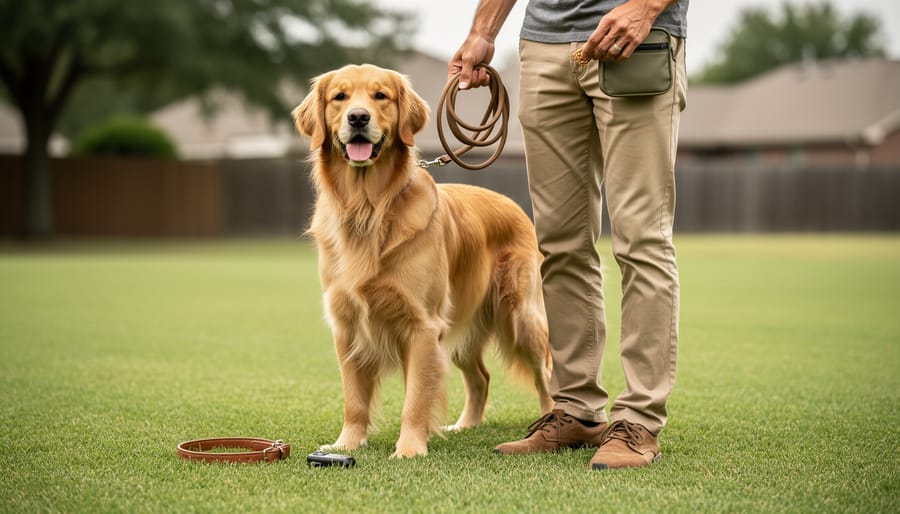
Good dog training on Long Island starts the same way it does anywhere: you pick a trainer who fits your dog’s age and goals, confirm the details directly, and start with short, rewarding sessions. Plan on a few weeks of steady practice, and expect it to feel easy if you keep things fun.
This guide gives you a step-by-step method and a checklist for judging any local trainer. I’m an Ottawa-based dog blogger, so I won’t pretend to know Long Island’s trainers, locations, or schedules. You’ll need to confirm those yourself, and I’ll show you exactly what to ask.
To give you a real-world yardstick, we’ll look at how one trainer in London, Ontario structures things. Private 30-minute sessions run $70 plus HST, covering skills like recall, stay, and walking. Their puppy pack for pups 8 to 16 weeks old comes as 3 sessions for $350 or 6 for $650, plus HST. Use those numbers as a baseline when you compare quotes.
What to Gather Before You Book Any Dog Training

Before you contact any trainer, a little prep makes the whole process smoother. Whether you’re calling someone on Long Island or booking a session closer to home here in Ottawa, a trainer can get to work faster when you arrive with the right information and a few simple tools. Here’s a friendly checklist to get ready:
- Your dog’s age and vaccination records, which many trainers will ask to see, especially for puppies.
- A short list of goals, such as better recall, calmer leash walking, or a few fun tricks.
- High-value treats your dog truly loves, because small, tasty rewards keep training upbeat.
- A flat collar or well-fitted harness, plus a standard leash for safe, comfortable handling.
- A notebook or your phone for jotting down cues, questions, and progress between sessions.
You don’t need fancy gear. A comfortable, secure fit matters far more than anything high-tech, and a standard leash gives you steady control without confusion for your dog. Think about treats too: soft, smelly, pea-sized pieces work best, since your dog can swallow them quickly and get right back to learning.
Your goals list doesn’t have to be long. Two or three clear priorities help a trainer shape sessions around what you actually want, instead of guessing. If you’re unsure where to begin, simply write down the moments that frustrate you most on a typical day.
Here in Ottawa, you can pick up quality treats, harnesses, and leashes through our pet food and accessories offerings, so your kit is ready before your first session.
Keep Training Positive: Safety Notes and When to Pause

Good training should feel like a game your dog is happy to play. Whether you’re working with a trainer in Ottawa, Long Island, or anywhere else, a few gentle signals tell you whether a session is going well.
Watch your dog’s body language. If your pup is shutting down, turning away, yawning repeatedly, licking their lips, tucking their tail, or refusing treats they normally love, they’re telling you they’ve had enough. Fatigue counts too. Short, upbeat sessions of about five to ten minutes at home, ending while your dog is still keen, usually work better than one long push. Keep the leash loose, avoid sudden tugs, and use a well-fitted flat collar or harness so every walk stays comfortable.
If your dog still seems uneasy after a few sessions, or a trainer pushes past those stress signals, it may not be the right fit. For puppies, don’t skip vet clearance before socialization especially before any group exposure. And since credentials, locations, and requirements vary from one provider to the next, ask each trainer directly instead of assuming. If you’d like to understand what qualifications look like, here’s a helpful guide on how to choose a certification.
Step-by-Step: Finding and Booking the Right Training Sessions
Step 1: Match the Training to Your Dog’s Age and Needs
The right starting point depends on your dog’s age and what you want to work on. If your dog is a young puppy, a puppy-focused package makes sense. In the London, Ontario example, the puppy pack is for puppies 8 to 16 weeks old and covers housetraining, crate training, puppy nipping, drop and leave games, puppy fitness, and basic obedience.
For an older pup or adult dog, short private sessions may be a better fit. They’re great for fun skills like recall (coming when called), stay, wait, drop (letting go of an item), and leave (ignoring something tempting). You can also add mental enrichment, which simply means brain games that keep your dog thinking. Work on walking on leash here too.
One thing to keep in mind: sessions like these focus on fun skills and walking foundations, not serious behaviour concerns. If you have bigger worries, ask a trainer directly what they can help with.
Steps 2 to 4: Check Requirements, Book, and Show Up Ready
Before you book, ask whether the trainer requires a consultation or prepayment. Some do, some don’t, and it’s far easier to learn that up front than at the door. Locations, schedules, and requirements also vary from one provider to the next, so please confirm each one directly with the trainer instead of assuming. Anything you can’t verify is worth a quick call or message.
Once you’re clear on the details, go ahead and book. Pick a time when your dog is typically calm and not right after a big meal, and bring your leash, treats, and notebook.
Then show up ready to practice, not just watch. Short, upbeat daily practice works better than one long weekly push. Five minutes a day, once or twice, is plenty. Try a single skill at a time, like a recall or a “leave it,” and end on a win so your dog stays keen to learn.
A Real-World Example: What Dog Training London, Ontario Offers
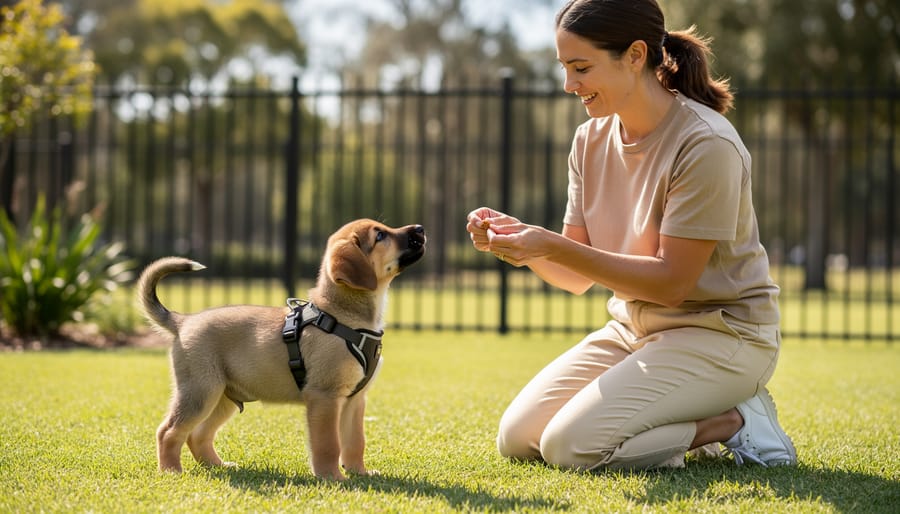
What the Puppy Pack Includes
Picture a bundle of fluff who is 8 to 16 weeks old and has a lot to learn. The puppy pack is built for exactly that stage. It covers housetraining, crate training, and puppy nipping, so those tiny teeth stop finding your fingers so interesting. It also includes fun games that teach “drop” and “leave,” puppy fitness, and basic obedience. If you’re also exploring potty training with a bell it’s a nice companion skill to practice at home.
The pack also comes with email or text support, handouts, and instructional videos. That matters because the real learning happens between sessions. New puppy owners often hit questions on a Tuesday evening, not during a lesson. Having a place to ask, plus videos to rewatch, keeps you confident and your puppy on track.
Searching for Dog Training on Long Island or Elsewhere? Use This Checklist
Whether you’re hunting for dog training on Long Island or anywhere else, a few good questions will tell you most of what you need to know. I can’t point you to specific Long Island trainers, but I can help you size up whoever you find. Here’s what to ask:
- Which skills are covered, such as recall, loose-leash walking, or puppy basics?
- How long is each session?
- What’s the total cost, and are taxes extra?
- Is there a minimum or maximum age for the class or package?
- Is there support between sessions, like email, text, handouts, or videos?
- How is progress tracked, and what happens if your dog needs more help than expected?
To build your shortlist, check local trainer listings, ask your vet for recommendations, and chat with dog owners at local parks and community groups. Real-world word of mouth is hard to beat. When you compare trainers, line up their answers side by side, just like the London, Ontario pricing above.
Ottawa readers have a head start. You can lean on this blog and our own training and daycare services for local guidance, and our post on dog daycare expectations is a great place to start.
How to Tell Your Training Is Working (and What to Do Next)
Progress in dog training rarely arrives in one big leap. It shows up as small, steady changes, and those are the ones worth watching for.
Look for quicker responses to cues, so your dog turns toward you faster when you say “come” or “leave it.” On walks, you may notice a calmer, looser leash and fewer sudden pulls. For puppies, nipping moments become less frequent and easier to redirect. You might also see more confidence, like a pup who settles in a crate or greets new people without worry.
A simple weekly check-in helps. Pick one day, jot down what went well, which cues need work, and how your dog felt during practice. A phone note is plenty. Compare it with last week and you’ll spot trends you’d otherwise miss.
If progress is steady, keep going. If one skill keeps stalling, an extra session may help. If your dog seems stressed or shows behaviour concerns beyond fun skills and walking foundations, ask a vet or qualified professional about a different type of support. Be patient, and celebrate every small win.
Common Questions About Choosing Dog Training
How early can a puppy start training?
Very early. The London, Ontario puppy pack we looked at is designed for puppies 8 to 16 weeks old, covering housetraining, crate training, puppy nipping, and basic obedience. Check with your vet about vaccinations before group exposure.
What can I work on in a 30-minute private session?
That London, Ontario trainer uses these for fun skills like recall, stay, wait, drop, leave, tricks, mental enrichment, and walking foundations. They aren’t meant for serious behaviour concerns.
How much should I expect to pay?
Prices vary by provider and area. For one real example, that trainer charges $70 + HST for a 30-minute private session, and the puppy pack is $350 + HST for 3 sessions or $650 + HST for 6.
How do I find a trainer on Long Island or in my own area?
Start with your vet’s recommendations and local dog communities, then ask each trainer the checklist questions from earlier. Confirm locations, credentials, and requirements directly, since those details differ for every provider.
As for whether one session is enough, it depends on your goals. One session can introduce a skill, but practicing a little each day is what makes it stick, so many owners book a few sessions and build from there.
Choosing dog training comes down to a few simple steps. Get to know your dog’s age, needs, and goals. Ask the right questions about what’s covered, how long sessions run, what it costs, and what support you get between visits. Then book, practice a little each day, and watch for small wins like calmer walks and quicker responses.
The same method works whether you’re on Long Island, in London, Ontario, or right here in Ottawa. Details like locations, schedules, and requirements vary by trainer, so always confirm them directly.
If you’re in Ottawa, we’d love to help. Explore our training, grooming, and daycare services, and keep browsing the blog for more expert-backed care tips for your dog.