

If your dog has a food sensitivity, the safest treat is one with a short, simple ingredient list that your vet has already signed off on, and “hypoallergenic” on the bag doesn’t guarantee that. The word has no single legal definition for pet treats, so it works best as a starting point for your search, not a promise.
In the interest of transparency, we earn a commission on some purchases made through links on this site. As an Amazon Associate I earn from qualifying purchases.
You’ve probably seen the headlines about Hill’s lately, including a voluntary recall of certain canned dog food over elevated vitamin D levels and an ongoing lawsuit involving the brand. It’s natural to wonder what that means for your dog’s treat jar. The calm answer is to check any recall notice against the exact product and lot in your pantry, and ask your vet before switching anything.
In this guide, we break down what to look for on a label, how common treat types compare, and how options like Hill’s Science Diet Adult Sensitive Stomach & Skin Canned Dog Food Arden Grange Crunchy Bites Sensitive Dog Treats and Natures Deli Chicken Paste for Dogs fit into a sensitivity-friendly routine. We’ll also look at how food-dispensing toys can stretch a few treats into a longer, calmer reward, plus the common mistakes that trip up well-meaning owners across Ottawa. Think of it as a friendly, vet-minded shortcut to treats you can feel good about.
What ‘Hypoallergenic’ Really Means for Dog Treats

“Hypoallergenic” sounds like a promise, but it really just means a treat is made to contain fewer ingredients that commonly cause reactions. It doesn’t mean zero allergens, and no label can guarantee that every dog will do well on it. Think of it as a helpful starting point, not a finish line.
It also helps to know the difference between a food allergy and a food sensitivity. A true allergy involves the immune system and often shows up as itchy skin, ear trouble, or paw licking. A sensitivity, sometimes called an intolerance, usually affects digestion, with gas, loose stools, or an upset tummy. The signs can overlap, which is why guessing at home often leads nowhere.
That’s where a vet-guided elimination approach comes in. Your vet may suggest feeding a simple diet, and only approved treats, for several weeks, then reintroducing ingredients one at a time. It’s slow, but it shows you exactly what your dog can and can’t handle.
You’ll run into a few terms along the way:
– Limited ingredient: a short recipe with fewer components, so there’s less to sort through if something disagrees with your dog.
– Novel protein: a protein your dog hasn’t eaten before, such as duck or venison, which is less likely to trigger a reaction.
– Hydrolyzed protein: protein broken into tiny pieces so the immune system is less likely to recognize it as a threat. These are typically found in vet-prescribed diets.
If you’re in Ottawa, a quick chat with your local vet before switching treats is always worth it. They know your dog’s history and can point you toward options that suit your pup, which takes the guesswork out of treat time.
Key Buying Factors for Sensitive-Dog Treats and Food-Dispensing Toys

Reading the Ingredient Label with Confidence
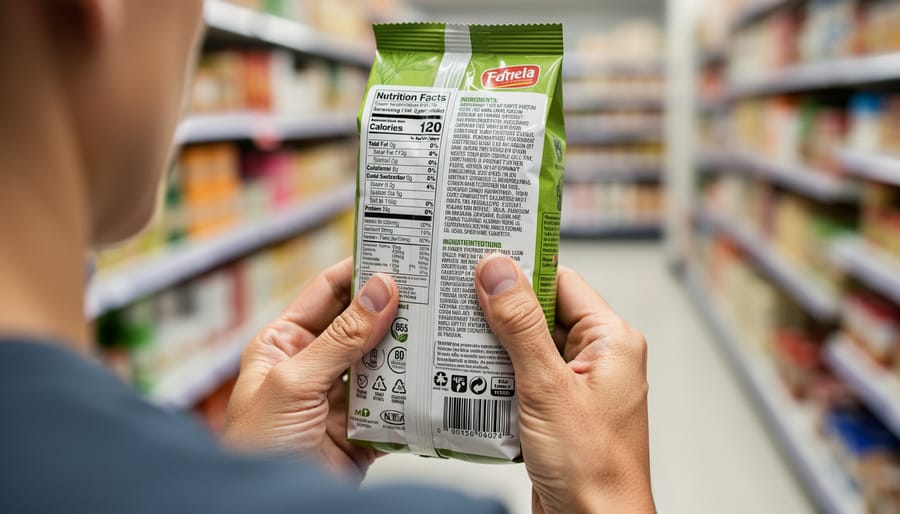
Scanning a treat label gets easier once you know where to look. Start with the first ingredient: you want a named protein source, like chicken, lamb, or fish, right at the top. A short list is usually a good sign, especially when the fillers are kept to a minimum.
Next, watch for vague wording. Terms like “meat by-products” or “natural flavours” don’t tell you which animal or ingredient is actually inside, which makes it hard to rule out your dog’s triggers. If your vet has flagged chicken or beef, a fuzzy label can hide exactly what you’re trying to avoid.
A few quick checks help:
– Look for one clearly named protein, not a mystery blend.
– Compare the list against your vet’s trigger notes.
– Note the serving size so you can calculate treat calories and feed the right amount at mealtime.
– Keep easy cleanup in mind and build it into your cleaning schedule.
Ingredient details can differ between products, and even between flavours from the same brand, so always confirm on the package in your hands. Once the label checks out, you can choose dispensing toys that suit the treat you’ve picked.
Matching Treat Texture to the Toy
Texture decides whether a treat works in a toy or just makes a mess. Crunchy bites are best in puzzle balls, since they roll out one at a time as your dog nudges the ball around. Small soft treats can be pressed into stuffable rubber toys, where they stay put and take real effort to dig out. Chewy treats are better as a stand-alone reward, because they tend to jam narrow openings.
Paste is the easy winner for lick mats. Spread it thin and your dog gets a slow, calming session. It also works for smearing the inside of a rubber toy. Snuffle mats suit small, dry treats that hide well in the fabric folds.
Whichever you choose, pick a size and texture that fits the toy’s opening. If you’re about to buy a food-dispensing toy bring a sample of your dog’s usual treat to test the fit.
Types of Treats Compared: Crunchy, Soft, Chewy, and Paste

Not every treat style works for every dog, or every toy. Here’s how the four main types stack up for sensitive pups, and the right choice often comes down to what you want the treat to do.
Crunchy treats are tidy and easy to portion, which makes them a good fit for puzzle balls and treat-dispensing toys. Soft, semi-moist treats are small and quick to swallow, so they shine during training sessions and also load easily into puzzle dispensers. Chewy treats keep a dog busy for longer, which is handy for solo time, though they call for supervision and the right size. Paste-style rewards spread smoothly onto lick mats and into stuffable toys, and the licking itself tends to be calming.
| Treat type | Best toy pairing | Best use | Key consideration for sensitive dogs |
|---|---|---|---|
| Crunchy | Puzzle balls, treat-dispensing toys | Enrichment, light training | Check that the pieces fit your toy’s opening and the ingredient list stays short |
| Soft | Puzzle dispensers, snuffle mats | Training sessions | Easy to overdo, so count them toward the daily calorie budget |
| Chewy | Chew-friendly, sturdy toys | Long solo enrichment | Supervise new chews and match the size to your dog |
| Paste | Lick mats, stuffable rubber toys | Calm-down time | Confirm the protein source against your dog’s known triggers |
Wet food can also double as a stuffing option. Spooned into a stuffable toy, it works much like a paste, and some owners freeze the filled toy for a longer-lasting challenge. The key is to ask your vet first, especially if your dog is on a prescription or sensitivity-focused diet. Since stuffing counts as part of a meal, reduce the regular portion a little so the daily total stays balanced.
Whichever style you pick, change one thing at a time so you can spot any reaction easily.
What’s Happening with Hill’s: A Quick, Fair Look at Recent News
If you’ve been searching for Hill’s hypoallergenic treats lately, you’ve probably noticed some headlines about the brand. Here’s a calm, fact-based look at what’s been reported, so you can make decisions without the noise.
First, a recall. Hill’s Pet Nutrition expanded a voluntary recall of certain canned dog food products because of elevated levels of vitamin D. The FDA was investigating the presence of elevated, potentially toxic levels of vitamin D across the expanded recall, which covers 85 total lots of 33 varieties of Hill’s canned dog food. A voluntary recall is a step a company takes to pull products from shelves, and it’s worth taking seriously, but it applies only to the specific products and lots named in the notice.
Second, a legal dispute. In February 2024, Keto Natural Pet Food filed a lawsuit against Hill’s. The suit claims that Hill’s and partner veterinarians fabricated a connection between grain-free and small-brand pet foods and DCM (dilated cardiomyopathy, a heart condition) in dogs. The court initially dismissed the lawsuit, and Keto Natural appealed. We can’t predict how it will unfold, and the claims in it are still just that, claims.
Third, some forward-looking news. Hill’s Pet Nutrition and Bond Pet Foods received an FDA No-Objection Letter for the first animal protein produced via precision fermentation for pet food. Put simply, it’s a new way of making a protein ingredient, and it’s a separate story from the recall.
That’s the extent of what’s been verified, so we won’t read more into it than that. If a headline has you second-guessing your pantry, your vet is the best person to talk to, and your local Ottawa pet food retailer can also help you find the most current recall information.
Our Top Picks for Sensitive Dogs, Reviewed
IAMS PROACTIVE HEALTH Adult Wet Dog Food: A Soft Stuffing Option

IAMS PROACTIVE HEALTH Adult Wet Dog Food in Chicken & Beef Flavour comes in a 4.42kg pack, and it’s in stock right now. Customers have rated it 4.4 out of 5 from 32 ratings, so the sample is small, but the feedback is positive.
Its soft, spoonable texture is what makes it handy for toy time. If your vet is happy for your dog to have it, you can pack it into a stuffable rubber toy to turn a regular meal into a slower, more engaging one. It suits adult dogs who tolerate chicken and beef well and enjoy a mealtime challenge.
Before you buy, check the ingredient list against your dog’s trigger list, since we can’t confirm those details here. And count anything you stuff into a toy as part of the daily meal total, not an extra.
Caledon Farms Sweet Potato Chews for Long-Lasting Chew Time

Caledon Farms Sweet Potato Chews come in a 265 g pack and are in stock. They carry a customer rating of 4.2 out of 5 from 4,840 ratings, which is a lot of feedback to lean on. The name points to a simple, sweet potato-style chew, so it’s a good one to bring up with your vet if your dog needs a short ingredient list. Always read the package yourself and check it against your dog’s trigger list.
Chews like these work well alongside sturdy, chew-friendly toys, so treat time stretches out and feels like an activity. Pick a chew that suits your dog’s size, since a piece that’s too small can be swallowed whole. Stay close while your dog works on it, and take away any small leftover pieces. Chews count toward the daily food budget too, so factor them in.
Hill’s Science Diet Adult Sensitive Stomach & Skin Canned Dog Food: A Vet-Familiar Choice

Hill’s Science Diet Adult Sensitive Stomach & Skin Canned Dog Food is designed with sensitive tummies and skin in mind, which is why it’s a familiar name in many vet clinics. Shoppers rate it 4.5 out of 5 from 1,071 customer ratings, and it’s currently in stock.
Because Hill’s has been in the news, take one extra step before you buy. Look up the current recall information for the exact product and lot number printed on the can. Your vet or local Ottawa pet food retailer can help you check.
If your vet signs off, a spoonful of this canned food can also work as a soft base for a stuffable toy. Count it as part of your dog’s daily meals, and confirm it suits your dog’s known triggers first.
Crumps’ Naturals Mini Trainers: Small Lamb Treats for Puzzle Toys

Crumps’ Naturals Mini Trainers (Lamb, semi-moist, 132 g) are tiny, soft treats, which makes them a handy fit for training and for loading into puzzle dispensers. Because they’re small and pliable, they drop easily through treat balls and fit into the compartments of many puzzle toys without jamming. That also means you can reward often without piling on bulk.
Customers have rated them 4.6 out of 5 from 952 ratings, and they’re currently in stock.
One thing to keep in mind: lamb is a protein that some dogs tolerate differently than others. For some it’s a welcome change, and for others it may not agree. Check with your vet before introducing it, especially if your dog has a sensitive stomach, and count these treats toward the daily food budget.
Arden Grange Crunchy Bites Sensitive Dog Treats: A Crunchy Fish-and-Potato Pick

Arden Grange Crunchy Bites Sensitive Dog Treats are a crunchy, sensitivity-focused option built around ocean white fish and potato, and they come in a 225 g pack. In this roundup, they carry the highest customer rating, 4.7 out of 5 from 215 ratings, and they’re currently in stock. That’s a lovely result, though it’s worth remembering that ratings reflect many different dogs, not yours specifically.
The small, crisp pieces suit treat-dispensing balls well, since they tumble out gradually and keep your dog working for each reward. They also make handy training treats, as they’re easy to portion out. Fish is a protein some dogs tolerate differently, so check the package ingredients against your dog’s known triggers and run the switch by your vet first.
Natures Deli Chicken Paste for Dogs: A Lick Mat and Stuffing Favourite

Paste-style rewards earn their spot in a sensitive dog’s routine because they spread, smear and stuff so easily. Natures Deli Chicken Paste for Dogs comes in a 100g pack and is labelled hypoallergenic. It holds a 4.4 out of 5 rating from 221 customer ratings, and it’s currently in stock.
The texture is the real draw. It spreads smoothly across a lick mat and presses into the hollow of a stuffable rubber toy, which turns a quick treat into a slow, calming activity. Licking is soothing for many dogs, so this suits quiet time after a walk.
Here’s a gentle reminder: “hypoallergenic” on the label is a helpful starting point, not a promise. Check the ingredient list against your dog’s known triggers, and loop in your vet before adding anything new.
Hill’s Pet Nutrition: What to Know About the Brand Behind the Search
Hill’s Pet Nutrition is a veterinary-associated brand, which is a big reason its name comes up whenever owners search for sensitive-stomach or hypoallergenic options. Two recent headlines are worth knowing about, and both are easy to keep in perspective.
First, Hill’s expanded a voluntary recall of certain canned dog food products because of elevated vitamin D levels. The FDA was looking into 85 lots across 33 varieties. Second, Hill’s and Bond Pet Foods received an FDA No-Objection Letter for the first animal protein made through precision fermentation for pet food, which is a separate story about where pet nutrition may be heading.
Neither tells you how a particular product will suit your dog. The calm takeaway is a practical one: check current recall notices for any canned food you already own, and keep your vet in the loop before changing what your dog eats or snacks on.
Keto Natural Pet Food: The Company at the Centre of the Lawsuit
Keto Natural Pet Food is a pet food company, and it’s the party that filed the lawsuit against Hill’s in February 2024. The suit claims that Hill’s and partner veterinarians fabricated a connection between grain-free and small-brand pet foods and DCM (dilated cardiomyopathy, a heart condition) in dogs. The court initially dismissed the case, and Keto Natural has since appealed.
Here’s the calm way to read all this: it’s an ongoing legal dispute, and neither side’s claims have been settled in a way we can report. We won’t guess at how it turns out, and you don’t have to either.
What matters for your dog is that headlines move fast and rarely tell the whole story. Your vet knows your dog’s health history, any sensitivities, and what’s actually working at mealtime and treat time. If a news story has you second-guessing your dog’s diet, book a quick chat with your vet before changing anything.
Which Pick Fits Which Dog? Recommendations at a Glance

Every dog is different, but here’s a quick way to match a pick to your dog’s day. All ratings below are customer ratings out of 5.
Training sessions: Crumps’ Naturals Mini Trainers (4.6 from 952 ratings) are small and semi-moist, so they work well for quick rewards and for loading into puzzle dispensers. Arden Grange Crunchy Bites (4.7 from 215 ratings) are crunchy and suit treat-dispensing balls.
Long solo-time enrichment: Caledon Farms Sweet Potato Chews (4.2 from 4,840 ratings) are made for longer chew time. Offer them with supervision and check the size against your dog first.
Lick mat calm-down time: Natures Deli Chicken Paste (4.4 from 221 ratings) spreads easily on a lick mat and packs neatly into stuffable toys, which makes it a good fit for winding down after a walk.
Stuffable toy fillers: IAMS PROACTIVE HEALTH Adult Wet Dog Food (4.4 from 32 ratings) and Hill’s Science Diet Adult Sensitive Stomach & Skin Canned Dog Food (4.5 from 1,071 ratings) can fill rubber toys when your vet is comfortable with them. If you go with the Hill’s canned food, check the current recall notices for your specific product and lot first.
Whichever you choose, count treats and toy fillers toward your dog’s daily calories, and change one thing at a time so you can spot any reaction.
Common Mistakes to Avoid When Shopping for Sensitive-Dog Treats and Dispensing Toys
Shopping for a dog with a sensitive system can feel like a lot of guesswork, so here are the most common slip-ups and how to sidestep them. Nobody gets this perfect on the first try, and every one of these is easy to fix.
- Assuming “hypoallergenic” means allergy-proof: treat the label as a helpful starting point, then check the ingredient list against your dog’s known triggers.
- Switching several products at once: change one thing at a time so you can tell what your dog is reacting to.
- Forgetting treat calories: count treats and any stuffing as part of the daily food total.
- Overfilling toys: fill loosely enough that the good stuff comes out with a little effort, not a lot of frustration.
- Choosing a toy that’s too small or too tough: match size and firmness to your dog’s mouth and chewing style.
- Skipping supervision with new chews: stay close the first few times until you see how your dog handles it.
- Ignoring recall notices: check current announcements for any food or treat before you buy or reopen a bag.
That last one matters more than usual right now. Hill’s Pet Nutrition expanded a voluntary recall of canned dog food because of elevated vitamin D levels, so a quick look at the latest notice for the specific product and lot is time well spent, whatever brand you choose.
A few of these fixes also go hand in hand. If you’re introducing a new treat, keep everything else in the bowl steady for a couple of weeks. And if your dog takes medication, it helps to know how to hide pills in treats without upsetting a delicate tummy. Ask your vet which treat suits both purposes, since a sensitive dog shouldn’t be handed an unfamiliar ingredient just to make pill time easier.
Frequently Asked Questions About Hypoallergenic Treats and Food-Dispensing Toys
Are Hill’s hypoallergenic treats safe?
Safety depends on the specific product and your dog’s own triggers, so it’s worth checking the label with your vet. Hill’s expanded a voluntary recall of some canned dog food over elevated vitamin D levels, so look up current recall notices for any product and lot before you buy.
What makes a dog treat hypoallergenic?
It usually means a shorter, simpler ingredient list with fewer common triggers. It isn’t a promise of “zero allergens,” so always compare the ingredients to what your vet has flagged for your dog.
Can I put wet food in a dispensing toy?
Yes, many owners do, as long as your vet is comfortable with that food for your dog. Count it as part of the daily meal so treat time doesn’t add extra calories.
Should I talk to my vet before switching treats?
It’s always a good idea, especially if your dog has itchy skin or an upset tummy. Introduce one new item at a time so you can tell what’s helping and what isn’t.
Not sure where to start with vet-recommended options in Canada? Your Ottawa vet is the best first stop, and the team at your local pet nutrition shop can happily talk through what’s on the shelf. Bring your dog’s trigger list along, and treat time can be calm, simple, and a little more rewarding for everyone.
At the end of the day, the best treat for a sensitive dog is a simple one your vet feels good about. Pair it with a food-dispensing toy that suits your dog’s size and chewing style, and treat time becomes slower, calmer and a lot more rewarding for both of you.
A few easy habits go a long way. Before you buy, check the current recall notices for any product you’re considering, since those can change. Introduce one new thing at a time, count treat calories in the daily food budget, and keep an eye on your dog the first few times they tackle a new toy or chew.
If you’d like a second opinion, ask the local team about vet-recommended options and expert nutrition advice. We’re always happy to talk through what might suit your dog, whether that’s a lick mat for quiet evenings or a puzzle ball for busy afternoons.
When you’re ready for more, have a wander through our grooming, training and nutrition resources. Here’s to happy tummies and wagging tails across Ottawa!