
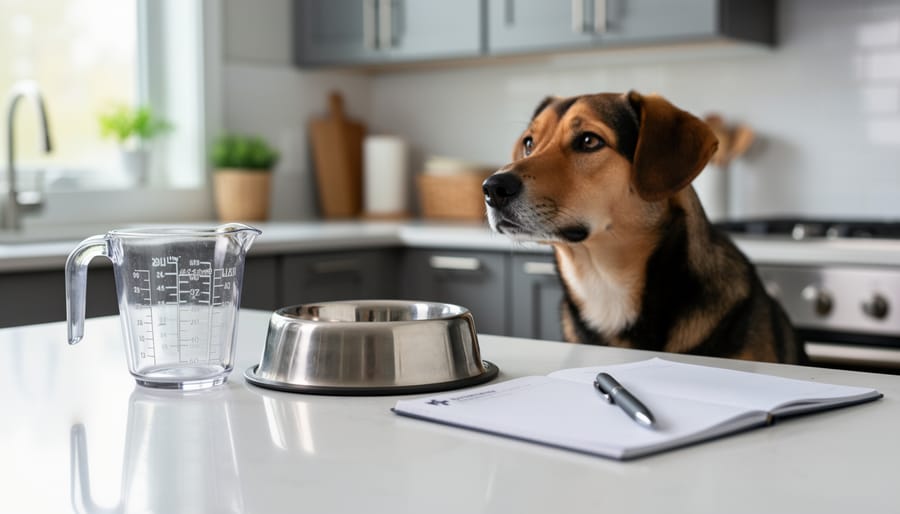
The Pet Nutrition Alliance Calorie Calculator helps you determine exactly how many calories your dog or cat needs each day by entering your pet’s weight, body condition score (on a nine-point scale), and current diet details. This free, veterinarian-developed tool takes the guesswork out of portion control, giving you a personalized daily calorie target and cup measurements based on your chosen food. Most pet owners in Ottawa complete the assessment in under five minutes, but you’ll need to evaluate your pet’s body condition first, since the calculator relies on accurate scoring to distinguish between a pet who needs to lose weight and one maintaining a healthy size.
Understanding your pet’s true caloric needs matters more than ever in 2026, as veterinary professionals continue to see rising rates of pet obesity across Canada. The challenge isn’t just feeding less or more; it’s feeding the right amount for your individual animal. Generic feeding charts on pet food bags often recommend ranges too broad to be useful, and they don’t account for whether your pet is spayed or neutered, overweight, or particularly active.
The Pet Nutrition Alliance calculator addresses these gaps by asking targeted questions about your pet’s current condition and lifestyle. You’ll provide your pet’s weight, assess their body shape using the nine-point body condition scoring system (where 1 is severely underweight, 5 is ideal, and 9 is severely obese), indicate spay or neuter status, and enter details about current and planned foods. The calculator then generates a customized calorie recommendation and portion size, helping you transition to proper feeding amounts without the confusion of trial and error. For Ottawa pet owners working with their veterinarian on weight management or simply wanting to feed more precisely, this tool offers a science-backed starting point that you can adjust as your pet’s needs change.
What You’ll Need Before You Start
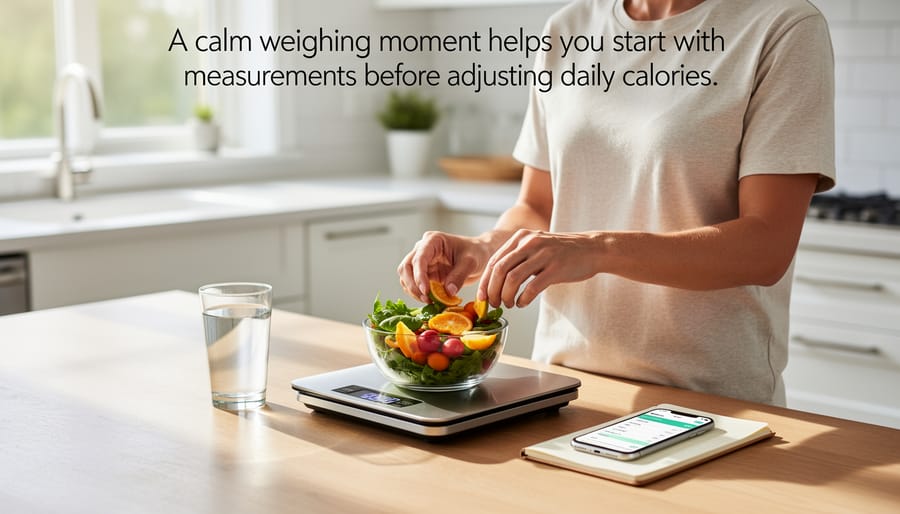
Before you open the Pet Nutrition Alliance Calorie Calculator, gather a few key pieces of information about your dog. Having these details ready will make the process smooth and ensure you get accurate results tailored to your pet’s specific needs.
Here’s what you’ll need:
- Your dog’s current weight in pounds or kilograms
- Whether your dog is spayed or neutered
- An assessment of your dog’s body condition score on the nine-point scale
- Your dog’s current daily calorie intake, if you’re tracking it
- Information about the new food you’re considering, including calories per cup or can
- A decision about whether you want to include treats in the daily calorie budget
Don’t worry if you don’t have every detail. For instance, many Ottawa dog owners don’t track their pet’s current calorie intake, and the calculator can still provide useful guidance without this number. The most critical pieces are your dog’s weight and an honest assessment of their body condition.
If you’re unsure about your dog’s body condition score, take a moment to observe them from above and from the side. Can you see a waist? Can you feel their ribs easily without pressing hard? These observations will help you choose the right score when you reach that step in the calculator. You’ll also want your dog food bag handy so you can find the calorie information, which is typically listed on the back panel as kilocalories per cup or can.
Important Considerations Before Calculating
Before you use the Pet Nutrition Alliance Calorie Calculator, take a moment to consider whether your dog needs veterinary guidance first. While the calculator provides science-based estimates, it’s a starting point for healthy dogs, not a substitute for professional advice tailored to your pet’s unique needs.
Puppies and senior dogs also deserve extra caution. Growing puppies need different calorie ratios to support development, and their needs change rapidly as they mature. Senior dogs often have slower metabolisms and age-related health concerns that affect how they process food. For both groups, your vet can help you interpret calculator results appropriately for their life stage.
If your dog is significantly overweight or underweight, work with your vet to create a weight management plan rather than making drastic changes on your own. Rapid weight loss can be dangerous, particularly for dogs carrying extra pounds, while underweight dogs may need medical evaluation to rule out underlying issues before you increase their food.
Always transition to new portion sizes gradually over seven to ten days. Sudden changes in food amounts can upset your dog’s digestive system, leading to vomiting, diarrhea, or refusal to eat. Mix the new portion size with the old, slowly adjusting the ratio each day until you reach the calculator’s recommendation.
Think of the calculator as your baseline. You’ll adjust based on what you observe: your dog’s energy level, weight changes, coat quality, and overall condition. Those real-world signs tell you whether the numbers are working for your specific dog in your Ottawa climate and lifestyle.
Understanding Body Condition Score
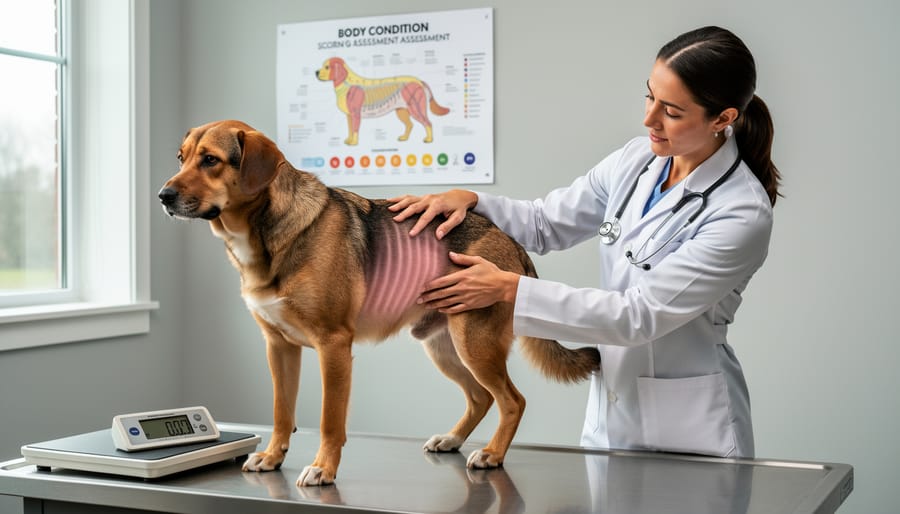
Body condition score (BCS) is a standardized way to evaluate your dog’s body fat and overall shape, regardless of breed or size. While two dogs might weigh the same amount, one could be perfectly healthy while the other carries excess weight, that’s where BCS comes in. The Pet Nutrition Alliance Calorie Calculator uses this measurement because it gives a more complete picture of your dog’s nutritional needs than weight alone.
The calculator uses a nine-point scale system, where 1 represents severely underweight and 9 represents obese. Most healthy dogs should score between 4 and 5, which indicates ideal body condition. This assessment focuses on three main areas: ribs, waist, and abdominal tuck.
Here’s how to evaluate your dog on the nine-point scale:
Underweight (BCS 1-3): Ribs, spine, and hip bones are easily visible, even from a distance. There’s no palpable fat covering the ribs, and your dog has a severely pronounced waist and abdominal tuck. Dogs at this level need immediate veterinary attention.
Ideal (BCS 4-5): You can feel the ribs easily with light pressure, but they’re not prominently visible. Your dog has a visible waist when viewed from above and a noticeable abdominal tuck when viewed from the side. This is the target range for most dogs.
Overweight to Obese (BCS 6-9): Ribs are difficult to feel under a layer of fat. The waist is barely visible or absent entirely, and there’s little to no abdominal tuck. At higher scores, fat deposits become visible over the back and tail base.
To assess your dog, run your hands along their ribcage with gentle pressure. You should feel the ribs without pressing hard, similar to feeling your knuckles when making a loose fist. Stand above your dog and look for an hourglass shape at the waist. Then view from the side to check for that upward slope from chest to hind legs.
Getting this score right matters because the calculator adjusts calorie recommendations based on whether your dog needs to lose, gain, or maintain weight.
Step-by-Step: Using the Calculator
Entering Your Dog’s Weight and Body Condition
Start by locating the weight input field in the calculator. Enter your dog’s weight using the number your vet provided or from your most recent home weigh-in. The calculator accepts weight as a simple numerical entry, so just type in the amount, no need to overthink it.
Next, you’ll select your dog’s body condition score from the dropdown menu. The calculator uses a nine-point scale, where 1 represents severely underweight and 9 indicates obese. Based on the assessment you did earlier (following the guidance in the previous section), choose the number that matches your dog’s current body condition. If you determined your dog is at ideal weight with ribs easily felt and a visible waist, you’ll typically select 4 or 5. For a dog carrying extra weight with ribs difficult to feel, you might choose 7 or 8.
Take your time with this selection, it directly affects the calorie recommendation. The calculator adjusts the suggested intake based on whether your dog needs to lose weight, maintain, or gain. If you’re uncertain between two scores, it’s safer to start with the lower number and monitor your dog’s progress over the following weeks.
Spay/Neuter Status and Current Calories
Spayed and neutered dogs typically need about 25-30% fewer calories than intact dogs because the procedure changes their metabolism and reduces certain hormone-driven energy needs. The calculator asks about your dog’s spay/neuter status to account for this difference and provide a more accurate calorie target.
If you’re already tracking what your dog eats, add up the calories from all daily food and treats to enter your current intake. Check your dog food bag for calories per cup or per kilogram, then multiply by the amount you feed. Don’t forget to include treats, table scraps, and training rewards, these add up quickly and are part of the total.
If you don’t know your dog’s current calorie intake, that’s fine. Leave this field blank or enter zero. The calculator will still generate a recommended daily amount based on weight, body condition score, and spay/neuter status. You’ll use that recommendation as your new feeding baseline, then monitor your dog’s response over the following weeks to confirm the amount is working.
Selecting Your Dog’s Food and Treat Allowance
Finding the calorie content of your dog’s current or new food is usually straightforward. Most commercial dog foods list calories per cup or per kilogram on the packaging, often near the guaranteed analysis panel. If it’s missing, check the manufacturer’s website or call their customer service line.
When you enter the new recommended food details into the calculator, you’ll need both the food name and its calorie density. This step matters because different foods vary dramatically in calories, premium foods might pack 400 calories per cup while others contain 300, which changes how much you’ll actually scoop into the bowl.
The calculator also accounts for spayed or neutered status and asks whether you want to include a treat allotment. If your dog gets regular training rewards or enjoys food-dispensing toys selecting yes ensures those calories count toward the daily total rather than sneaking in as extras that derail your feeding plan. A common approach is reserving 10 percent of daily calories for treats, letting you adjust meal portions down slightly to maintain balance.
Reading Your Results
Once you’ve entered all your information, the calculator displays your dog’s recommended daily calorie target. This number represents the total calories your dog should consume each day to maintain a healthy weight based on the body condition score and activity factors you selected.
The result typically appears as a single calorie amount, for example, 850 calories per day. If you entered your new food’s calorie content, the calculator may also show the corresponding portion size in cups or grams. This portion tells you exactly how much of that specific food to feed daily to meet the calorie target.
Remember that this portion assumes you’re feeding only that food. If you selected a treat allotment, the calculator accounts for those calories separately, so you’ll need to reduce the food portion slightly to stay within the total daily target. Check the results carefully to understand whether treats are already factored in or need to be subtracted from the food amount yourself.
What to Do With Your Results
Getting results from the calculator is just the first step. The real work lies in monitoring how your dog responds to the new feeding amounts and adjusting as needed.
Start by transitioning gradually to any new portion sizes. If the calculator recommends reducing your dog’s food, cut back by no more than 10-15% per week. Sudden changes can upset your dog’s stomach and leave them feeling hungry and anxious. Spread the daily calories across two or three meals to help your dog feel satisfied throughout the day.
Track your dog’s progress by weighing them on the same scale at the same time of day. Weekly weigh-ins work well for dogs actively losing weight, while monthly checks suit dogs maintaining their ideal weight. Keep a simple log noting the date, weight, and any observations about your dog’s condition.
Watch for positive signs that indicate proper feeding. Your dog should maintain steady energy levels throughout the day, neither lethargic nor hyperactive. Their coat should look shiny and feel soft. You should be able to feel their ribs with light pressure but not see them prominently. Most importantly, they should seem satisfied after meals without constantly begging or scavenging.
If your dog seems constantly hungry, double-check your measurements. Many owners inadvertently add calories through training treats table scraps, or dental chews without accounting for them. A handful of treats can add 100 calories or more to your dog’s daily intake.
Recalculate every two to three months, or sooner if circumstances change. Weight loss or gain of more than 10%, changes in exercise routine, or reaching a new life stage all warrant returning to the calculator. If your Ottawa winter routine means less outdoor activity you might need to reduce portions until you can increase exercise again in spring.
When results seem off, trust your observations alongside the numbers. The calculator provides science-based estimates, but your individual dog might need slightly more or less. If your dog loses weight too quickly or seems hungry despite following recommendations exactly, adjust portions by 10% and monitor for another two weeks before making further changes.
Common Questions About the Pet Nutrition Alliance Calculator
How often should I recalculate my dog’s calorie needs?
Recalculate whenever your dog’s weight changes by more than 10%, when their activity level shifts significantly, or after spay/neuter surgery. For growing puppies, reassess every few weeks as they develop.
Does the calculator work for puppies and senior dogs?
The calculator works for adult dogs of all ages. Growing puppies have different nutritional needs that vary by breed and growth stage, so consult your vet for puppy-specific feeding guidelines rather than relying solely on this tool.
How do I account for training treats in my dog’s daily calories?
The calculator includes an optional treat allotment field. If you use treats regularly for training, select this option and the calculator will reduce the meal portion accordingly to keep total daily calories on target.
What if the recommended amount seems too high or too low?
Start with the calculator’s recommendation and monitor your dog’s weight and body condition over two to three weeks. If your dog gains or loses weight unexpectedly, adjust portions by 10% and reassess, or consult your vet if you have concerns about the results.
How do I handle switching between wet and dry food?
Enter the calorie content per cup or can for your new food type in the appropriate calculator field. The tool calculates portions based on calories, not food type, so it works equally well whether you’re feeding kibble, wet food, or a combination of both.
Many Ottawa dog owners wonder if they need to adjust calculator results for particularly active or sedentary dogs. While the calculator accounts for spay/neuter status, it doesn’t include separate activity level inputs. If your dog gets significantly more exercise than a typical pet, such as daily agility training or long hiking trips, you may need slightly more food than the calculator suggests. Similarly, a couch potato who barely moves might need a bit less. Watch your dog’s weight and body condition over time rather than making large adjustments immediately.
Remember that the calculator provides a starting point based on your inputs, including your dog’s current body condition score on the nine-point scale. The real measure of success is how your dog responds. If they’re maintaining a healthy weight, have good energy, and their coat looks healthy, you’ve found the right amount regardless of whether it matches the initial calculation exactly.
The Pet Nutrition Alliance Calorie Calculator gives you a science-backed starting point for feeding your dog, but it’s just that, a starting point. The real magic happens when you pair those numbers with daily observation of your dog’s energy, weight, and overall health. Watch how your dog responds to the new portions, adjust gradually when needed, and check in with your vet if something feels off. Ottawa has excellent veterinary clinics and pet food stores where you can get personalized guidance and quality nutrition options. Use the calculator as your foundation, trust what you see in your dog, and lean on local experts when you need support. That combination will keep your dog healthy and thriving.