
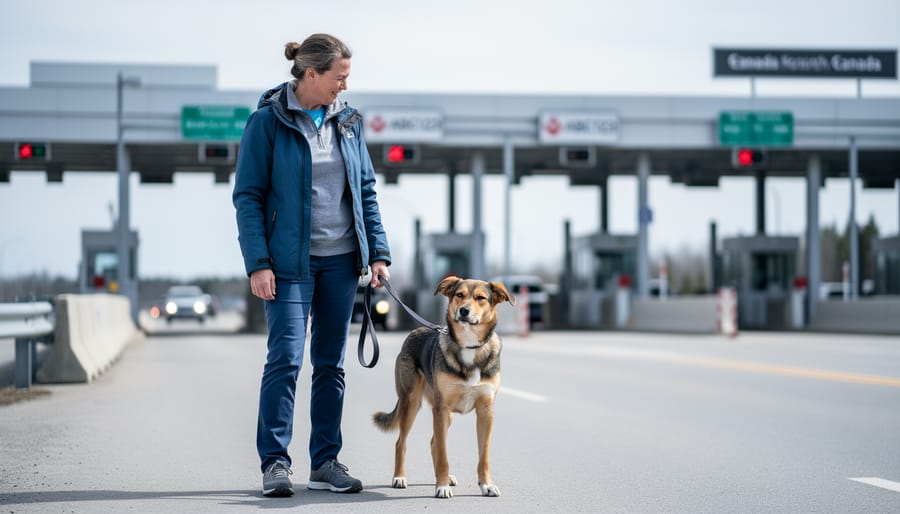
Yes, you can bring your dog into Canada, and the process is straightforward if you have the right documentation and your pet meets basic health requirements. Canadian border officials require proof of rabies vaccination for all dogs older than three months, and your dog must appear healthy upon arrival. For Ottawa residents crossing from the U.S. or welcoming visiting friends and family with their four-legged companions, understanding these requirements ahead of time makes border crossings smooth and stress-free.
The good news? Canada’s pet entry rules are among the most pet-friendly in the world. You won’t need months of quarantine, expensive permits, or complex veterinary procedures. Most dogs can enter Canada with just a valid rabies certificate and a quick inspection at the border. That said, having your paperwork organized and knowing what border officers look for can mean the difference between a five-minute checkpoint and a frustrating delay.
Whether you’re moving to Canada permanently, planning a cottage getaway, or simply crossing the border for a day trip, preparing your dog for entry requires attention to a few key details. The rabies vaccination must be current and documented properly, puppies under three months have special considerations, and certain breeds may face additional scrutiny. Taking time to gather the right documents and ensure your dog meets health standards before you travel protects both your pet and your plans.
The Short Answer: Yes, You Can Bring Your Dog Into Canada
Yes, you can absolutely bring your dog into Canada. The good news for Ottawa pet owners is that Canada welcomes dogs crossing the border, whether you’re returning home from a trip or relocating to the area. The process is designed to be manageable and won’t require jumping through endless hoops.
The key to a smooth border crossing is having the right documentation ready when you arrive. For most adult dogs, this means proof of rabies vaccination. That’s really the main requirement you need to focus on. Canada’s border services keep the process relatively simple compared to many other countries, which is great news if you’re planning travel with your furry companion.
The straightforward nature of Canada’s requirements means you won’t need to schedule complicated vet appointments or obtain stacks of certificates for most dogs. As long as you prepare your paperwork in advance and keep it organized, bringing your dog across the border should be a stress-free part of your journey. Many Ottawa dog owners travel with their pets regularly once they understand what’s needed, and you’ll likely find the actual crossing goes smoothly when you’re properly prepared.
What Documents You’ll Need at the Border
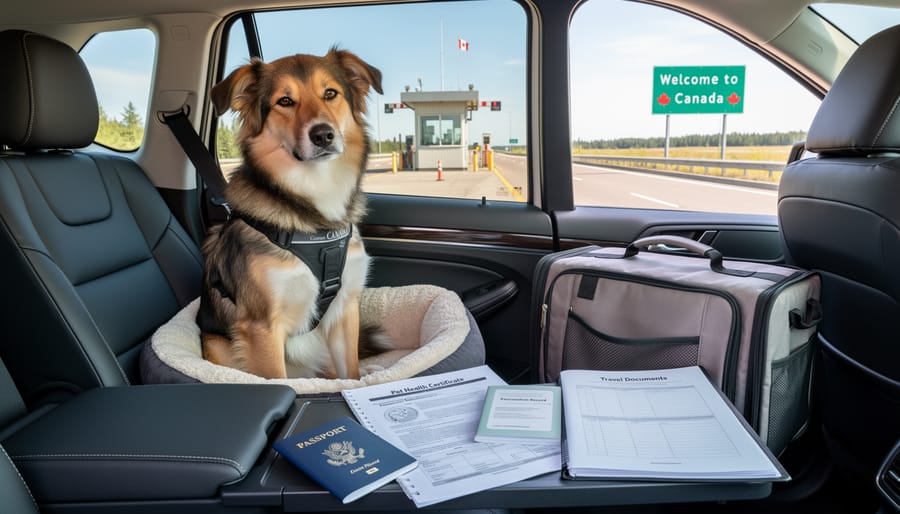
When you arrive at the Canadian border with your dog, the good news is that the documentation requirements are refreshingly simple. For dogs older than eight months, you’ll need just one essential document: proof of rabies vaccination. That’s it, no mountains of paperwork, no complicated forms to fill out in advance.
Your rabies vaccination certificate should clearly show your dog’s name, age, breed, and sex. It needs to include the vaccination date, the expiration date (if applicable), and the vaccine’s serial number or name. Most importantly, the certificate must be signed by a licensed veterinarian. Keep this document easily accessible during your trip, not buried at the bottom of your suitcase. Border officers need to see it quickly, and having it ready shows you’re prepared.
Here’s something that surprises many Ottawa dog owners: dogs over eight months don’t need a general health certificate for entry into Canada. You might be used to extensive documentation requirements from other countries, but Canada keeps things straightforward for our canine companions. The focus is squarely on rabies vaccination, which makes sense given that rabies prevention is the primary health concern for imported pets.
Canada has established these specific import requirements to protect against animal diseases and safeguard the health of Canadian people, plants, and animals. While the rules might seem like red tape, they serve a real purpose in preventing the spread of diseases that could affect both pets and people.
If you’re crossing the border without proper documentation, be aware that your dog may not be allowed into Canada. Border officers take these requirements seriously, and showing up unprepared can turn your trip into a stressful situation. The officer might refuse entry for your pet, which could mean turning back or making alternative arrangements on the spot.
The takeaway? Check your dog’s rabies vaccination records well before your travel date. If the vaccination has expired or is about to expire, schedule a vet appointment to get it updated. Taking 15 minutes to verify your paperwork now saves hours of headaches at the border later.
Age Matters: Different Rules for Puppies and Adult Dogs
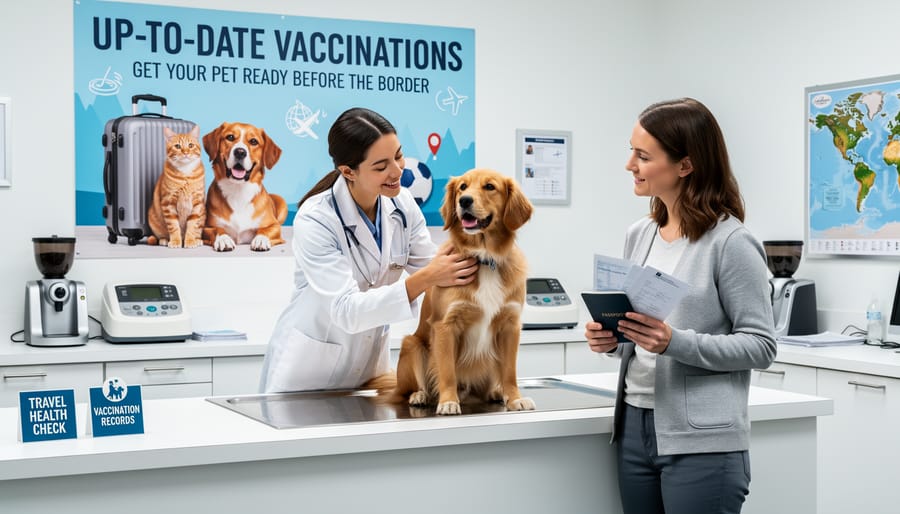
Canada draws a clear line at 8 months old, and understanding this threshold makes border crossings much smoother for dog owners. If your dog is over 8 months, you’re in the easy category, just bring proof of rabies vaccination and you’re set. No health certificate, no veterinary exam, no extra paperwork.
Puppies under 8 months face different rules because they’re typically too young for rabies vaccination. Canada recognizes that puppies need time to develop immunity, so the requirements shift. Young puppies can still enter Canada, but you’ll need additional documentation and should contact the Canadian Food Inspection Agency ahead of time to confirm exactly what’s needed for your specific situation.
Why does Canada use 8 months as the cutoff? It comes down to disease prevention. Rabies vaccination provides the primary protection against one of the most serious animal diseases, and dogs need to reach a certain age before vaccination becomes fully effective. The 8-month threshold gives enough time after vaccination for immunity to develop properly.
This age distinction also protects Canadian animals and people from potential disease introduction. Just like how daycare works with age-appropriate groupings for safety, border regulations separate younger and older dogs based on their vaccination status and disease risk.
If your dog turns 8 months right around your travel date, err on the side of caution. Have all documentation ready, including proof of when the rabies vaccine was administered. Border officials need to verify that your dog meets the age requirement and has proper vaccination coverage. Getting these details sorted before you reach the border saves everyone time and stress.
Understanding Canada’s Import Requirements for Dogs
Canada’s border requirements for dogs aren’t about creating obstacles for pet owners. They exist to protect the health and safety of everyone involved, including your furry friend, other animals, and the people who live here.
The Canadian government’s primary concern is preventing animal diseases from entering the country. Rabies remains a serious public health threat in many parts of the world, and unvaccinated dogs pose a risk of transmitting this fatal disease to humans and other animals. By requiring proof of rabies vaccination for dogs over 8 months, Canada maintains its status as a low-rabies country and protects both its animal and human populations.
These import requirements serve a broader purpose beyond just rabies prevention. They’re part of Canada’s comprehensive approach to biosecurity, which protects the country’s plants, animals, and agricultural systems from foreign diseases and pests. When you understand that your dog’s vaccination record helps maintain the health of entire ecosystems, it makes the paperwork feel less like a hassle and more like responsible pet ownership.
For Ottawa dog owners specifically, these rules mean that crossing the border should be straightforward. Since Canada already has strong disease prevention measures in place, you won’t face the extensive quarantine periods or complex health certificates required by some other countries. The focus on rabies vaccination reflects Canada’s targeted, science-based approach to animal health protection.
The government reviews these requirements regularly based on current disease risks and veterinary science. This means the rules you follow today represent the minimum necessary precautions, not bureaucratic excess. If you don’t have the right paperwork, your dog may be denied entry, which is why understanding these requirements matters so much before you travel.
Preparing Your Dog for Border Crossing
Getting ready for a border crossing with your dog takes a bit of planning, but it’s nothing complicated. Start at least two weeks before your trip to give yourself time to handle any last-minute issues without stress.
Here’s your preparation checklist for a smooth crossing:
- Confirm your dog’s rabies vaccination is current and won’t expire during your trip. Check the certificate shows your dog’s name, your name, and the vaccination date.
- Request a copy of the rabies certificate from your vet if you don’t have the original on hand. Some vets provide a small wallet-sized version that’s easier to carry.
- Create a travel folder with all pet documents in one place. Include vaccination records, your dog’s photo, and your vet’s contact information.
- Pack your dog’s regular food, water, medications, and comfort items like a favorite toy or blanket to reduce travel anxiety.
- Plan bathroom breaks before you reach the border. A well-exercised, recently relieved dog will handle the crossing much better.
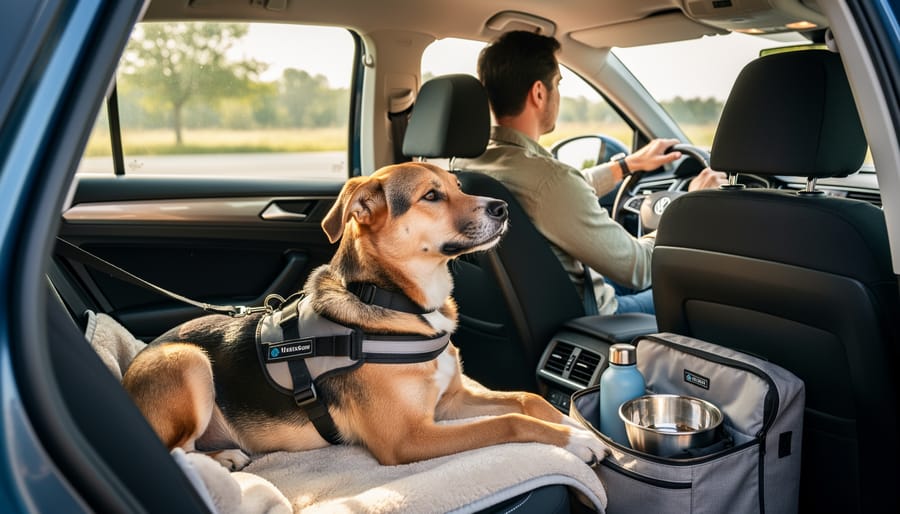
When you actually cross the border, keep your paperwork accessible in the front seat, not buried in the trunk. Border officers will ask to see your dog’s rabies vaccination certificate, so have it ready to hand over immediately. Your dog should be secured safely in the vehicle, either in a crate or with a proper harness.
Most dogs feel the tension when you’re nervous, so stay calm and speak in your normal voice. If you’re traveling on a particularly busy day and your pup gets anxious in the car, consider dropping them at daycare for travel days when the crossing might take longer than usual.
The actual inspection typically takes just a few minutes. Officers will verify your paperwork matches your dog and may ask basic questions about your pet. Answer directly, don’t volunteer extra information, and you’ll be on your way quickly.
Common Questions Ottawa Dog Owners Ask
What happens if I forget my dog’s vaccination paperwork?
If you arrive at the border without proper documentation, your dog may not be allowed into Canada. Border officials need to see proof of rabies vaccination for dogs older than 8 months. It’s worth keeping digital copies on your phone as backup, plus physical documents easily accessible in your glove compartment. Don’t risk a stressful situation at the border, double-check your paperwork before leaving home.
How long does my dog’s rabies vaccination need to be valid?
Your dog’s rabies vaccination must be current at the time of entry. Most rabies vaccines remain valid for one or three years depending on the type. Check your vaccination certificate for the expiration date and make sure you’re crossing before that date passes. If your dog’s vaccination expires during your trip, get it renewed before heading to the border.
Can I bring my dog back to Ottawa after visiting the U.S.?
Absolutely. The same documentation requirements apply whether you’re entering Canada for the first time or returning home. Keep your dog’s proof of rabies vaccination with you throughout your entire trip. Some Ottawa pet owners find it helpful to keep a dedicated travel folder with all pet documents, just like you would for your passport.
Should I prepare my dog for the border crossing experience?
Yes, preparation helps tremendously. If your dog gets anxious during car rides, consider practicing longer drives beforehand. You might also look into a dog daycare facility for socialization that builds confidence in new situations. Keep water available and plan bathroom breaks before reaching the border, since the crossing process can sometimes take longer than expected.
Bringing your dog into Canada is absolutely possible when you have the right paperwork ready. The process is straightforward for Ottawa pet owners who take a few minutes to organize their documentation before heading to the border. Make sure your dog’s rabies vaccination proof is current and easily accessible, and you’ll be set for a smooth crossing.
Think of border preparation the same way you’d plan your pup’s daycare routine a little advance organization makes everything easier. Canada’s import requirements exist to protect everyone’s health and safety, and meeting them simply means being a responsible pet owner.
Whether you’re visiting family, exploring new trails, or relocating to Ottawa, your furry companion can join you on the journey. The joy of traveling with your dog far outweighs the minimal effort of gathering paperwork. Prepare ahead, travel confidently, and enjoy making memories with your four-legged best friend by your side.