
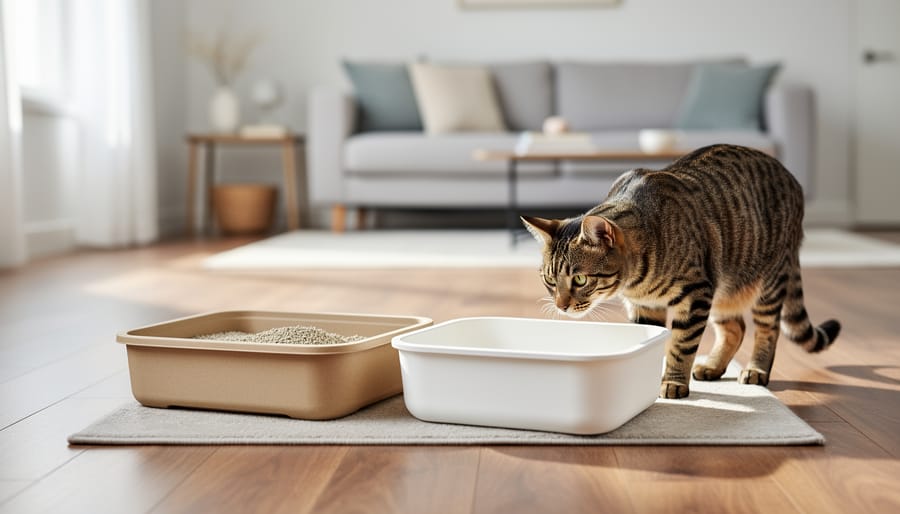
Cat owners juggling messy cleanups or frequent travel now have a straightforward alternative: disposable litter boxes eliminate the need to scrub, sanitize, or haul heavy plastic trays. These single-use or short-term boxes arrive pre-filled or ready to fill, serve their purpose for days or weeks, then go straight into the trash with minimal fuss. In 2026, options range from biodegradable cardboard trays like Cats Desire (averaging $3, $5 per box in multi-packs) to sifting systems such as Kitty Sift that promise a month of use before disposal.
The appeal is simple: no more wrestling with stubborn odors embedded in traditional plastic, no bathroom scrubbing sessions, and no carrying a bulky bin during trips to the cottage. For Ottawa cat owners balancing busy schedules or managing multi-cat households, disposables can cut maintenance time in half while keeping your car and vacation rental tidy. However, not all disposables are created equal. Some leak through thin cardboard walls within days, others require specific litter types to avoid sogginess, and costs add up quickly if you choose premium models for everyday use.
Understanding which materials last, how often you’ll truly need to replace them, and what your cat will actually tolerate makes the difference between a time-saving win and an expensive mess. This guide walks you through the core factors to evaluate, the main types available in 2026, scenario-based picks for different living situations, and the common mistakes that turn disposable convenience into disposable regret.
What Are Disposable Cat Litter Boxes?
Disposable cat litter boxes are single-use containers designed to be discarded after a set period, typically ranging from one to four weeks depending on the number of cats and usage. Unlike traditional plastic litter boxes that you clean and reuse indefinitely, these are meant to simplify maintenance by eliminating the scrubbing and sanitizing routine entirely.
Most disposable boxes use a cardboard base as their primary material, which keeps them lightweight and affordable. The cardboard isn’t just plain packaging material, though. Quality options feature specialized coatings that provide leak resistance and odor control. For instance, some models use a patented double-coated leak-resistant design that prevents moisture from seeping through the bottom or sides, addressing the biggest concern pet owners have about paper-based products.
The construction typically involves reinforced corners and edges to handle the weight of litter and withstand daily digging. Sizes vary, with some jumbo options reaching 17 inches in height to accommodate larger cats or multiple pets. You’ll find them sold in multi-packs, like three-count or ten-count bundles, making them economical for temporary needs or regular rotation.
Why the growing interest in 2026? Pet owners increasingly value convenience and hygiene, especially after illness situations where thorough disinfection matters or during travel when hauling a full-sized plastic box isn’t practical. They’ve also become popular for multi-cat households where rotating fresh boxes helps manage odor without constant deep cleaning. While they won’t replace your permanent setup for everyday use, disposable boxes fill specific gaps where convenience and cleanliness take priority over long-term cost savings.
Key Buying Factors: What to Look for Before You Buy
Size and Capacity
Size matters more than most cat owners realize when choosing a disposable litter box. A box that’s too small makes your cat feel cramped, which can lead to accidents outside the box or refusal to use it altogether. As a general rule, your box should be at least one and a half times the length of your cat from nose to tail base, giving them room to turn around and dig comfortably.
For larger breeds like Maine Coons or Ragdolls, jumbo options are essential. Some models reach 17 inches in height with expanded floor space, providing the generous dimensions big cats need. Multi-cat households benefit from these larger sizes too, since dominant cats won’t guard a spacious box as readily as a cramped one.
Standard disposable boxes work fine for average-sized cats (8-12 pounds), but if you’ve got a hefty 15-pound tabby or multiple cats sharing, don’t cheap out on size. A box that’s too small defeats the purpose of convenience, you’ll just end up cleaning messes around it instead of inside it.
Materials and Leak Protection
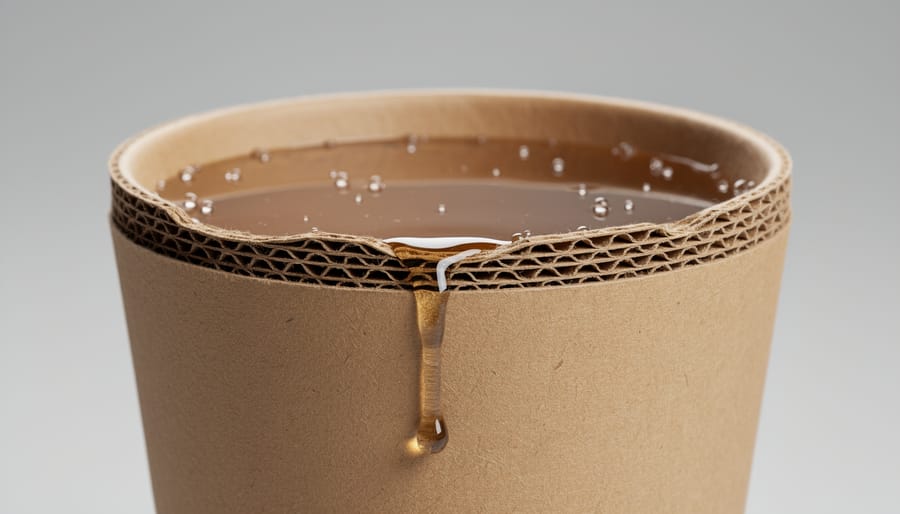
Not all cardboard is created equal. The best disposable litter boxes use thick, reinforced cardboard with specialized coatings that prevent moisture from seeping through. Look for boxes with double-coated or patented leak-resistant technology, like the double-coated design used in Cats Desire disposable boxes. These coatings create a moisture barrier that keeps liquids contained and stops odors from penetrating the cardboard itself.
The coating quality directly affects how long a box stays fresh. Cheap, single-layer cardboard absorbs urine quickly, breaking down within days and releasing ammonia smells. A proper leak-resistant coating means the box holds up for its intended lifespan, typically one to two weeks for a single cat, without compromising on odor control.
Check product descriptions for specific mention of leak-resistant or waterproof coatings. If a box simply lists “cardboard construction” without detailing protective layers, it’s likely a basic design that won’t hold up well. Material quality isn’t just about preventing leaks. It’s about maintaining a sanitary environment your cat will actually use and keeping your home smelling clean until disposal time.
Pack Size and Value
Disposable litter boxes typically come in packs ranging from 3 to 10 boxes, and choosing the right quantity depends on your needs and budget. Smaller packs let you test a brand before committing, while bulk options offer better value if you know disposable boxes work for your situation.
The math matters here. A 3-count pack like Kitty Sift’s Jumbo option runs around $19.99 to $24.99, depending on the retailer. That works out to roughly $6.66 to $8.33 per box. Meanwhile, a 10-pack from brands like Cats Desire often drops the per-unit cost to $4 or less when purchased in bulk. If you’re using disposables regularly, those savings add up quickly.
| Pack Size | Approx. Price Range | Cost Per Box | Best For |
|---|---|---|---|
| 3-count | $19.99, $24.99 | $6.66, $8.33 | First-time users, occasional travel |
| 10-pack | $40, $50 | $4.00, $5.00 | Regular use, multi-cat homes |
Consider starting with a smaller pack if you’re unsure whether your cat will adapt to disposable boxes or if the brand’s sizing fits your space. Once you’ve confirmed they work for your household, switching to bulk packs makes financial sense, especially if you’re managing multiple cats or plan to use them throughout the year for travel and home rotation.
Eco-Friendliness and Disposal
Cardboard disposable litter boxes break down naturally over time, making them a more environmentally friendly choice than plastic alternatives that can persist in landfills for centuries. Most disposable boxes use uncoated or minimally coated cardboard that’s fully biodegradable, though boxes with patented double-coated leak-resistant designs may take longer to decompose due to their protective layers.
For disposal, you can typically add used boxes to your compost if they haven’t been heavily soiled, or recycle them with your regular cardboard collection after removing any remaining litter. Check Ottawa’s waste management guidelines first, as some municipalities prefer composting pet waste products separately. Never flush cardboard pieces down the toilet.
The environmental trade-off isn’t straightforward. While cardboard biodegrades, you’re replacing boxes more frequently than you would a single plastic tray that lasts years. Consider your usage pattern: if you’re replacing a box weekly, you’re creating more waste volume than maintaining one plastic box, even if each individual piece breaks down faster. Disposable boxes make the most environmental sense for temporary needs rather than permanent daily use, where their convenience justifies the increased material consumption.
Ease of Setup and Maintenance
One of the biggest advantages of disposable litter boxes is their simplicity. Most come fully assembled and ready to use right out of the package, just unfold, add litter, and you’re done. There’s no snapping together plastic parts or wrestling with complicated components, which makes them ideal when you’re in a hurry or dealing with a temporary situation.
Replacement is equally straightforward. When it’s time for a fresh box (typically every one to two weeks for single-cat households), you simply lift out the used one, dispose of it, and set up a new one in seconds. This saves the scrubbing and disinfecting time that traditional boxes require, though you’ll still need to scoop waste daily just as you would with any litter box.
During use, maintenance is minimal. The double-coated designs like those in premium options resist leaks and odors without special treatment. Keep the box in a dry location, avoid overfilling with litter (which can stress the cardboard), and watch for any signs of wear if you’re extending use beyond the recommended timeframe. If you notice the bottom softening or the coating degrading, replace it immediately to prevent leaks.
Types of Disposable Litter Boxes Compared
Standard vs. Jumbo Sizes
Standard disposable litter boxes typically measure around 12 to 15 inches in length, suitable for average-sized cats and smaller spaces. They work well for single-cat households where your pet weighs under 12 pounds and doesn’t need extra room to turn around comfortably.
Jumbo options, like the Kitty Sift Disposable Jumbo Litter Box, offer significantly more space for larger breeds, senior cats with mobility issues, or households with multiple cats sharing one box. The Cats Desire model stands 17 inches tall, giving high-peeing cats or those who dig aggressively the vertical clearance they need to avoid spills. Jumbo boxes also reduce tracking since cats have more room to shake off litter before exiting.
Choose standard sizes if you’re traveling light, dealing with a kitten, or testing disposables for the first time. Opt for jumbo when you have Maine Coons, Ragdolls, or cats over 15 pounds, or when you’re managing temporary situations like post-surgery recovery where your cat needs extra comfort. Larger boxes cost more upfront but prevent messes that waste litter and require cleanup time. Some cats who feel cramped in standard boxes may refuse to use them entirely, making the jumbo investment worthwhile for picky pets. Just as CBD for pets addresses individual wellness needs, litter box sizing should match your cat’s specific physical requirements and behavioral patterns.
Empty Boxes vs. Pre-Filled Options
Disposable cat litter boxes come in two main forms: empty boxes you fill with your own litter, and pre-filled options that arrive ready to use. Most products on the market, including popular choices like Cats Desire and Kitty Sift boxes, are sold empty. This gives you control over the type and amount of litter you use, which matters if your cat has preferences or you’re committed to a specific brand. Empty boxes also cost less upfront and weigh nothing for shipping, making them easier to stock at home.
Pre-filled disposable boxes eliminate the hassle of pouring litter yourself. They’re convenient for travel or quick setup when you’re short on time. However, you’re locked into whatever litter the manufacturer includes, which might not suit your cat or your odor control needs. Pre-filled options also cost significantly more per box and are heavier to ship or carry home.
For most Ottawa cat owners, empty boxes offer better value and flexibility. You can pair them with your preferred clumping or non-clumping litter, adjust the depth to your cat’s habits, and buy litter separately when it’s on sale. Pre-filled boxes work best as a convenience option for occasional travel or emergency situations rather than everyday use.
Recommendations: When Disposable Boxes Make the Most Sense
Disposable litter boxes aren’t meant to replace your regular setup permanently, but they solve specific problems remarkably well. Understanding when they offer real advantages helps you use them strategically rather than as an everyday solution.
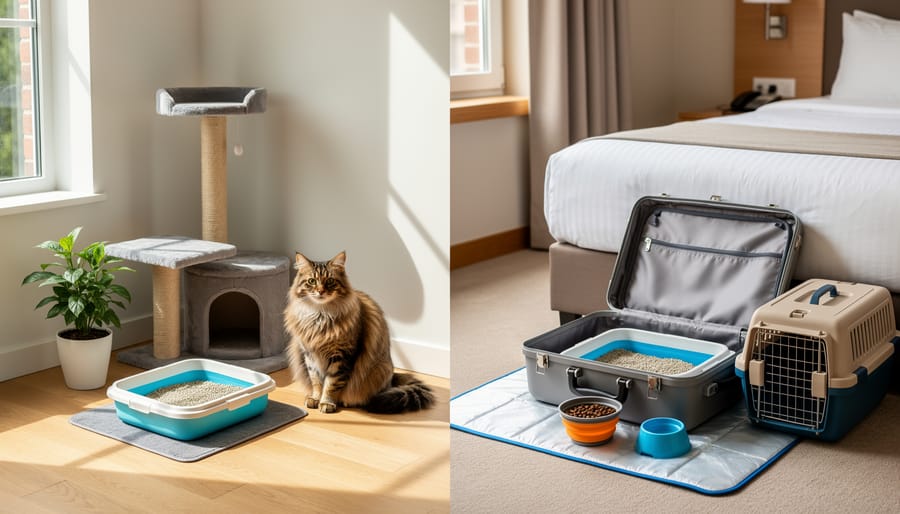
Travel tops the list of scenarios where disposable boxes shine. If you’re taking your cat along on Ottawa outings that require overnight stays, visiting family, or heading to a cottage, a disposable box eliminates the hassle of transporting and cleaning a bulky plastic one. It fits into your travel checklist easily and weighs almost nothing. When you’re navigating pet travel rules or staying in hotels, being able to toss the entire box afterward saves considerable cleanup time and keeps your vehicle cleaner.
Fostering cats creates another ideal use case. Foster homes often manage multiple temporary residents with unknown litter habits, and disposable boxes let you provide each cat with a fresh, uncontaminated space. When the foster moves to their permanent home, you’re not left sanitizing plastic boxes. The same logic applies to temporary care situations when pet-sitting for friends.
Here are the situations where disposable litter boxes deliver the most practical value:
- Traveling with cats to cottages, hotels, or family visits
- Fostering cats or providing temporary housing for strays
- Post-surgery recovery when your cat needs a separate, clean space
- Quarantine or illness situations requiring isolation from other pets
- Testing new litter types without committing a permanent box
- Seasonal cottage use where storage of traditional boxes is impractical
- Multi-cat household transitions when introducing new cats
Medical situations make disposable boxes particularly valuable. If your cat needs post-operative monitoring, a disposable box in a quiet recovery room simplifies cleanup during a stressful time. Similarly, when dealing with contagious conditions like parasites or infections, you can isolate the affected cat with a fresh box and dispose of everything when treatment ends, eliminating cross-contamination risks.
For Ottawa pet owners with seasonal cottages, keeping a supply of disposable boxes at your getaway property means you’re always prepared without dedicating storage space to bulky plastic bins. The 10-pack options from brands like Cats Desire give you enough boxes for an entire season at around three dollars per use, making them cost-effective for occasional-use properties.
Common Mistakes to Avoid
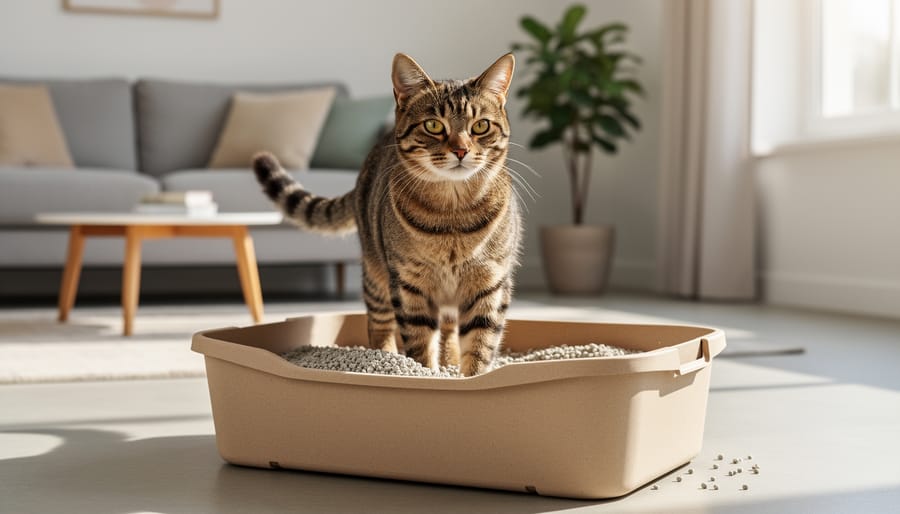
One of the biggest mistakes pet owners make is choosing a box that’s too small to save a few dollars upfront. Yes, a compact disposable box costs less, but if your 15-pound tabby can’t turn around comfortably or kicks litter everywhere, you’ll end up replacing it more often anyway. Remember that jumbo options exist for a reason, a 17-inch tall box accommodates larger cats and reduces mess, making the extra cost worthwhile.
Many first-time buyers also skip checking the leak-resistance quality. Not all cardboard boxes are created equal. Look for features like patented double coated leak-resistant coatings, which genuinely prevent seepage and odor escape. A cheap, uncoated cardboard box might seem like a bargain until it starts breaking down after three days, leaving you with a soggy mess and an unhappy cat.
Shipping costs can quietly destroy what looks like a good deal. A 3-count pack priced at $19.99 might seem cheaper than a 10-pack bundle, but once you add $15 shipping, the math flips. Always calculate the total delivered cost per box before hitting the buy button, especially when comparing online retailers.
Using a disposable box beyond its recommended lifespan is another common error. These boxes typically last one to two weeks with regular cleaning, depending on how many cats you have. Stretching them to a month because “they still look okay” defeats the hygiene purpose and can lead to odor problems or leaks.
Finally, don’t wait until your last disposable box is full to order more. Having at least one backup on hand prevents the scramble of needing an emergency solution when your current box reaches the end of its usable life. Stock a few extras, particularly if you’re ordering online and dealing with delivery times.
Where to Find Disposable Cat Litter Boxes in Ottawa
Ottawa pet owners have several convenient options for purchasing disposable cat litter boxes, both locally and online.
For in-store shopping, PetSmart Canada locations in Ottawa typically carry disposable litter box options, including products like the Kitty Sift Disposable Jumbo Litter Box (priced around $24.99 for a 3-count pack). However, specific inventory varies by location and season, so it’s worth calling ahead or checking their website for current availability at your nearest store. Other local pet supply retailers in the Ottawa area may also stock disposable options, particularly during peak travel seasons when demand increases.
Online shopping offers the widest selection and often better value, especially for bulk purchases. Amazon.ca is a reliable source for brands like Cats Desire (available in 10-packs) and Kitty Sift. Shopping online gives you access to customer reviews, detailed product specifications, and the convenience of home delivery, which matters when you’re ordering larger pack sizes.
Independent pet stores throughout Ottawa may carry smaller brands or specialty options, and staff at these shops can often order specific products if they don’t stock them regularly. It’s worth supporting local businesses when you find disposable litter boxes that meet your needs.
Whichever route you choose, compare per-box costs across different pack sizes and factor in shipping fees for online orders. Buying a smaller pack first lets you test whether disposable boxes work for your household before committing to bulk purchases.
Frequently Asked Questions
How long does a disposable litter box last?
Most disposable litter boxes last between one and three weeks with proper maintenance, depending on how many cats use them and how frequently you scoop. Single-cat households typically get two to three weeks of use, while multi-cat homes may need to replace them weekly.
Are disposable litter boxes really leak-proof?
Quality disposable boxes like those with patented double-coated leak-resistant coatings are designed to prevent leaks when used as directed, but they’re not indestructible. They work well for their intended lifespan, but you shouldn’t push them beyond the recommended replacement timeframe or use them with excessive liquid waste without regular scooping.
Can multiple cats share one disposable litter box?
Yes, but you’ll need to replace it more frequently and consider jumbo sizes that offer more space. Standard litter box rules still apply: ideally, you want one box per cat plus one extra, so disposable boxes work best as part of a multi-box setup rather than the only option for multiple cats.
How do I dispose of a used cardboard litter box?
Empty the litter into a garbage bag first, then break down the cardboard box and place it in your regular trash. While the cardboard itself is biodegradable, it shouldn’t go in your recycling bin once it’s been used as a litter box due to contamination concerns.
Beyond these common questions, Ottawa pet owners often wonder about the cost comparison. When you calculate the price per use, disposable boxes typically cost between six and eight dollars each when purchased in packs. That might seem expensive compared to a fifteen-dollar plastic box that lasts years, but the convenience factor changes the equation. You’re paying for the time saved on deep cleaning, the flexibility during travel or illness, and the peace of mind of starting fresh regularly.
Cats themselves usually adapt to disposable boxes without issue. The cardboard doesn’t feel dramatically different from plastic under their paws, and because these boxes are often jumbo-sized (like the 17-inch-tall options available), they actually offer more space than many traditional boxes. Some cats even prefer the slightly textured cardboard surface. If your cat is particularly picky, place the disposable box next to your regular one for a day or two to let them explore it on their terms before making the switch.
One practical concern that comes up frequently: what about odor control? Disposable boxes don’t inherently control odor better or worse than plastic boxes. Odor management still depends primarily on your litter choice, how often you scoop, and ventilation in the litter box area. The advantage with disposable boxes is that you’re replacing the entire container regularly, so odors don’t have time to become embedded in the material the way they can with older plastic boxes that develop scratches and crevices.
Choosing a disposable cat litter box comes down to matching the right product to your specific situation. Focus on the three core factors we’ve covered: size that fits your cat comfortably, leak-resistant construction that holds up for the intended use period, and pack sizing that balances trial testing with value. Disposable boxes shine in temporary scenarios, travel, illness recovery, introducing new cats, or emergency backup, but they’re not designed to replace your primary litter solution long-term.
Before you buy, honestly assess how you’ll use them. If you’re managing a senior cat’s post-surgery needs for two weeks, a smaller pack makes sense. Planning regular cottage trips with your pets? Bulk packs offer better value. Remember that quality varies significantly between brands, so don’t base your decision solely on price. A cheaper box that leaks after three days costs more in cleanup time and stress than investing in reliable options from the start.
For Ottawa pet owners juggling both cats and dogs (we see you!), disposable boxes can simplify travel logistics or temporary separations when one pet needs space. They’re a practical tool in your pet care toolkit, not a lifestyle change.
We know most of our readers focus on canine care, but Ottawa’s pet community includes plenty of multi-species households. Whether you’re researching for your own feline friend or helping a fellow pet owner, we’re here to provide reliable guidance across all your pet care needs. Browse our other resources for expert-backed advice on keeping both your cats and dogs healthy, happy, and well-cared-for right here in the capital region.