
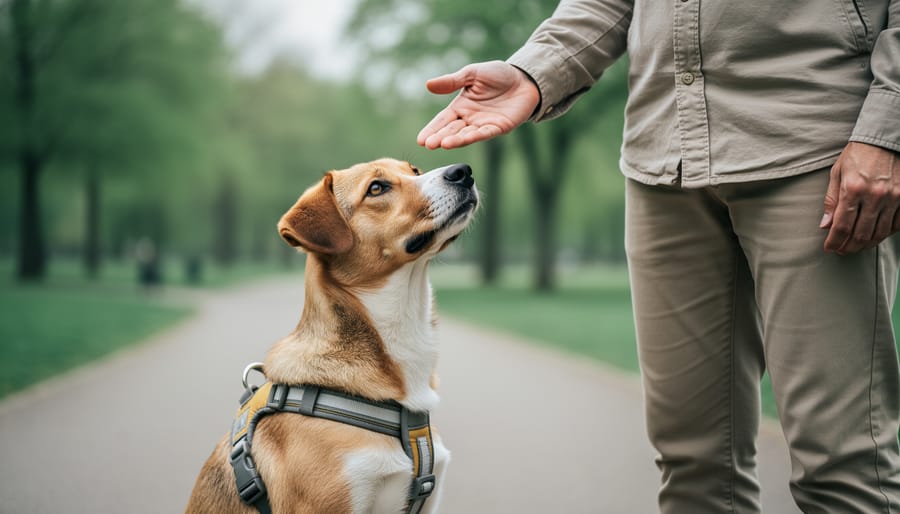
Professional dog training does more than teach your pup to sit on command. When done right, it builds a foundation of safety, trust, and confidence that protects your dog’s physical and mental wellbeing for life. Markham’s dog training landscape offers a clear case study in what separates safety-focused programs from those that simply drill obedience, and understanding these differences matters whether you’re in the GTA or here in Ottawa.
The best trainers prioritize your dog’s emotional state throughout every lesson. They recognize that a fearful or stressed dog can’t learn effectively and may develop behavioral problems that put them at risk. This means using positive reinforcement methods that strengthen your bond rather than techniques that rely on intimidation or physical correction. A safety-first approach also addresses real-world hazards: teaching reliable recall before your dog slips their leash, building impulse control around traffic, and establishing boundaries that prevent dangerous situations at home.
For Ottawa dog owners evaluating local trainers, the principles that define quality programs in Markham apply everywhere. You want someone who assesses your dog as an individual, explains their methods clearly, and demonstrates how each skill directly protects your pet. The right training investment does double duty, giving you a well-mannered companion while reducing the risk of injuries, escapes, and stress-related health issues. That’s the standard worth looking for, no matter where you call home.
Why Training is Your Dog’s First Line of Defense
Every year, thousands of dogs suffer preventable injuries that stem from a single root cause: gaps in basic training. When your dog doesn’t respond reliably to fundamental commands, everyday situations transform into potential emergencies. That unleashed moment in a parking lot, the dropped medication on the floor, or the tense encounter with an unfamiliar dog at the park, these scenarios don’t just test your pet’s obedience. They directly threaten their physical safety and long-term health.
Professional training builds a communication system that keeps your dog out of danger. A solid recall command means your dog returns to you before darting into traffic, while a reliable “leave it” prevents them from swallowing toxic foods, sharp objects, or contaminated items during walks. These aren’t party tricks. They’re emergency brakes that give you control when seconds matter most.
The health benefits extend beyond immediate injury prevention. Dogs with consistent training experience lower stress levels because they understand expectations and boundaries. This psychological stability translates to measurable health outcomes: reduced cortisol production, better digestion, and stronger immune function. When your dog knows how to behave in various environments, whether navigating dog daycare safety protocols or walking calmly past distractions, they avoid the chronic anxiety that compromises wellness.
Training also prevents the cascade of problems that follow reactive or aggressive behavior. A dog who lunges at other animals risks injury to themselves, enormous veterinary bills from fights, and the stress-induced health issues that stem from constant fear responses. By establishing calm, controlled reactions early, professional training protects your dog from both immediate physical harm and the cumulative toll that behavioral problems take on their body over months and years.
What Makes Markham Dog Training Different
Positive Reinforcement and Physical Safety
Reward-based training methods don’t just teach better behaviors, they actively protect your dog’s physical wellbeing. When trainers use treats, praise, and play instead of corrections or punishment, they eliminate the physiological stress response that can weaken immune function over time. Chronic stress from harsh training elevates cortisol levels, which research links to digestive problems, skin conditions, and increased susceptibility to illness.
Positive reinforcement also prevents the physical injuries that sometimes occur with outdated methods. There’s no risk of tracheal damage from collar corrections, no strain on joints from forced positions, and no trauma from shock or prong collars. Your dog learns in a state of calm focus rather than fear, which means their body isn’t flooded with stress hormones during every training session.
The psychological safety matters just as much. Dogs trained with rewards develop secure bonds with their handlers, reducing anxiety-driven behaviors like excessive barking or destructive chewing that can lead to accidental injury. A confident dog is less likely to bolt through an open door or react aggressively when startled, both scenarios that put their safety at risk.
Markham’s leading trainers understand this connection. They structure sessions around what motivates each individual dog, building skills through success rather than avoidance of punishment. This approach creates dogs who are eager to learn and emotionally resilient, which translates directly into safer decision-making in unpredictable real-world situations.

Age-Appropriate Training Protocols
Puppies under six months have soft, developing bones and growth plates that won’t fully close until 12-18 months. Markham trainers structure puppy classes with short five-to-ten-minute sessions, avoid repetitive jumping drills, and use soft surfaces to protect fragile joints. They focus on socialization windows and gentle leash skills rather than demanding physical exercises that could cause lifelong orthopedic damage.
Adult dogs between one and seven years can handle more intensive training, but Markham professionals still assess individual fitness levels before pushing endurance or agility work. A sedentary three-year-old needs gradual conditioning before advanced recall drills across large distances. Trainers watch for signs of fatigue and adjust intensity accordingly.
Senior dogs over seven require the most careful adaptation. Arthritis, reduced stamina, and cognitive changes mean trainers shorten sessions, incorporate more mental exercises than physical ones, and use padded training areas. Commands are reinforced through brain games and scent work rather than repeated sit-stand sequences that stress aging hips. Markham trainers also slow their pace and increase patience, recognizing that older dogs process new information differently and deserve methods that honor their limitations rather than force compliance.


Essential Safety Commands Every Markham Dog Should Know
Professional trainers in Markham focus on four foundational commands that go far beyond basic obedience, they’re genuine lifesavers. These aren’t party tricks or competition skills; they’re the difference between a close call and a tragedy when your dog faces real danger.
- Recall (Come)
- The ultimate safety net that brings your dog back to you instantly, preventing them from chasing wildlife into roads, approaching aggressive dogs, or running toward any hazard. A solid recall has stopped countless dogs from bolting through open doors or slipping their leash in crowded areas.
- Leave It
- Protects your dog from ingesting toxic substances, spoiled food, or dangerous objects like discarded medication, chicken bones, or antifreeze puddles commonly found in parking lots. This command has saved dogs from emergency vet visits and potential poisoning more than any other.
- Stay
- Creates a safety boundary that keeps your dog in place during veterinary exams, grooming sessions, or when you need to open the car door in a parking lot. It prevents dogs from darting into traffic when you drop the leash or rushing toward an unknown dog who may not be friendly.
- Emergency Stop
- An advanced command that freezes your dog mid-motion, used when recall isn’t fast enough, like when they’re already running toward a busy street or about to grab something dangerous. Think of it as an emergency brake for situations where every second counts.
Consider a typical Markham scenario: you’re walking near Toogood Pond, and your dog spots a squirrel. Without recall training, they might bolt across the parking lot into oncoming traffic. Or picture a dropped prescription pill on your living room floor, leave it stops your dog before that medication becomes a veterinary emergency costing thousands in treatment.
These commands also protect your dog’s health during routine activities. When you travel with your dog to new environments, stay keeps them secure while you handle luggage or navigate unfamiliar spaces. Emergency stop has prevented dogs from eating wild mushrooms in parks, approaching skunks, or investigating porcupines, all genuine health threats in Southern Ontario.
The best Markham trainers drill these commands until they’re reflexive, not just learned behaviors. They practice in progressively distracting environments because your dog needs to respond when a real emergency strikes, not just in your quiet living room. That level of reliability transforms these words into genuine protection, creating a safety system that follows your dog everywhere they go.
Health Benefits Beyond Behavior
Professional dog training delivers physical and mental health dividends that extend well beyond a well-behaved pet. When you enroll your dog in a quality program, you’re investing in their overall wellness in ways that might surprise you.
Mental stimulation stands as one of training’s most powerful health benefits. Dogs need cognitive challenges just as much as physical exercise, and structured training sessions force their brains to work. Learning new commands, problem-solving during exercises, and focusing on their handler all activate neural pathways that keep aging brains sharp. This mental workout reduces anxiety-driven behaviors like excessive barking or destructive chewing, which often stem from sheer boredom rather than behavioral issues.
Stress reduction follows naturally from consistent training routines. Dogs thrive on predictability, and when they understand what’s expected of them, cortisol levels drop significantly. A dog who knows how to respond in various situations feels confident rather than reactive. That confidence translates to measurable health improvements including better digestion, stronger immune function, and more restful sleep. Using a training class checklist helps you find programs that build this confidence systematically.
Weight management becomes easier when training incorporates movement. Many Markham programs integrate physical activity into their sessions, whether through agility work, structured play or active command practice. This controlled exercise helps maintain healthy body condition without the joint stress of unstructured running on hard surfaces.
Socialization during group classes strengthens immune health in surprising ways. Regular, positive exposure to other dogs and people builds resilience to stress and may even support immune system development. Dogs who regularly interact in controlled training environments show fewer stress-related illnesses than isolated pets.
The cumulative effect of these benefits creates dogs who live longer, healthier lives with fewer veterinary interventions for preventable conditions.
Choosing a Safety-Focused Trainer in Markham
Questions to Ask Before You Commit
Before you choose the right class or commit to any training program, arm yourself with these critical questions. A trainer who prioritizes safety and health will answer each one without hesitation or defensiveness.
- What certifications do you hold, and are they current? Look for credentials from recognized organizations like the Certification Council for Professional Dog Trainers (CCPDT) or the International Association of Animal Behavior Consultants (IAABC). These certifications require ongoing education in both training methods and canine health.
- How do you handle a dog who shows signs of stress or overheating during training? A responsible trainer should have clear protocols for recognizing stress signals, providing breaks, and knowing when to stop a session entirely.
- What’s your emergency action plan if a dog gets injured or has a medical episode? They should describe immediate first aid procedures, emergency vet contacts, and how they’ll communicate with you during a crisis.
- Do you require veterinary clearance for dogs with health conditions? Quality trainers won’t work with dogs who have joint issues, heart conditions, or other health concerns without explicit vet approval and modifications to the training plan.
- How do you modify training for different ages, sizes, and physical abilities? Cookie-cutter approaches ignore individual safety needs. Trainers should explain specific adjustments they make for puppies, seniors, or dogs with limitations.
Pay attention not just to what they answer, but how they answer. Confident, detailed responses signal genuine expertise and a commitment to your dog’s wellbeing.
Warning Signs of Unsafe Training Practices
Certain practices signal a trainer puts quick results ahead of your dog’s wellbeing. Run if you see physical corrections like choke chains, prong collars, or “alpha rolls” (forcing a dog onto their back). These outdated dominance methods can cause lasting fear, aggression, and physical injury to the neck and spine.
Watch for trainers who dismiss your dog’s stress signals, panting, tucked tail, avoidance, or whale eye. A responsible professional stops when your dog shows discomfort, not pushes through it. Similarly, any trainer who ignores disclosed health issues (joint problems, heart conditions, anxiety disorders) or insists one method works for every dog lacks the nuanced understanding your pet deserves.
Red flags extend to facilities too. No safety protocols for dog-to-dog interactions, unsecured training areas near roads, or refusing to share their approach in detail all suggest corners being cut. Guarantees of overnight behavior changes should also raise suspicion; real training respects your dog’s learning pace.
Trust your gut. If something feels wrong or your dog seems fearful around a trainer, that discomfort is valid data worth acting on.
Choosing the right dog trainer isn’t just about teaching your pet to sit on command, it’s about protecting their physical and mental wellbeing for years to come. Quality training in Markham demonstrates that when safety and health considerations form the foundation of every lesson, dogs develop not only better behavior but stronger bodies, sharper minds, and more resilient temperaments.
The trainers who truly understand this connection don’t see obedience and wellness as separate goals. They recognize that a dog who responds reliably to recall commands stays out of traffic. A dog trained through positive reinforcement experiences less chronic stress and its associated health complications. A senior dog with age-appropriate exercise protocols maintains mobility longer. These outcomes matter far more than a perfectly executed heel position.
Whether you’re in Markham or Ottawa, the principles remain constant. Look for trainers who ask about your dog’s health history before designing a program. Seek professionals who can explain exactly how their methods protect your pet from injury and stress. Trust instructors who prioritize your dog’s long-term health over quick fixes or impressive tricks.
Your dog depends on you to make informed choices about their care. Training represents one of the most significant investments you’ll make in their safety, and settling for anything less than a health-conscious approach shortchanges your companion. Find a trainer who sees your dog as a whole being, body, mind, and spirit, and you’ll see benefits that extend far beyond the training field.