
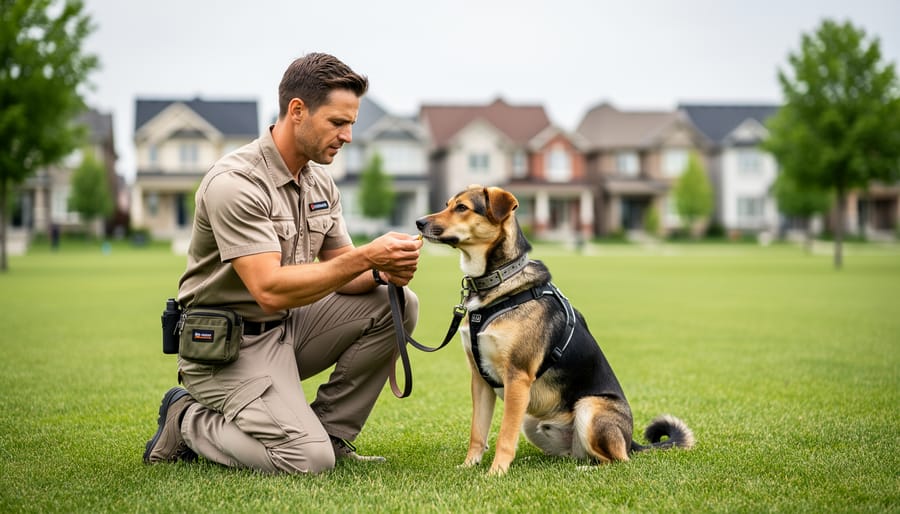
Finding the right dog training in Brampton means choosing a program that not only teaches obedience but also protects your dog’s emotional and physical wellbeing. Whether you’re dealing with a rambunctious puppy or an older dog with behavioral challenges, certified trainers in Brampton offer group classes, private sessions, and specialized programs ranging from basic manners to advanced obedience and behavioral modification. The difference between excellent training and a wasted investment comes down to understanding what certification really means, recognizing which training methods are safe (and which can cause lasting harm), and knowing how to spot red flags before you enroll.
Brampton dog owners have access to both national chains like PetSmart and local specialists such as SHIELD K9, but not all programs are created equal. Some trainers still rely on dominance theory and aversive tools that veterinary behaviorists have denounced for decades. Others lack proper certification or liability insurance, putting both you and your dog at risk. This guide walks you through verified Brampton training options, explains the key differences between training types, and shows you exactly what to look for to ensure your dog learns in a safe, effective environment that builds confidence rather than fear.
Key Factors to Consider When Choosing Dog Training in Brampton
Choosing the right dog training program requires careful evaluation of several critical factors that directly affect your dog’s learning experience and long-term wellbeing. The decisions you make now will shape not only your dog’s behavior but also their confidence, stress levels, and relationship with you.
Start by verifying trainer credentials. Look for instructors who hold certifications from recognized organizations that follow certified science-based standards. PetSmart’s Brampton locations employ accredited trainers who use positive reinforcement techniques, which reflects this commitment to professional standards. Don’t hesitate to ask any potential trainer about their specific qualifications, continuing education, and how long they’ve been working with dogs.
The training methodology matters more than many owners realize. Positive reinforcement approaches teach dogs through rewards and encouragement rather than fear or punishment. This method creates a safer emotional environment for your pet and produces more reliable, lasting results. Dogs trained with positive techniques show lower stress markers and develop stronger bonds with their handlers compared to those trained with corrections or intimidation.
- Verify the trainer holds current certification from a recognized organization
- Confirm the program uses positive reinforcement exclusively
- Check class size limits to ensure adequate individual attention
- Ask about safety protocols for managing multiple dogs in shared spaces
- Evaluate the training environment for cleanliness and appropriate space
- Consider travel time and scheduling convenience for consistent attendance
The physical training environment deserves careful scrutiny. Whether you’re considering group classes similar to those at a dog daycare facility or private sessions, observe the space before committing. Is it clean, secure, and large enough for dogs to move comfortably? What protocols exist to prevent conflicts between dogs or to handle stress signals?
Location convenience influences your success more than you might expect. Consistent training requires regular attendance, and a fifteen-minute drive becomes far more manageable than a forty-minute trek across the city. The two Brampton PetSmart locations at Steeles Ave. East and Quarry Edge Drive offer accessible options for most Brampton residents. Programs like SHIELD K9 serve Brampton and surrounding areas with flexible options for different needs.
These factors work together to create either a supportive learning environment or a stressful one. The skills your dog learns in training will eventually carry over to real-world situations, from basic dog park etiquette to calm behavior in challenging situations. Prioritizing health and safety in your selection process sets your dog up for genuine, lasting behavioral success.

Types of Dog Training Classes Compared
Group Classes
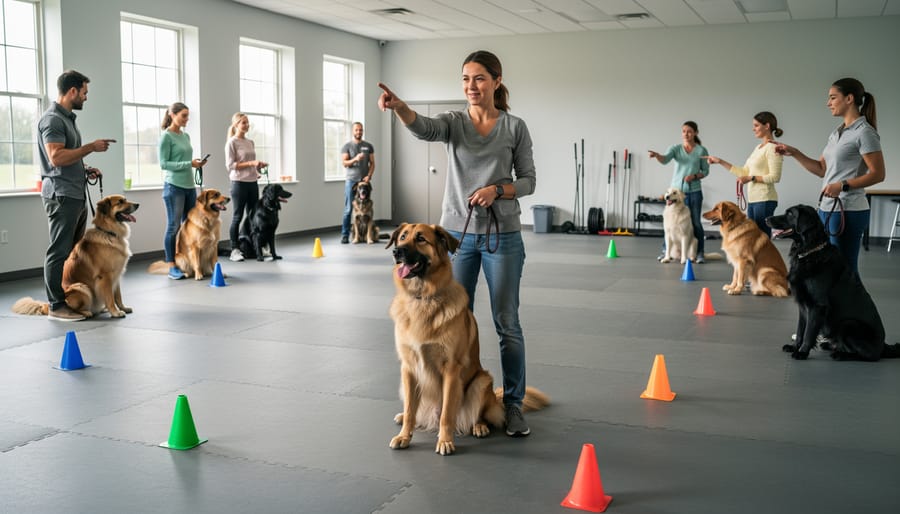
Group classes put your dog in a room with other dogs and owners, creating natural opportunities for socialization while an accredited trainer guides the whole group through exercises. This setup teaches your dog to focus and behave around distractions, which mirrors real-world situations at the park or on busy sidewalks. It’s particularly effective for basic obedience commands like sit, stay, and loose-leash walking.
The group format also keeps costs down compared to private sessions, making professional training accessible for more owners. Your dog learns by watching other dogs succeed, and you pick up handling techniques by observing how the trainer works with different breeds and temperaments.
Group classes work best for dogs who are already comfortable around other animals and people. If your dog shows signs of anxiety, fear, or aggression toward other dogs, starting with private training creates a safer foundation before introducing the group environment. Well-socialized puppies and adult dogs typically thrive in this structured, social setting where they master foundational skills alongside their peers.
Private Training Sessions
Private training sessions offer one-on-one attention that can transform difficult cases. Your dog gets the trainer’s complete focus for the entire session, which means faster progress on specific behavioral challenges. This format works exceptionally well for dogs dealing with anxiety, fear-based reactions, or aggression that would make group settings unsafe or overwhelming.
The customized approach lets trainers design programs around your dog’s exact needs rather than following a set curriculum. If your dog lunges at other dogs on walks, fears strangers, or shows resource guarding behavior, a trainer can address those specific triggers in a controlled environment. You’ll also learn handling techniques tailored to your dog’s personality and your household situation.
Scheduling flexibility gives private sessions a major practical advantage. Many trainers offer evening and weekend appointments, and some will come to your home where problem behaviors actually happen. PetSmart’s Brampton locations offer private classes alongside their group options, giving you certified trainers using positive reinforcement in a format that fits complicated schedules or special behavioral needs. The cost runs higher than group classes, but the concentrated attention often means fewer total sessions to reach your goals.

Virtual Dog Training
Virtual dog training offers a practical solution when your schedule or location makes regular in-person visits challenging. Through video sessions, your dog learns in their home environment while you receive real-time coaching from a certified trainer. This format works particularly well for basic obedience commands, leash manners, and addressing mild behavioral issues like jumping or excessive barking.
The main advantage is flexibility. You can book sessions around your work schedule without commuting, and your dog avoids the stress of unfamiliar locations. However, virtual training has clear limitations. It’s not suitable for dogs with serious aggression, severe anxiety, or those needing hands-on intervention. Socialization opportunities are absent, which matters for puppies and dogs learning to behave around other animals.
Virtual training succeeds when you’re committed to implementing the trainer’s guidance between sessions and your dog responds well to your handling. For dogs requiring direct physical corrections, distraction from other dogs, or intensive behavioral modification, in-person classes in Brampton remain the better choice. Consider virtual as a supplement to, rather than replacement for, structured group or private sessions when addressing complex training needs.
Certified Dog Training Options in Brampton: Your Local Recommendations
PetSmart Dog Training Brampton Locations
PetSmart operates two convenient Brampton locations offering certified dog training programs. The Steeles Avenue East location at 547 Steeles Ave. East (L6W 4S2) and the Quarry Edge Drive location at 76 Quarry Edge Drive (L6V 4K2) both provide access to accredited trainers who use positive reinforcement methods exclusively.
Both locations offer three training formats to suit different needs and schedules. Group classes provide structured learning environments where your dog can build obedience skills alongside other pets, with instruction from certified trainers. Private classes deliver one-on-one attention for dogs requiring customized approaches or working through specific behavioral challenges. Virtual dog training offers remote guidance for owners who need flexible scheduling or prefer training from home.
The Steeles Avenue East location operates Monday through Friday from 9am to 8pm, Saturdays from 9am to 8pm, and Sundays from 10am to 7pm. These extended hours accommodate most work schedules and weekend availability.
Before enrolling, contact your chosen location directly to discuss your dog’s specific needs, confirm current class availability, and verify scheduling details. Ask about the trainer’s experience with your dog’s breed or behavioral concerns, typical class sizes, and what equipment you’ll need to bring. PetSmart’s accredited trainers can help you determine which training format makes the most sense for your dog’s temperament and your training goals.
SHIELD K9 Training Services
SHIELD K9 provides specialized training services designed for Brampton residents and nearby communities. Their program lineup includes puppy classes that help young dogs build foundational skills and socialization, obedience training for dogs of all ages learning core commands and manners, and targeted behaviour training to address specific challenges like reactivity or anxiety. This range of offerings means you can find a program matched to your dog’s age and specific training needs, whether you’re starting with an eight-week-old puppy or working through established behavioral issues with an adult dog. SHIELD K9’s focus on serving the Brampton area makes them a convenient local choice for owners who want consistent, nearby training without lengthy commutes.
What to Ask Before You Book
Before committing to any training program, prepare a short list of questions to protect your investment and your dog’s wellbeing. Start by asking what certifications the trainer holds, look for credentials from recognized organizations, not just “years of experience.” Ask about their training philosophy and how they handle unwanted behaviors; if the answer includes shock collars, prong collars, or punishment, walk away.
Find out the typical class size, since smaller groups mean more individual attention and safer socialization. Request details about their safety protocols: how do they screen dogs for aggression or illness before class, and what happens if a dog becomes overwhelmed or reactive during a session? Ask if you can observe a class before enrolling to see the trainer’s style in action. Finally, clarify the refund or makeup policy if your dog gets sick or the training isn’t a good fit. These questions help you spot red flags early and choose a program where your dog will thrive, not just comply.
How Training Method Impacts Your Dog’s Health and Safety
The training method your dog experiences shapes far more than obedience; it directly affects their mental health, stress levels, and long-term behavioral wellbeing. Positive reinforcement training, rewarding desired behaviors with treats, praise, or play, builds confidence and trust between you and your dog. This approach reduces anxiety because your dog learns in a predictable, safe environment where they control the outcome by choosing the right behavior. Dogs trained this way show lower cortisol levels (the stress hormone) and stronger bonds with their owners.
Contrast that with punishment-based methods that rely on fear, pain, or intimidation. Research confirms that aversive methods raise welfare risks and can damage the dog-owner relationship. Harsh corrections teach dogs what not to do through fear, but they don’t teach what to do instead. This creates chronic stress, increases reactivity, and can trigger defensive aggression. A dog who learns through fear may comply in the moment but often develops anxiety, phobias, or redirected aggression over time.
Safety extends beyond the training session. A dog trained with positive methods is more resilient when facing new situations, less likely to react aggressively out of fear, and easier for veterinarians or groomers to handle. Mental enrichment tools like food-dispensing toys complement positive training by keeping your dog engaged and reducing boredom-related behavioral issues between sessions.
When choosing a trainer in Brampton, ask directly about their methods. Certified trainers using positive reinforcement prioritize your dog’s emotional health alongside skill-building, which leads to lasting behavioral change and a happier, safer dog. The training philosophy you select now shapes your dog’s quality of life for years ahead.
Common Mistakes to Avoid When Choosing Dog Training
Picking a dog training program without doing your homework can waste money and, worse, set back your dog’s progress or even harm their wellbeing. Many owners make decisions that seem practical in the moment but end up undermining the very goals they set out to achieve.
Here are the most common missteps that compromise training success and your dog’s safety:
- Choosing based on price alone, The cheapest option often means under-qualified trainers or outdated methods that can increase stress and behavioral problems rather than solve them.
- Ignoring trainer credentials, Not all trainers are certified or experienced; without proper qualifications, you risk exposing your dog to ineffective or harmful techniques.
- Skipping research on training methods, Punishment-based approaches can damage your dog’s trust and mental health, yet some programs still use them without clearly advertising that fact.
- Enrolling before assessing your dog’s readiness, Puppies under a certain age or dogs with severe anxiety may need specialized preparation before group classes; rushing in can overwhelm them.
- Not considering your dog’s individual needs and temperament, A high-energy adolescent dog has different requirements than a timid rescue; one-size-fits-all programs rarely deliver optimal results.
Another frequent error is failing to visit the training facility or meet the instructor beforehand. You need to see the class environment, confirm that safety protocols are in place, and gauge whether the trainer’s style matches your expectations. If a program discourages questions or won’t let you observe a session, that’s a red flag. Similarly, skipping a trial class when one is offered means you miss the chance to see how your dog responds before committing time and money. Taking these extra steps up front helps you avoid programs that look good on paper but fall short in practice.
Frequently Asked Questions About Dog Training in Brampton
How much does dog training cost in Brampton?
Group classes at providers like PetSmart typically range from $119 to $200 for a multi-week course, while private one-on-one sessions generally cost between $75 and $150 per hour depending on the trainer’s experience and your dog’s specific needs. Virtual training options often fall at the lower end of this range.
How do I know if a dog trainer is qualified?
Look for trainers certified through recognized organizations like the Certification Council for Professional Dog Trainers (CCPDT) or the International Association of Animal Behavior Consultants (IAABC). Ask directly about their credentials, training philosophy, and experience with your dog’s specific breed or behavioral challenges before booking.
When should I start training my puppy?
You can begin training as early as 8 weeks old once your puppy has received their first round of vaccinations. Early socialization and basic obedience training during the critical 8-16 week period helps prevent behavioral issues and builds a foundation for lifelong learning.
How long does dog training take to see results?
Most basic obedience courses run 6-8 weeks with noticeable improvement in simple commands within 2-3 weeks of consistent practice. Complex behavioral issues like aggression or severe anxiety may require 3-6 months of ongoing training, and remember that practice at home between sessions directly impacts how quickly your dog progresses.
What if my dog has anxiety or special behavioral needs?
Dogs with anxiety often benefit from private sessions where a trainer can develop a customized program without the stress of a group environment. Some owners also explore complementary approaches like CBD and pet anxiety management alongside training, though you should always discuss behavioral concerns with your vet first to rule out underlying health issues.
Can older dogs still be trained effectively?
Absolutely. While puppies may learn faster, adult and senior dogs can absolutely master new behaviors and unlearn problematic ones with patience and the right positive reinforcement approach. Older dogs often have better focus and impulse control than puppies, which can actually make certain aspects of training easier.
These questions reflect the real concerns Brampton dog owners face when researching training options. The cost question matters because budget constraints influence whether families choose group classes or invest in private sessions. Understanding trainer qualifications helps you avoid unqualified providers who might use outdated or harmful methods. Timing questions about puppy training and how long results take help set realistic expectations, so you don’t give up too soon or delay starting when early intervention would help most.
The answers here connect back to the key factors and training types covered earlier in this guide. Private sessions work best for anxiety cases, certified trainers use positive reinforcement methods that protect your dog’s mental health, and starting early with proper credentials prevents the mistakes that compromise both training success and your dog’s safety. Whether you’re booking at one of the PetSmart locations on Steeles Ave. East or Quarry Edge Drive, or exploring SHIELD K9’s behavior training programs, knowing these answers helps you ask the right questions and choose training that truly serves your dog’s wellbeing.
Choosing the right dog training class in Brampton means prioritizing your dog’s safety, health, and long-term behavioral success. The certified trainers at PetSmart’s two Brampton locations and SHIELD K9’s positive reinforcement programs give you reliable local options that focus on your dog’s wellbeing rather than outdated punishment methods. Remember, quality training isn’t just about teaching commands. It’s about reducing stress, preventing injuries, and building your dog’s confidence in a safe environment.
Before you book, verify trainer credentials, ask about class size and safety protocols, and choose a program that matches your dog’s temperament and your schedule. Whether you need group socialization for a puppy, private sessions for behavioral challenges, or virtual guidance for convenience, the right fit exists in Brampton. If you’re planning to bring your dog across the border, understanding travel requirements for dogs ensures smooth trips.
Take the first step today. Contact a certified trainer, ask the right questions, and invest in your dog’s future. Professional training built on positive methods pays dividends in safety, health, and the bond you share with your dog.