
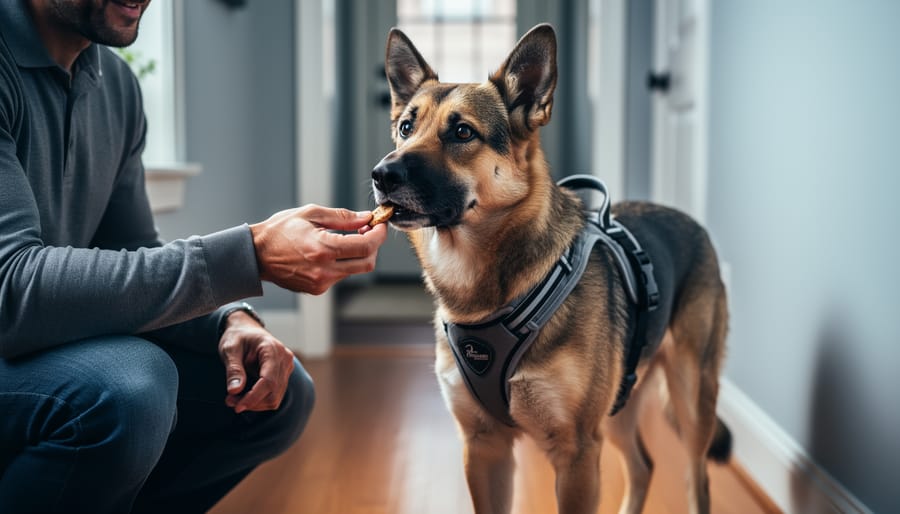
Training a fearful aggressive dog requires a calm, relationship-based approach that addresses the root cause: your dog isn’t mean, they’re scared. When dogs bark, lunge, snap, or bite out of fear, they’re trying to create distance from something they perceive as threatening. The solution isn’t punishment or dominance, which only deepens the fear. Instead, you’ll use gentle, science-backed methods that help your dog feel safe, build confidence, and learn new ways to respond when they’re worried.
Here in Ottawa, trainers like those at Hairy Tales specialize in helping nervous and fearful dogs come out of their shell using relationship-based training methods. Similarly, Yuching started K9 Learning specifically to help pet owners with fearful dogs find fun in training rather than frustration. These professionals understand what many dog owners discover the hard way: traditional “obedience” methods can backfire spectacularly with a fearful dog.
The good news? Most fearful aggressive behaviors can improve significantly with the right approach. You’ll learn to read your dog’s body language, manage their environment to prevent rehearsal of fear responses, and use positive reinforcement to teach calm, confident alternatives. Progress takes time, sometimes weeks or months depending on your dog’s history and triggers, but small wins add up. You’ll see your dog relax a little more each week, choose to move away instead of lunging, or look to you for reassurance instead of reacting.
This guide walks you through the exact steps, from creating a safe space to desensitization protocols, so you can help your dog feel secure again.
Understanding Fearful Aggression in Dogs
Fearful aggression looks different from territorial or possessive aggression because it’s entirely defensive. A fearful dog who snaps, lunges, or bites is saying “stay away from me” rather than “this is mine.” You’ll often see warning signs before the aggression: your dog might freeze, tuck their tail, show the whites of their eyes (called whale eye), pin their ears back, or try to back away. When they can’t escape and the scary thing keeps approaching, that’s when the bark, lunge, or snap happens. It’s a last resort, not a first choice.
The triggers vary by dog, but common ones include strangers approaching (especially reaching toward the dog’s head), unfamiliar dogs, sudden loud noises like trucks or fireworks, crowded spaces, and new environments. Some fearful dogs react to specific things based on past experiences: men with beards, people in hats, skateboards, or even just the vet’s office. The pattern is always the same: something makes your dog feel unsafe, they can’t get away, and aggression becomes their only tool to create distance.
Here’s why punishment-based methods backfire with fearful dogs: if your dog is already scared and you add a correction (a leash pop, a yell, a shock), you’ve just confirmed that the situation is dangerous. The fear intensifies. The dog might suppress the growl or the warning signs because they’ve learned those get punished, but the fear is still there, building. Eventually, you end up with a dog who goes straight to biting because you’ve trained away their early warnings. Punishment also damages the trust between you and your dog, making them more defensive, not less.
Understanding that your dog’s aggression comes from fear, not defiance, completely changes how you approach training. Instead of “correcting” the behavior, you’ll work to change how your dog feels about the trigger. That’s where relationship-based methods come in, helping fearful dogs like those worked with at Ottawa’s Hairy Tales and K9 Learning find safety and even enjoyment in situations that used to terrify them.
What You’ll Need Before You Start
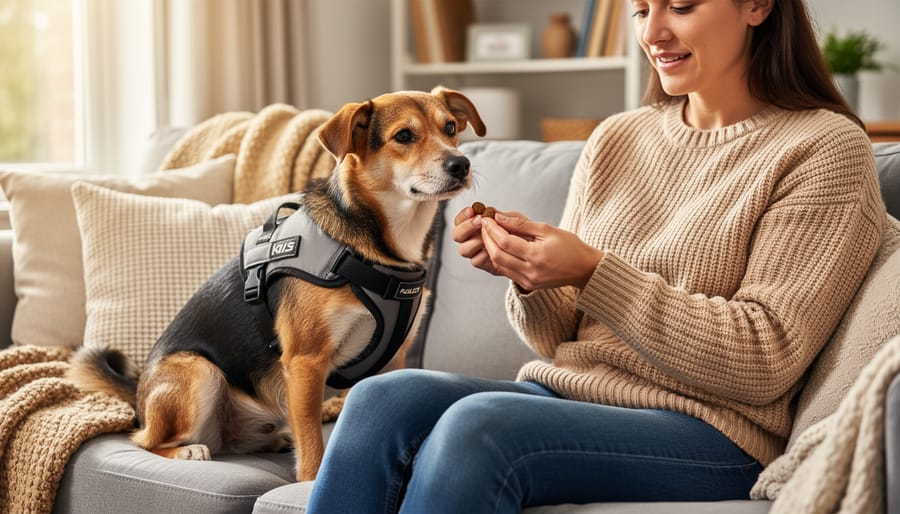
Before you begin working with a fearful aggressive dog, gathering the right tools and setting up your environment correctly makes a real difference in how safely and effectively training progresses. Equally important is your mental preparation, this process demands patience, consistency, and a willingness to move at your dog’s pace, not yours.
Here’s what you’ll need to have ready:
- High-value treats your dog finds irresistible (small, soft pieces of chicken, cheese, or freeze-dried liver work well for most dogs)
- A comfortable, well-fitted harness that distributes pressure across the chest rather than a collar that adds tension to the neck and can increase anxiety
- A six-foot leash for controlled practice sessions, avoiding retractable leashes that provide less control
- A designated safe space in your home where your dog can retreat without being disturbed, a quiet room, crate, or corner with familiar bedding
- Baby gates or exercise pens to manage your dog’s environment and prevent overwhelming encounters
- A notebook or phone app to track triggers, reactions, and progress over time
Beyond physical supplies, you’ll likely benefit from professional guidance. In Ottawa, trainers who specialize in relationship-based methods can provide crucial support when fear-based aggression is involved. Hairy Tales focuses on helping nervous dogs come out of their shell using relationship-based training approaches, while Yuching at K9 Learning started her business specifically to help pet owners with fearful dogs find fun in training rather than force.
If you’re working with a trainer remotely or seeking continuing education resources, webinars and Q&A sessions typically run about 1.5 hours and offer valuable insights into handling complex behavioral challenges. The right preparation, both practical and professional, sets you up to help your dog feel secure enough to learn.
Safety First: What to Watch For and When to Stop
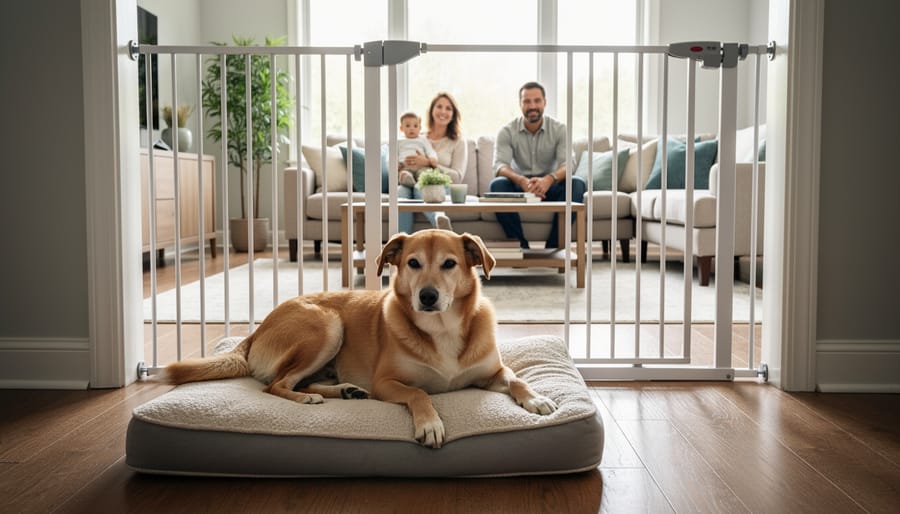
Working with a fearful aggressive dog demands constant vigilance and a commitment to safety over speed. Before you attempt any training, understand that your dog’s stress signals are their way of communicating they’re approaching a breaking point. Whale eye (when you can see the whites of their eyes as they track something), lip licking, yawning when not tired, freezing in place, or low rumbling growls all mean your dog is uncomfortable and needs more space right now. If you push past these warnings, you’re teaching your dog that their communication doesn’t work, which often leads to faster, more intense reactions like snapping or biting.
Management is your first line of defense while you work on training. Keep your dog on a leash in the house when visitors arrive or during situations where they might encounter triggers, even if they’re normally off-leash at home. Baby gates let you create buffer zones so your dog can retreat without being cornered, which is critical because a cornered fearful dog often feels they have no choice but to fight. Avoid overwhelming environments entirely until you’ve built a foundation of trust, skip crowded events, don’t drag your dog through busy areas on a tight leash, and steer clear of situations where dog park etiquette isn’t being followed and other dogs might rush yours.
Always give your dog an escape route. Never back them into a corner or trap them against a wall while trying to comfort or restrain them, because reducing their options increases the likelihood they’ll bite. If your dog is lunging toward a trigger, create distance first by calmly moving away, then assess whether they’re ready to continue or need a break. Training a fearful aggressive dog isn’t about pushing through discomfort, it’s about keeping everyone safe while you slowly expand your dog’s comfort zone at a pace they can handle.
Step-by-Step: Training Your Fearful Aggressive Dog
Step 1: Build Trust and Create a Safe Space
Your fearful aggressive dog can’t learn new behaviors when their nervous system is stuck in survival mode. Before you attempt any formal training, you need to create an environment where your dog feels genuinely safe, not just physically secure, but emotionally calm enough to start trusting you.
Start by setting up a quiet space in your home that becomes your dog’s predictable retreat: a corner with a comfortable bed, away from foot traffic and sudden noises. Feed meals in the same spot at consistent times each day. Walk the same routes. Keep your movements slow and deliberate around the house. This isn’t about control; it’s about building a rhythm your dog can rely on when everything else feels unpredictable.
Let your dog initiate interaction. Sit on the floor reading or scrolling your phone, treating beside you without making eye contact or reaching toward them. When they choose to approach, toss a treat a few feet away so they can take it and leave without pressure. You’re teaching them that being near you is rewarding and that they always have an exit.
Relationship-based training prioritizes how your dog feels over what they do. A fearful dog who sits on command but is trembling isn’t trained, they’re shut down. Your goal right now is a dog who voluntarily hangs out near you, explores their environment at their own pace, and shows relaxed body language: soft eyes, loose mouth, tail in a neutral position. That foundation makes everything else possible.
Step 2: Identify and Track Your Dog’s Triggers
Start a training journal before you do anything else. Grab a notebook or open a note app and commit to logging every reactive episode for at least a week. Write down what triggered your dog (a jogger, another dog, a delivery truck), how far away the trigger was when your dog first noticed it, and what your dog did, stiff body, bark, lunge, snap. Note the time of day and your dog’s state beforehand (tired, excited, hungry). Patterns will emerge fast. You might discover your dog tolerates strangers at thirty feet but melts down at fifteen, or reacts worse in the evening when overtired. This baseline is gold: it tells you where to start desensitization work and gives you objective proof when thresholds improve. Without it, you’re guessing, and progress feels invisible even when it’s happening.
Step 3: Practice Non-Aversive Desensitization Exercises
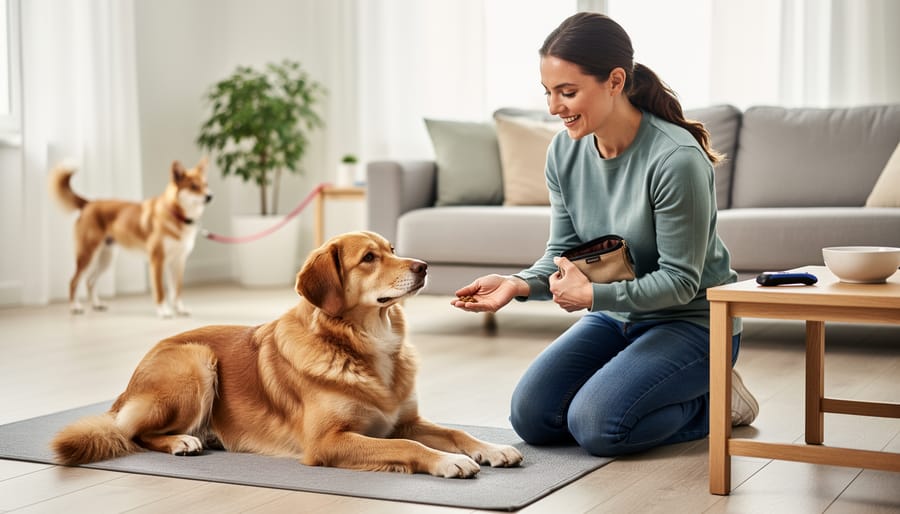
Desensitization works by changing your dog’s emotional response to triggers. The goal isn’t to force your dog to “get over it”, it’s to help them learn that the scary thing predicts something wonderful.
Start below threshold, the distance where your dog notices the trigger but stays calm. If your dog barks or lunges, you’re too close. At the right distance, your dog might glance at the trigger, then look back at you. That’s your sweet spot.
The moment your dog sees the trigger, deliver high-value treats, real chicken, cheese, hot dogs, whatever makes their eyes light up. Feed continuously while the trigger is visible. When the trigger disappears, the treats stop. You’re building a new association: scary thing equals good stuff.
Practice this at the same safe distance for several sessions. Your dog should start looking at the trigger, then immediately whipping their head toward you in anticipation of treats. That head turn signals progress.
Only then do you decrease distance by a few feet. Rush this step and you’ll trigger a reaction, setting back weeks of work. Some dogs need months at one distance before moving closer.
Never force your dog toward a trigger or let someone approach “to say hello.” Your dog controls the pace. If they pull backward or freeze, you’ve pushed too far, increase distance immediately.
Desensitization is slow, repetitive work. You might spend ten sessions at twenty feet from another dog before moving to eighteen feet. That’s normal. Fearful dogs need time to rewire years of learned fear responses.
Step 4: Teach Voluntary Opt-Out and Choice
Giving your dog an escape route transforms their emotional state. When a fearful dog knows they can leave a scary situation, they often stop needing to, the panic that fuels aggression fades because they no longer feel cornered.
Start by teaching a “retreat” cue or mat work. Place a mat or bed in a quiet spot and reward your dog every time they go there voluntarily. Use a marker word like “yes” the instant they step onto it, then toss a treat. Once they understand the mat is a safe zone, practice calling them to it when a mild trigger appears at a distance. They learn: “I can always go here instead of reacting.”
The “find it” game is another powerful tool. Scatter high-value treats on the ground and say “find it” to redirect your dog’s attention away from a trigger. This gives them something rewarding to do instead of fixating on what scares them, and it puts the choice in their paws.
Let your dog walk away during training sessions. If they turn their head, step back, or leave the area, don’t follow or force them to stay. That voluntary opt-out builds trust, they discover that you respect their boundaries, which makes them more willing to try again next time.
Step 5: Reinforce Calm Behavior Around Triggers
Once your dog can notice a trigger without immediately reacting, it’s time to actively reinforce the calm responses you want to see more often. Watch for any behavior that isn’t aggression: your dog glances at another dog and then looks back at you, sits quietly while a stranger walks past at a safe distance, or sniffs the ground instead of lunging. The instant you see these choices, mark them with a verbal “yes” and deliver a high-value treat.
You’re building a new association, triggers predict good things when your dog stays calm. Over many repetitions, your dog learns that staying relaxed around scary stimuli is more rewarding than reacting. Reward the smallest wins: a soft body instead of a stiff one, ears that flick back to you, even just not barking when they normally would.
Progress won’t be a straight line. Some days your dog will surprise you with calm confidence; other days a minor trigger will set off a reaction you thought was behind you. Setbacks are part of the process, not failure. Adjust distance, reduce difficulty, and keep rewarding the moments your dog chooses calm. Consistency and patience turn these small reinforced behaviors into a lasting emotional shift.
How to Know If It’s Working (and What to Do If You’re Stuck)
Real progress often sneaks up quietly. Your fearful dog won’t wake up one morning completely transformed, but you’ll notice small shifts that signal the training is taking hold. Track these changes over weeks and months, not days.
Watch for these indicators, roughly in the order they tend to appear:
- Your dog notices a trigger but doesn’t immediately react, they pause, look, and remain calm for a second or two before barking or lunging.
- The distance at which your dog reacts increases. If they used to bark at people 20 feet away, they can now handle 15 feet or even 10 feet without melting down.
- Recovery time shrinks. After a reaction, your dog bounces back faster, refocuses on you within seconds instead of staying vigilant and tense for minutes.
- Your dog offers alternative behaviors around triggers without prompting, sits, looks at you, sniffs the ground, showing they’re learning new coping strategies.
- They choose to engage in training even near mild triggers, taking treats and playing attention games in environments that once shut them down completely.
Be realistic about timelines. Meaningful change typically takes three to six months of consistent work, sometimes longer for dogs with deep-seated fear. Progress isn’t linear. You’ll have great weeks followed by setbacks after a scary encounter or environmental change.
If you’re stuck after two months of diligent training, or if reactions are intensifying instead of softening, it’s time for professional support. Ottawa trainers like those at Hairy Tales and K9 Learning specialize in fearful dogs and can spot subtle issues you might miss. Many offer webinars and Q&A sessions (typically 1.5 hours) that provide targeted guidance without a full program commitment.
For trainers themselves, professional continuing education like the hybrid online workshop in August 2026 offers advanced strategies for working with fear-based aggression cases. Meanwhile, you can gradually introduce your improving dog to safe fun places where they can practice new skills in low-pressure settings.
Common Questions About Fearful Aggressive Dog Training
How long does it take to train a fearful aggressive dog? Most owners see noticeable improvement in three to six months, but full rehabilitation often requires a year or more of consistent work. Progress depends on the severity of the fear, how long the behavior has been rehearsed, and how carefully you manage triggers during training. Some dogs show small wins within weeks, looking at a trigger without barking, for instance, while others need months before their threshold distance shrinks meaningfully.
Can an aggressive dog ever be trusted? A dog who has learned better coping skills through relationship-based training can become reliably safe in most situations, but “trust” doesn’t mean assuming the fear has vanished entirely. You’ll always need to respect your dog’s limits, read body language, and avoid putting them in situations that overwhelm their capacity to cope. Many formerly reactive dogs live full, happy lives and handle everyday environments calmly once their owners understand their triggers and manage them appropriately.
Should I use a muzzle during training?
A properly fitted basket muzzle is a smart safety tool that lets your dog pant, drink, and take treats while protecting others if your dog lunges. Muzzle training itself should be positive and gradual so your dog associates it with good things, not punishment.
What if my dog is aggressive toward family members?
Aggression directed at household members requires immediate professional help, since safety is critical and the dynamics are complex. A qualified trainer can assess whether the behavior stems from fear, resource guarding, or another root cause and design a management and training plan tailored to your home.
Is medication ever necessary for fearful dogs?
Yes, some dogs benefit from anti-anxiety medication prescribed by a veterinarian, especially when fear is so severe that they can’t learn or relax enough to engage in training. Medication doesn’t replace training but can lower the dog’s baseline anxiety enough to make behavior modification possible.
Do I need a professional trainer or can I do this myself?
You can make progress on your own if the aggression is mild and you follow a clear non-aversive protocol, but working with a trainer experienced in fearful dogs accelerates results and prevents mistakes that set you back. Ottawa specialists like those at Hairy Tales and K9 Learning focus on helping nervous dogs feel safe, which is exactly what fearful aggressive dogs need.
When deciding whether to choose a training class look for instructors with a training certification in fear and aggression work who emphasize choice and emotional well-being over obedience. Understanding the dog training cost upfront helps you budget for the private sessions often needed for fear cases, since group classes can overwhelm reactive dogs in the early stages.
Training a fearful aggressive dog isn’t about dominance or control. It’s about recognizing that your dog’s reactions come from genuine emotion, fear, not defiance, and giving them the tools to feel safe in a world that once felt threatening. The relationship-based methods outlined here prioritize your dog’s emotional well-being over quick fixes, and that’s exactly what creates lasting change.
Progress won’t happen overnight. You’ll have setbacks. Some days will feel like you’ve taken two steps backward. That’s normal. Celebrate the small wins: the moment your dog glances at a trigger and looks back at you instead of lunging, the walk where they stayed under threshold the entire time, the day they chose to retreat to their safe space instead of snapping. These moments matter more than you realize.
If you’re in Ottawa and feeling stuck, reach out to local experts who specialize in fearful dogs. Trainers at Hairy Tales use relationship-based methods to help nervous dogs come out of their shell, while Yuching at K9 Learning focuses on helping pet owners find fun in training, even with fearful dogs. Professional support makes a real difference when you’re navigating complex behavior.
Your dog isn’t broken. They’re scared. And with patience, the right approach, and a willingness to see the world through their eyes, you can help them discover that life doesn’t have to be so frightening. That transformation strengthens your bond in ways that go far beyond training.