
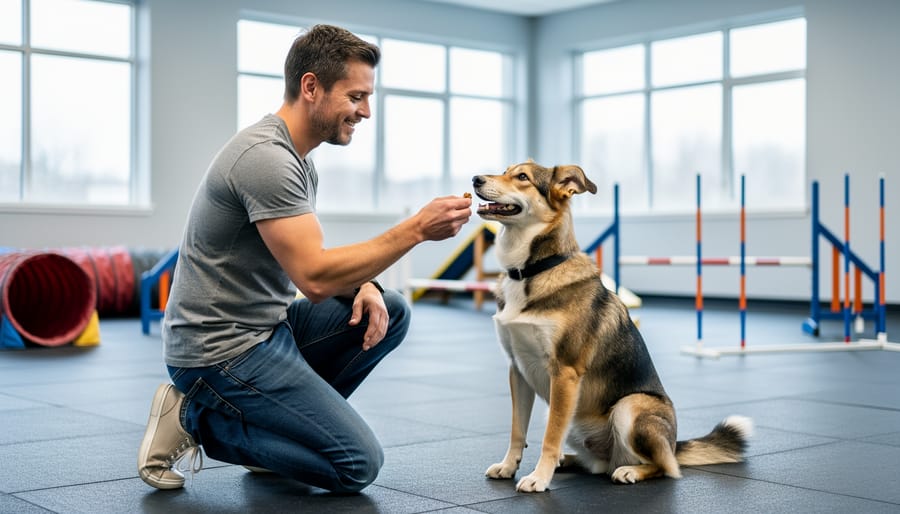
PetSmart dog training classes use positive reinforcement methods to teach dogs of all ages essential skills across three progressive levels: Puppy Training, Beginner Training, and Intermediate Training. Each program runs for six weeks and builds the foundation for a safer, more confident companion. If you’re an Ottawa dog owner looking for structured, professionally guided training, these classes offer a clear path from basic communication and socialization through to real-world behavior skills.
The real value goes beyond simple obedience. Training creates predictable responses that prevent common safety issues like leash pulling, jumping on strangers, or bolting out doors. A well-trained dog is easier to manage in busy Ottawa parks, during vet visits, and around other animals. PetSmart’s approach focuses on building communication between you and your dog rather than relying on corrections or intimidation, which means you’re teaching your pet to make good choices consistently.
Whether you’re starting with a new puppy or addressing behaviors in an older dog, the structured progression lets you build skills at the right pace. Puppy Training introduces foundational skills and critical early socialization. Beginner Training tackles common household challenges. Intermediate Training refines those behaviors for everyday situations you’ll actually face around the city. This step-by-step framework helps Ottawa pet owners develop the consistency and confidence needed to raise a dog who’s both well-mannered and safe.
Why Training Is Essential for Pet Safety
Training isn’t just about teaching your dog to sit on command, it’s a fundamental safety measure that can prevent injuries, reduce stress, and even save lives. The link between dog safety and training becomes clear when you consider the real-world situations every dog owner faces.
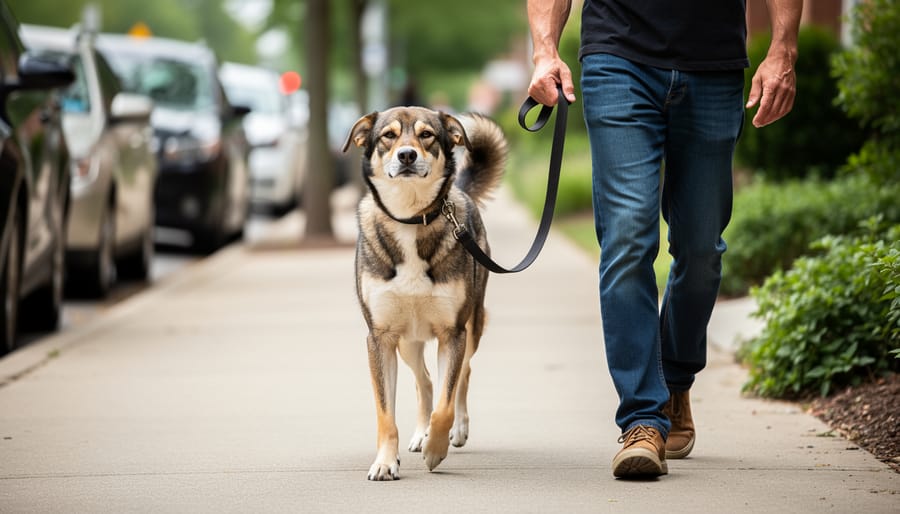
A dog who hasn’t learned reliable leash manners can lunge toward a squirrel and pull you into traffic, or yank hard enough to escape their collar in a busy parking lot. Proper training addresses these dangers by teaching your dog to walk calmly beside you, even when distractions appear. Similarly, a strong recall command, getting your dog to come when called, can be the difference between a close call and a tragedy if your dog slips out an open door or breaks away at the park.
Training also plays a crucial role in managing interactions with other dogs and people. A dog who hasn’t been socialized or taught appropriate greetings may display fear-based aggression, lunging or snapping when approached. This creates risk for everyone involved and can lead to bite incidents that might have been prevented through early, consistent training.
Beyond these obvious scenarios, training reduces anxiety-driven behaviors that compromise safety. Dogs who experience chronic stress may bolt unpredictably, destroy items that pose choking hazards, or injure themselves trying to escape. Teaching your dog to be calm and confident in various situations creates a more stable, predictable companion.
For responsible dog owners, training isn’t optional, it’s as essential as vaccinations and proper nutrition. By investing time in structured classes, you’re building the foundation for a safer, happier life together.
Understanding Positive Reinforcement Training Methods

Positive reinforcement training rewards desired behaviors rather than punishing unwanted ones. When your dog sits on command, they get a treat, praise, or a favorite toy. When they jump up, they simply don’t receive the reward. This approach teaches dogs what you want them to do, not just what to avoid, creating clear communication between you and your pet.
PetSmart built their entire training curriculum around this philosophy. In their classes, trainers guide owners to mark good behavior the moment it happens and immediately follow with something the dog values. The timing creates a clear cause-and-effect connection in the dog’s mind. Over repeated sessions, behaviors that earn rewards become habits, while behaviors that earn nothing fade away naturally.
This method is considered the safest training approach because it eliminates the risks associated with punishment-based techniques. Aversive methods like leash corrections, shock collars, or yelling can trigger fear, anxiety, and defensive aggression. A dog trained through fear may obey when stressed but becomes unpredictable in new situations or around unfamiliar people. They’re also more likely to shut down emotionally or develop behavioral problems that compromise safety.
Reward-based training produces the opposite effect. Dogs learn to think through problems and make good choices because those choices have consistently led to positive outcomes. A dog who comes when called because they associate the command with praise and treats will respond reliably even when distracted by another dog or an interesting smell. That reliability can prevent dangerous situations, from running into traffic to escalating conflicts with other animals.
The trust component matters just as much as the technical skills. When your dog understands that training sessions mean good things happen, they engage willingly and retain what they learn. This cooperative relationship translates directly to better control in high-stakes moments when safety depends on your dog’s immediate response to a command.
PetSmart Class Options for Every Stage
Puppy Training: Building a Safe Foundation
PetSmart’s 6-week Puppy Training class targets the critical socialization window when young dogs are most receptive to new experiences. The curriculum covers essential communication skills, teaching puppies to understand what you want before bad habits take root. You’ll work on name recognition, basic commands like sit and come, and proper leash manners that prevent pulling into dangerous situations later.
What sets this foundation class apart is its emphasis on controlled socialization with other puppies and people. Puppies who meet a variety of dogs, sounds, and environments during this early period learn that the world isn’t threatening. This exposure prevents the fear-based reactions that often escalate into aggression when dogs mature. A puppy comfortable around strangers and other animals becomes an adult dog you can safely take anywhere.
The class also addresses typical puppy challenges that create safety risks, mouthing, jumping on people, and lack of impulse control. Through positive reinforcement methods, puppies learn appropriate ways to interact without the anxiety that punishment-based training can create. Trainers guide you through reading your puppy’s body language and responding in ways that build confidence rather than fear.
By investing six weeks in proper puppy training, you’re establishing patterns that protect your dog throughout their life. Dogs who trust their environment and understand clear communication rarely bolt through open doors or react defensively to perceived threats.
Beginner Training: Addressing Common Safety Concerns
Beginner Training picks up where Puppy Training leaves off, but it’s also the right starting point for adult dogs who’ve never had formal instruction. This 6-week class tackles the behavioral issues that create the most safety headaches for dog owners: pulling on leash, jumping on people, and ignoring the recall command.
Pulling presents an obvious hazard. A dog who lunges after a squirrel or another dog can yank you into traffic, knock over a child, or cause you to lose your grip entirely. The class teaches loose-leash walking through positive reinforcement, rewarding your dog for staying beside you rather than fighting against tension on the collar.
Jumping might seem like an enthusiasm problem, but it’s a genuine risk around elderly visitors, young children, or anyone carrying hot drinks or groceries. You’ll learn how to redirect this energy into calm greetings, which makes everyone safer when people come to your door.
Not coming when called is the most dangerous gap in any dog’s training. Whether your dog slips out an open door or pulls free at the park, a reliable recall can prevent tragedy. Beginner Training builds this command systematically, using rewards to make returning to you the most appealing choice your dog can make, even with distractions present.
Intermediate Training: Real-World Safety Skills
PetSmart’s Intermediate Training class builds on the basics your dog has already learned and applies them where it matters most, out in the real world. This 6-week program is designed for dogs who’ve mastered foundational commands at home but struggle when faced with distractions like squirrels darting across the path, other dogs approaching on the sidewalk, or the chaos of a busy farmers market. It’s one thing for your dog to sit on command in your quiet living room; it’s another for them to hold that position while a cyclist speeds past or a child runs by shouting.
The class reinforces previously learned behaviors, sit, stay, come, loose-leash walking, while deliberately introducing variables that mirror daily life. Trainers use positive reinforcement techniques to teach your dog to respond reliably even when their environment isn’t calm and controlled. You’ll practice recall when your dog is excited or distracted, work on impulse control around temptations, and learn how to redirect attention back to you during unexpected situations. These aren’t just obedience drills; they’re safety protocols that could prevent your dog from bolting into traffic, reacting aggressively out of fear, or getting lost because they ignored your call.
For Ottawa dog owners who walk their dogs in ByWard Market, along the Rideau Canal, or through neighborhood parks, this training creates the confidence and control needed to navigate unpredictable public spaces safely.
What to Expect in a PetSmart Training Class
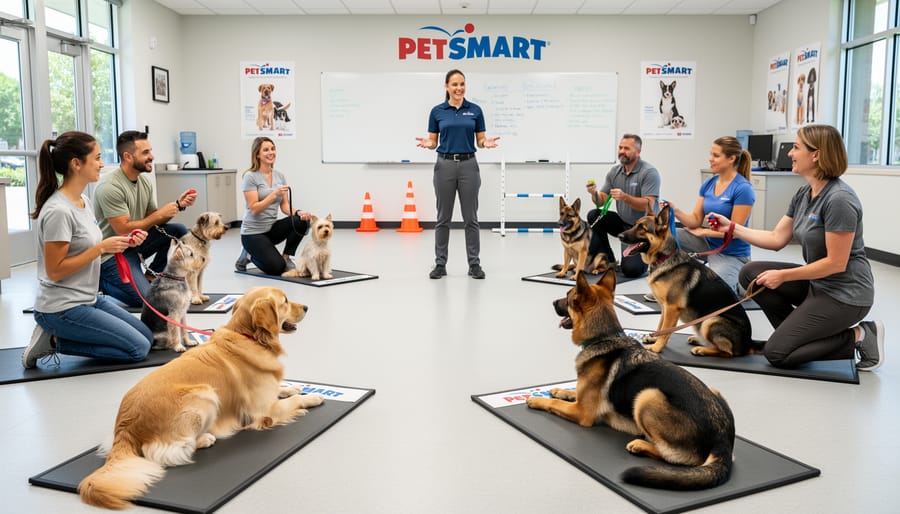
Walking into your first PetSmart training class, you’ll find a structured environment designed to set both you and your dog up for success. Classes typically run for six weeks, with one session per week lasting about an hour. The training space is arranged to minimize distractions while still preparing dogs for real-world situations, not unlike how dog daycare safety protocols balance socialization with controlled environments.
Each session follows a consistent pattern. The trainer begins with a brief introduction covering the week’s focus skills, then demonstrates the behavior you’ll be teaching. You’ll practice with your dog while the trainer circulates, offering hands-on guidance and corrections to your technique. This isn’t a drop-off service, you’re the one doing the training, with professional support to ensure you’re using positive reinforcement correctly.
The reward-based approach means you’ll bring high-value treats your dog loves. When your dog offers the desired behavior, you mark it immediately with praise and a treat. Timing matters enormously here, and trainers help you sharpen that skill so your dog makes clear connections between action and reward.
Between sessions, expect daily homework. Five to ten minutes of practice each day reinforces what you learned in class and prevents backsliding. Trainers provide specific exercises to work on, and consistency at home determines how quickly your dog masters safety-critical skills like recall or loose-leash walking.
The group setting offers another benefit: controlled exposure to other dogs and people. Your dog learns to focus on you despite distractions, building the impulse control needed for safe behavior in parks, on sidewalks, and during vet visits.
Common Questions About PetSmart Dog Training
If you’re considering enrolling your dog in a PetSmart training program, you likely have questions about how classes work and whether they’re right for your pet. Here are answers to the most common concerns Ottawa dog owners raise when researching training options.
What should I bring to my first class?
You’ll need your dog’s vaccination records, a standard leash, a flat collar or harness, and small, soft training treats your dog loves. Avoid retractable leashes, as they don’t provide the control needed for training exercises.
How do I know which class level is right for my dog?
Puppies under 6 months start with Puppy Training, while older dogs new to formal training begin with Beginner Training. If your dog already knows basic commands but struggles with distractions, Intermediate Training builds those real-world skills.
Will training work for all breeds and temperaments?
Positive reinforcement methods are effective across all breeds, sizes, and personalities. Every dog learns at their own pace, and the structured progression through class levels accommodates different learning speeds and challenges.
How long before I see results?
Most owners notice improvement in basic behaviors within 2-3 weeks, but lasting change requires consistent practice at home between sessions. The full 6-week class allows time for behaviors to become reliable habits.
When you’re ready to choose the right class for your dog, consider their age, current skill level, and specific behavioral challenges. Younger dogs benefit from early socialization in Puppy Training, while adult dogs with no prior training should start with fundamentals in Beginner classes. If you’re planning to bring your dog to Canada from another country, enrolling them in training classes soon after arrival helps them adjust to their new environment while building essential safety skills.
Remember that success depends heavily on practicing between weekly sessions. Training isn’t something that only happens in class, it’s a daily commitment that transforms how you and your dog communicate, creating safer interactions in every situation you’ll encounter together.
Investing in structured dog training isn’t just about teaching commands, it’s about creating a safer, happier life for your dog and everyone around them. PetSmart’s positive reinforcement classes give you the tools to prevent dangerous situations, reduce stress for your pet, and build the kind of confident, well-mannered companion every dog owner hopes for. Whether you’re starting with a puppy or addressing behaviors in an adult dog, these six-week programs provide expert guidance that complements the other aspects of responsible pet ownership.
For Ottawa dog owners committed to comprehensive care, training deserves the same priority as regular vet visits, proper nutrition, and grooming. A well-trained dog is safer at home, in public spaces, and during emergencies. They’re less likely to bolt into traffic, react aggressively out of fear, or create chaos that puts themselves or others at risk. The skills your dog learns in class become protective habits that last a lifetime, making every walk, park visit, and family gathering more enjoyable and secure for everyone involved.