
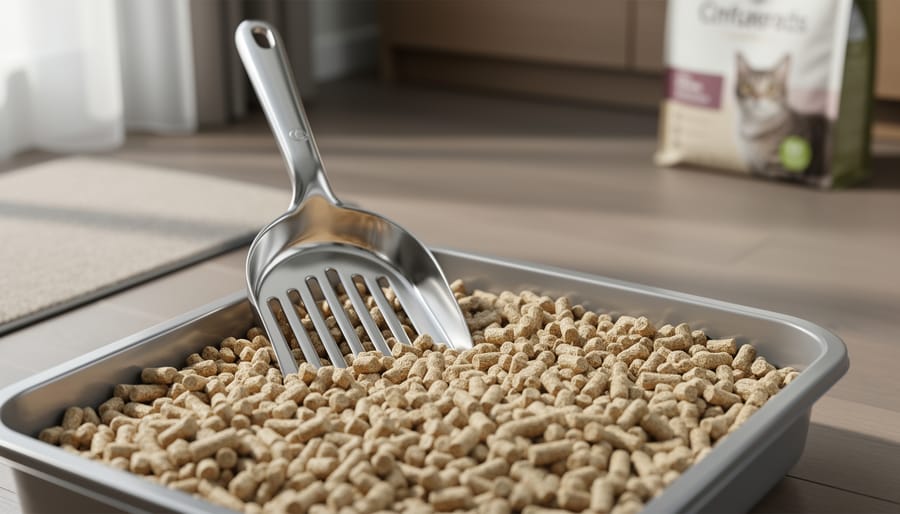
Recycled paper cat litter is exactly what it sounds like: litter made from reclaimed newspapers and magazines, processed into absorbent pellets or granules that manage odor and moisture while keeping landfills a little lighter. If you’re an Ottawa pet owner juggling both dogs and cats, or you’re simply curious about what makes this eco-friendly option different from traditional clay, you’re looking at a product that’s gained serious traction for its low dust, lightweight handling, and surprisingly effective performance in multi-pet homes.
The appeal goes beyond the environmental angle. Recycled paper litter is softer on sensitive paws, which matters if you have declawed cats or kittens. It’s also naturally low-tracking, so you’ll spend less time sweeping pellets off your hardwood. In Canada, brands like Fresh News (made from 100% recycled paper) and Special Kitty (98.5% recycled newspapers and magazines) are widely available, with pricing that ranges from budget-friendly options at around $12.58 for 5.44 kg at Walmart Canada to premium picks like Cat Love Daily Scoops at roughly $23 to $28 depending on the retailer.
What you need to know before switching is how absorption, odor control, and disposal compare to what you’re used to. Not every recycled paper litter performs the same, and understanding the trade-offs will help you choose the right fit for your household. This guide walks you through the practical benefits, real-world pricing, and where to buy in Canada, so you can make an informed decision without wading through marketing fluff.
What Makes Recycled Paper Cat Litter Different
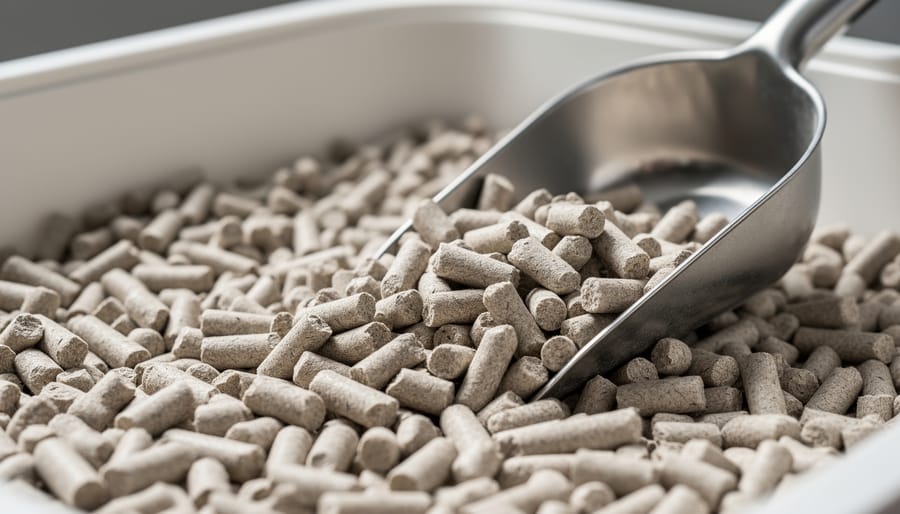
Recycled paper cat litter transforms discarded newspapers and magazines into an alternative to traditional clay-based products. The manufacturing process starts with collecting post-consumer paper waste, which is then pulped, sanitized at high temperatures to eliminate pathogens and inks, and formed into absorbent pellets or granules. This approach diverts paper from landfills while creating a functional pet care product.
Unlike conventional clay litter, which requires strip-mining bentonite deposits, recycled paper options use materials that have already served their initial purpose. The manufacturing steps typically include shredding the collected paper, treating it to remove contaminants, and processing it into shapes designed for absorption and odor control. The result is a lightweight product that looks nothing like traditional litter. Instead of sandy clay particles, you’ll find soft pellets or smaller pieces that feel gentle to the touch.
What truly sets recycled paper litter apart is its production footprint. Clay litters involve extracting non-renewable resources and often contain silica dust, a respiratory irritant. Natural alternatives like wood or corn have their own sustainability profiles, but recycled paper specifically addresses the waste stream problem by repurposing material that already exists. Products like Daily Scoops and Special Kitty are made exclusively from this recycled content, turning yesterday’s news into today’s litter box solution.
The environmental angle resonates with many pet owners, but the practical differences matter just as much. The paper-based material weighs considerably less than clay, which means easier handling and transport. The manufacturing process eliminates the dust issues common with traditional litters, making it a fundamentally different experience from the moment you open the package.
The Real Benefits (Beyond Being Eco-Friendly)
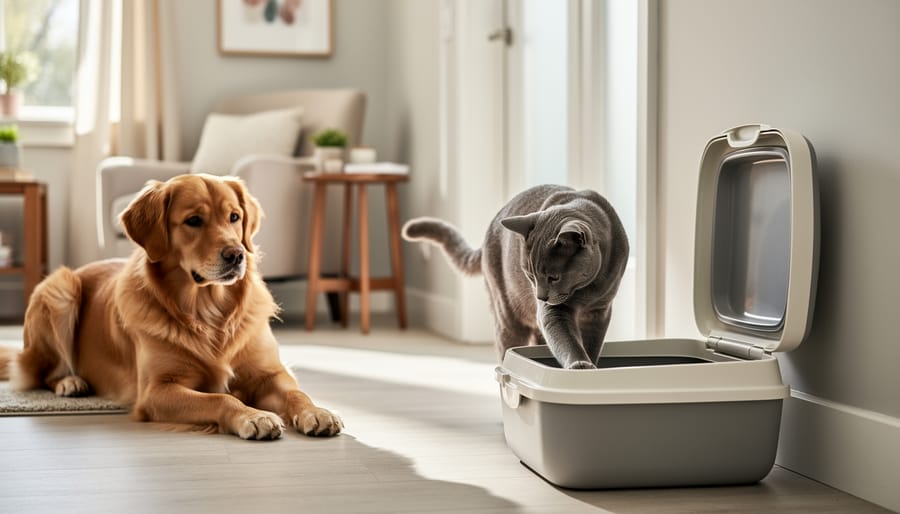
Sure, the environmental angle sounds great, but what about the stuff that matters when you’re scooping litter at 6 a.m. before walking the dogs? Recycled paper litter delivers practical benefits that make daily life easier, whether you’re managing a cat-only home or juggling litter boxes alongside dog beds and food bowls.
Start with weight. Recycled paper litter is noticeably lighter than traditional clay products. A 5 kg bag feels manageable when you’re hauling it up apartment stairs or loading it into your car at the grocery store. For pet owners dealing with mobility issues or anyone who’d rather not wrestle heavy bags, this alone changes the shopping experience.
The dust-free quality matters more than you might think. Clay litters create clouds of fine particles every time you pour or scoop, settling on nearby surfaces and aggravating respiratory issues in both cats and humans. Paper litter produces virtually no dust, which helps cats with asthma or allergies and keeps the area around the litter box cleaner. You’ll notice the difference immediately if you’ve been dealing with dusty paw prints tracked throughout the house.
For multi-pet households, here’s a big one: recycled paper litter is safer if your dog decides to investigate the litter box. Dogs eating clay litter can face digestive blockages, but paper litter poses far less risk if consumed in small amounts. It’s not meant to be eaten, obviously, but accidents happen in homes with curious dogs.
Odor control varies by brand, but many paper litters absorb moisture effectively without added chemical fragrances. They work by trapping liquids within the paper fibers rather than masking smells with perfumes. Some cat owners find this gentler approach actually controls odors better than scented clay options, especially in smaller spaces.
The soft texture is easier on sensitive paws, particularly for senior cats, declawed cats, or kittens. Paper pellets compress slightly underfoot rather than creating the hard, gritty surface of clay.
What to Expect: Performance and Maintenance
Recycled paper litter handles daily use differently than clay, and knowing what to expect helps avoid surprises. Most recycled paper options are non-clumping, which means they absorb liquid without forming solid masses you can scoop out. The entire litter box needs changing every week to ten days, depending on how many cats you have. Non-clumping varieties work well for disposable cat litter box setups or multi-pet homes where simplicity matters more than partial removal.
Some brands do offer clumping recycled paper formulas. These make daily maintenance easier since you can remove soiled sections and extend the time between full changes. The trade-off? Clumping paper litter costs more and the clumps aren’t as firm as clay, sometimes breaking apart during scooping. If you’re weighing your options, the clumping vs non-clumping decision comes down to your tolerance for frequent full changes versus spending extra for daily spot-cleaning.
Absorption is solid but slower than clay. Paper pellets soak up moisture throughout their structure rather than instantly on contact, so you might notice dampness at the bottom of the box before the pellets fully saturate. This doesn’t mean they’re failing, just working differently. Odor control is respectable for the first few days, then declines as saturation increases.
Tracking is minimal compared to fine-grain litters. The larger pellet size means less sticks to paws, though you’ll still find a few stragglers near the box. Lightweight formulas make cleaning a litter box physically easier, especially if you’re dealing with large boxes or mobility issues.
When transitioning, mix recycled paper with your current litter at a 25/75 ratio for three days, then 50/50, gradually increasing until your cat adjusts. Some cats take to it immediately. Others need a week to accept the different texture underfoot.
Finding Recycled Paper Cat Litter in Ottawa and Canada
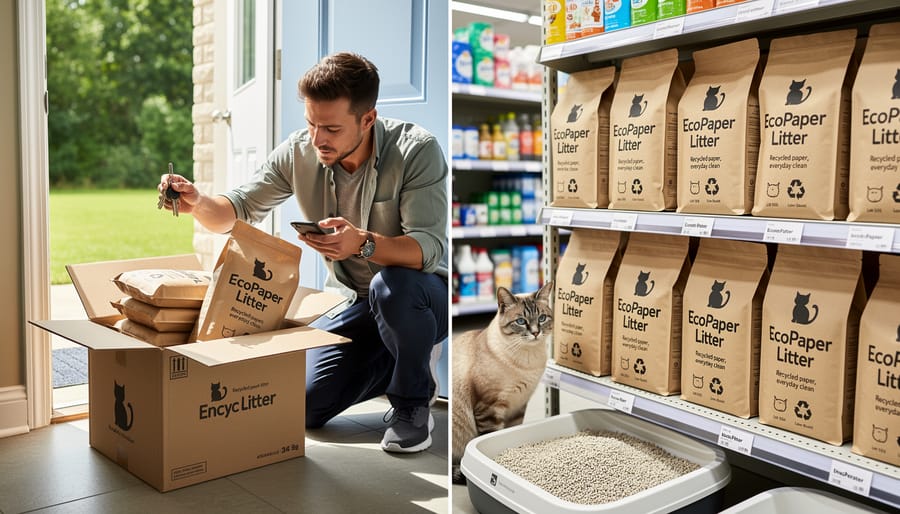
Ottawa pet owners have several convenient options for purchasing recycled paper cat litter, both through major national chains and local specialty retailers.
National Retailers
Walmart Canada carries the Special Kitty Recycled Paper Cat Litter, priced at $12.58 for a 5.44 kg package. Made from 98.5% recycled newspapers and magazines, this budget-friendly option provides an accessible entry point for pet owners wanting to try recycled paper litter without a significant investment.
Costco Canada stocks Daily Scoops recycled paper cat litter, marketed as a lightweight formula made exclusively from recycled paper. While pricing varies by location and membership tier, Costco typically offers competitive bulk pricing that works well for multi-pet households going through litter quickly.
Local Pet Specialty Stores
Ottawa’s pet specialty retailers, including Homes Alive Pet Centre locations, carry premium options like Cat Love Daily Scoops Recycled Paper Litter at $27.99. Shopping locally gives you the advantage of personalized advice from staff familiar with different brands and the ability to ask questions before committing to a purchase.
Online retailers like list the same Cat Love Daily Scoops product with regular pricing around $22.98 to $26.77, making it easy to compare and have products delivered directly to your door.
| Brand | Package Size | Price (CAD) | Where to Find |
|---|---|---|---|
| Special Kitty | 5.44 kg | $12.58 | Walmart Canada |
| Cat Love Daily Scoops | Varies | $22.98, $27.99 | Homes Alive |
| Daily Scoops | Varies | Varies | Costco Canada |
| Fresh News | Varies | Check retailer | Select pet stores |
Fresh News, another brand made from 100% recycled paper, appears at various Canadian pet retailers, though availability can fluctuate. Calling ahead to confirm stock saves you a trip, especially if you’re seeking a specific brand your cat has already accepted.
The price range reflects quality differences and package sizes, but even premium recycled paper litters often prove cost-effective when you factor in lighter weight (easier to carry from the car) and reduced dust cleanup around the litter box area.
Is Recycled Paper Litter Right for Your Household?
Recycled paper litter works beautifully for specific situations, but it’s not universal.
If you share your home with both cats and dogs, this litter type offers a safety advantage. Dogs investigating the litter box won’t face the same risks they might with clumping clay or silica varieties. The lightweight formula also makes daily maintenance easier, particularly if you’re managing multiple litter boxes across different floors.
Cats with asthma, allergies, or respiratory sensitivities often show noticeable improvement when switched to dust-free recycled paper options. The same applies to households where human family members have dust allergies. You’ll eliminate the fine particulate matter that traditional clay litter releases during scooping and digging.
Budget matters here. At around $12 to $28 for packages ranging from 5 to 7 kilograms in Canadian stores, recycled paper litter typically costs more per kilogram than conventional clay. If you’re running a tight household budget or managing several cats, this price difference adds up quickly over months.
Some cats simply refuse the change. The texture feels different under their paws, and certain cats won’t adjust despite gradual transitions. If your cat consistently avoids the box after a two-week introduction period, respect their preference rather than forcing the issue.
Availability can be inconsistent at smaller retailers, though major chains like Walmart Canada and Costco Canada stock reliable options. Ottawa pet owners with access to specialty stores like Homes Alive Pet Centre will find more variety, but rural households might struggle with regular supply.
The right choice depends on balancing your cat’s acceptance, your household needs, and your budget realities.
Expert Tips for Making the Switch
Switching litter types can stress even the most easygoing cat, so take it slow. Start by mixing a small amount of recycled paper litter with your current litter, gradually increasing the ratio over 7 to 10 days. This gives your cat time to adjust to the new texture and scent without rejecting the box entirely.
Watch your cat’s bathroom habits closely during the transition. If they suddenly start eliminating outside the box, slow down the switch or add more of the old litter back into the mix. Some cats adapt within days, while others need a few weeks to feel comfortable with the change.
Keep the litter box in the same location throughout the transition. Changing both the litter type and the box location at once creates unnecessary confusion. Make sure you’re maintaining your regular deep cleaning schedule so your cat associates the new litter with a fresh, familiar space.
If your cat seems hesitant, try placing a second litter box filled entirely with the recycled paper option nearby. This lets them choose which they prefer while adjusting. Most cats will eventually gravitate toward the softer, dust-free paper litter once they realize it’s gentler on their paws.
For multi-pet households, keep dogs away from the litter box during the first week. The new litter might spark extra curiosity, and you want your cat to feel safe exploring the change.
Choosing recycled paper cat litter represents more than an environmental decision, it’s a practical step toward healthier, easier pet care for multi-pet households. Ottawa families juggling dogs and cats can appreciate the reduced dust, lighter weight, and safer composition when curious canines investigate the litter box. The options now available across Canadian retailers make this eco-friendly choice accessible without premium pricing.
As sustainable pet products continue gaining traction, recycled paper litter fits naturally into a broader commitment to responsible pet ownership. Whether you’re managing multiple pets, fostering animals, or simply looking for gentler alternatives, this category deserves consideration. Explore other eco-friendly solutions for your pets, from biodegradable waste bags to sustainable toys, and discover how small changes create meaningful impact for your household and the environment.